Could 2026 See India’s Worst Monsoon Since 2015? IMD Warns of 60% Chance of Below-Normal Rainfall
Could 2026 See India's Worst Monsoon Since 2015? IMD Warns of 60% Chance of Below-Normal Rainfall
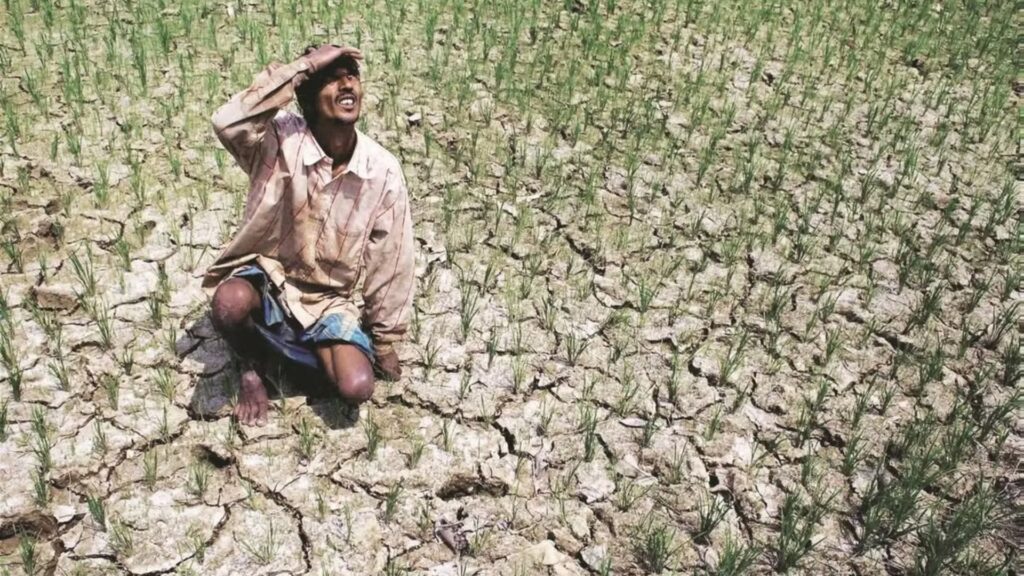
May 30: According to the India Meteorological Department (IMD), India could witness its weakest monsoon in more than a decade. The probability of a deficient southwest monsoon in 2026 has risen sharply to 60 per cent. This could be the country’s driest monsoon season since 2015 and could have significant implications for agriculture, water resources, and inflation.
A deficient monsoon is defined as seasonal rainfall falling below 90 per cent of the normal benchmark. According to the India Meteorological Department’s (IMD) latest long-range forecast, the southwest monsoon, which provides nearly 70% of India’s annual rainfall, is expected to bring only about 90% of normal rainfall in 2026.
The forecast comes after two years of good rainfall in 2024 and 2025, which helped fill reservoirs and supported strong crop production. However, weather experts are now concerned because of the development of El Niño, a climate phenomenon in the Pacific Ocean.

What is El Niño ?
El Niño occurs when ocean waters in the central and eastern Pacific become warmer than usual. This change can affect weather patterns around the world. In India, El Niño is often linked to weaker monsoon rains because it reduces the flow of moisture-rich winds that bring rainfall to the country.
The IMD said that the Pacific Ocean is currently moving from neutral conditions toward El Niño. Climate models suggest that El Niño could become stronger during the monsoon season. In the past, around 60% of El Niño years have seen below-average rainfall in India.
Experts are worried because the chance of a deficient monsoon has increased to 60%, much higher than the historical average of 16%.
Areas Most Likely to be Affected-
Central India, South India, and Northwest India are expected to receive below-normal rainfall. The Northeast is the only major region likely to receive near-normal rainfall. The significant concern is the Monsoon Core Zone, which stretches from Gujarat to Odisha and includes much of India’s rain-fed farmland. A rainfall shortage in this region could affect agricultural production.
Impact on Agriculture and Economy-
A weak monsoon could create problems for farmers, especially those growing crops such as paddy, maize, and pulses that depend heavily on rain.
Lower rainfall may reduce crop yields and affect farmers’ incomes. Poor harvests can also lead to higher food prices. Since food forms a large part of household spending, this could increase inflation and put pressure on consumers.
Despite the warning signs, experts say El Niño does not always lead to drought. In several past El Niño years, India still received normal or even above-normal rainfall because of other weather factors.
The IMD will continue to monitor the situation and release updated forecasts as the monsoon season progresses.