How Often Should You Replace Your Toothbrush? Dentists Share the Ideal Timeline
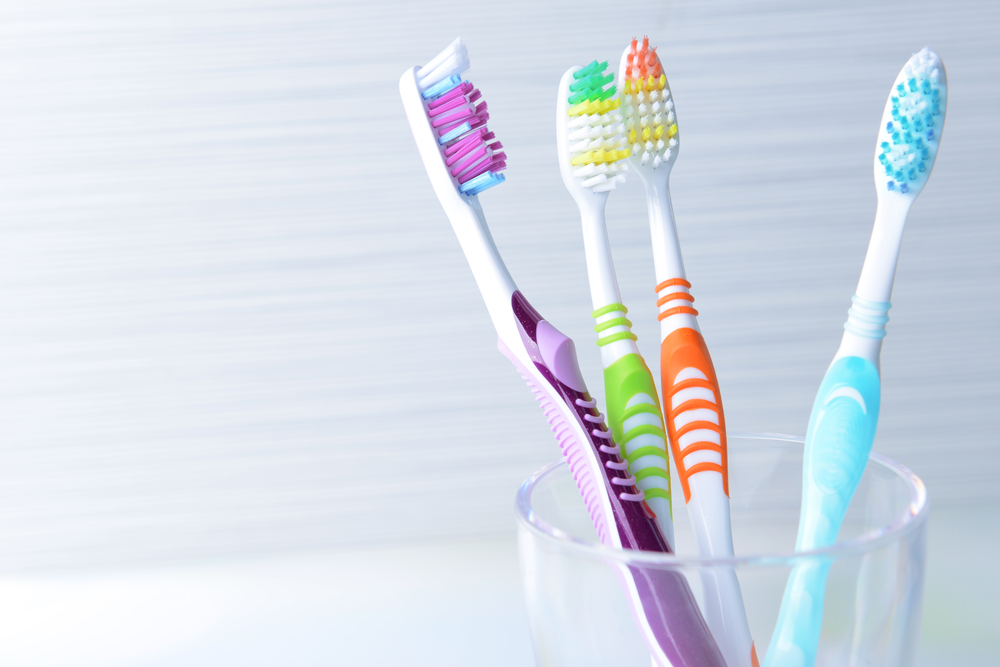
How Often Should You Replace Your Toothbrush? Dentists Share the Ideal Timeline
Using the same toothbrush for too long can affect your oral health. Here’s why dentists recommend changing it regularly.
Many people continue using the same toothbrush until its bristles are completely worn out. However, dental experts say this habit can negatively impact your teeth and gums.
A toothbrush is more than just a tool for cleaning teeth—it plays an important role in maintaining overall oral hygiene. Over time, toothbrush bristles become weak and less effective at removing plaque and food particles. Additionally, bacteria can accumulate on the brush, increasing the risk of oral health problems.
According to dentists, a toothbrush should ideally be replaced every 3 to 4 months. If the bristles become frayed, bent, or spread out before that, it should be changed sooner.

Risks of Using an Old Toothbrush
1. Increased Bacterial Growth
A damp toothbrush can become a breeding ground for bacteria and germs, raising the risk of infections in the mouth.
2. Ineffective Cleaning
Worn-out bristles cannot reach all areas of the teeth properly, allowing plaque and food debris to build up.
3. Gum Problems
Old or damaged bristles may irritate the gums, leading to swelling, pain, or even bleeding.
4. Bad Breath
Bacteria trapped in an old toothbrush can contribute to unpleasant mouth odour instead of keeping your mouth fresh.
Replacing your toothbrush on time is a simple step that can help keep your teeth clean, your gums healthy, and your breath fresh.