Maharashtra’s Glowing Forest: The Rare Monsoon Wonder Hidden Near Pune
Maharashtra’s Glowing Forest: The Rare Monsoon Wonder Hidden Near Pune
Deep inside the Bhimashankar Wildlife Sanctuary, a fascinating natural phenomenon lights up parts of the forest during the monsoon, creating one of Maharashtra’s most unusual and lesser-known attractions.
Nestled in the northern stretch of the Western Ghats, Bhimashankar Wildlife Sanctuary is known for its rich biodiversity, dense forests and the famous Bhimashankar Jyotirlinga. But during the monsoon season, the sanctuary reveals a hidden spectacle that has earned it the reputation of being Maharashtra’s mysterious glowing forest.
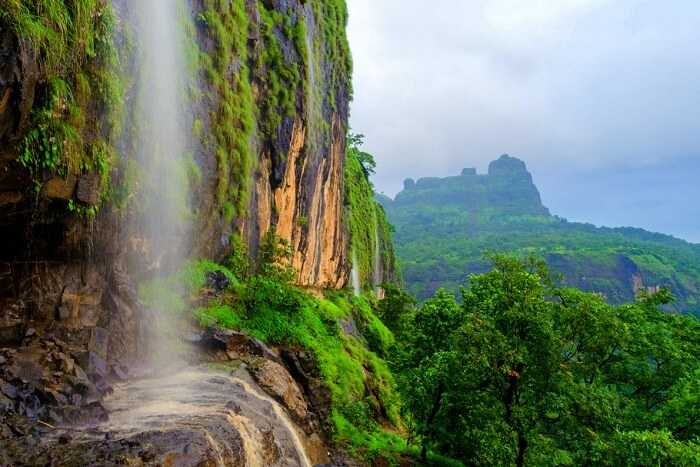
Spread across parts of Pune, Thane and Raigad districts, the sanctuary covers around 131 square kilometres and was declared a protected wildlife sanctuary in 1985. It is also the origin point of the Bhima and Ghod rivers, two important tributaries of the Krishna River.

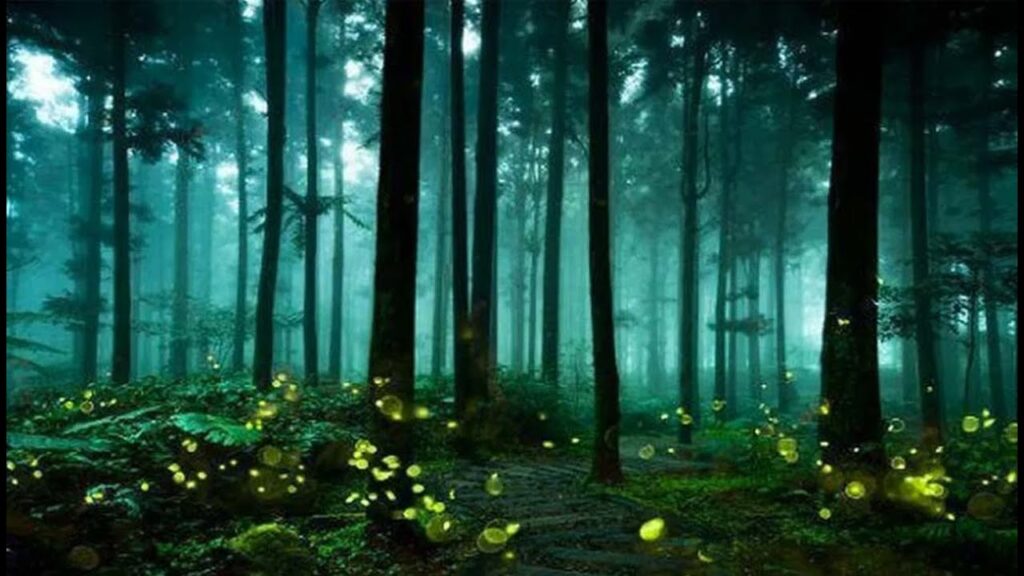
What makes the sanctuary particularly fascinating is a rare natural phenomenon known as bioluminescence. During the peak monsoon months of July, August and September, parts of the forest can appear to glow softly in the dark after periods of heavy rainfall.

The glowing effect is caused by Mycena fungi, tiny organisms that grow on decaying wood, tree trunks, fallen branches and forest debris. These fungi emit a faint greenish-blue light at night, creating an almost magical atmosphere in the forest. The phenomenon is uncommon and depends on favourable moisture and weather conditions, making sightings relatively rare.
Nestled in the lush Western Ghats of Maharashtra, Bhimashankar Wildlife Sanctuary is a remarkable blend of natural beauty, rich biodiversity, and spiritual heritage. Home to the sacred Bhimashankar Jyotirlinga, the sanctuary protects dense forests, pristine river origins, and a… pic.twitter.com/uZ7Cfvpuhn
— BYOL Academy (@byolacademy) May 30, 2026
Visitors who are fortunate enough to witness the glow often describe it as a scene from a fantasy film, with patches of the forest floor and tree trunks appearing illuminated against the darkness of the surrounding wilderness.
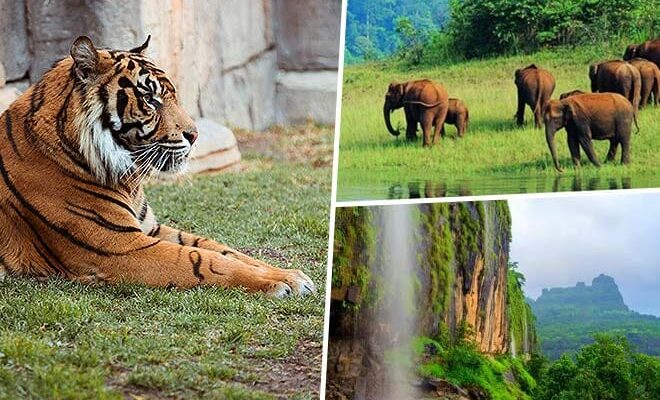
Beyond this natural wonder, the sanctuary is one of Maharashtra’s most important biodiversity hotspots. It is home to the Indian Giant Squirrel (Ratufa indica elphinstoni), the state animal of Maharashtra, along with species such as leopards, sambar deer, mouse deer, hyenas and wild boars.
The sanctuary also contains 14 sacred groves, locally known as Deorais, which have been preserved for generations through traditional socio-religious practices. These groves support a rich variety of plant species and help maintain the ecological balance of the region.
Adventure seekers and nature enthusiasts are drawn to Bhimashankar for its trekking routes, waterfalls, scenic viewpoints and dense evergreen forests. The sanctuary is located around 106 km from Pune and approximately 226 km from Mumbai, making it a popular weekend destination during the monsoon.
Recently, wildlife authorities also initiated surveys to estimate the population of the Indian Giant Squirrel, highlighting the sanctuary’s continuing importance in conservation efforts.
For travellers looking to experience something beyond the usual monsoon destinations, Bhimashankar offers a rare combination of spirituality, wildlife and a natural light show that few places in India can match.
Disclaimer: Access to forest areas may be subject to weather conditions and forest department regulations. Visitors should follow all safety and conservation guidelines while exploring the sanctuary.