Did You Know Out of 10 Most Populous Cities In The World In 2025, 9 Are From Asia?
New UN report shows how rapidly Asia is shaping global urbanisation in 2025.
In 2025, the world’s population has crossed 8.2 billion, and almost half of all people now live in cities. A recent United Nations report highlights how fast urban centres have grown, with the number of megacities rising to 33 compared to just eight in 1975. The list of the world’s largest cities this year shows one clear pattern: nine of the top ten are in Asia, reflecting how the continent continues to drive global urban growth.
Here’s a look at the world’s ten most populous cities in 2025, and what is powering their rise.

Jakarta, Indonesia (41.9 million)
Jakarta tops the global list in 2025. The Indonesian capital has expanded at a remarkable pace because of massive internal migration, strong economic activity and long-term population momentum. Its challenges also mirror its scale flooding, congestion, sinking land, housing shortages and pressure on essential services.
Dhaka, Bangladesh (36.6 million)
Dhaka ranks second, driven by continuous rural-to-urban migration and Bangladesh’s rising population. The city faces some of the most intense urban pressure in the world, from overcrowded neighbourhoods to strained infrastructure and environmental concerns.
Tokyo, Japan (33.4 million)
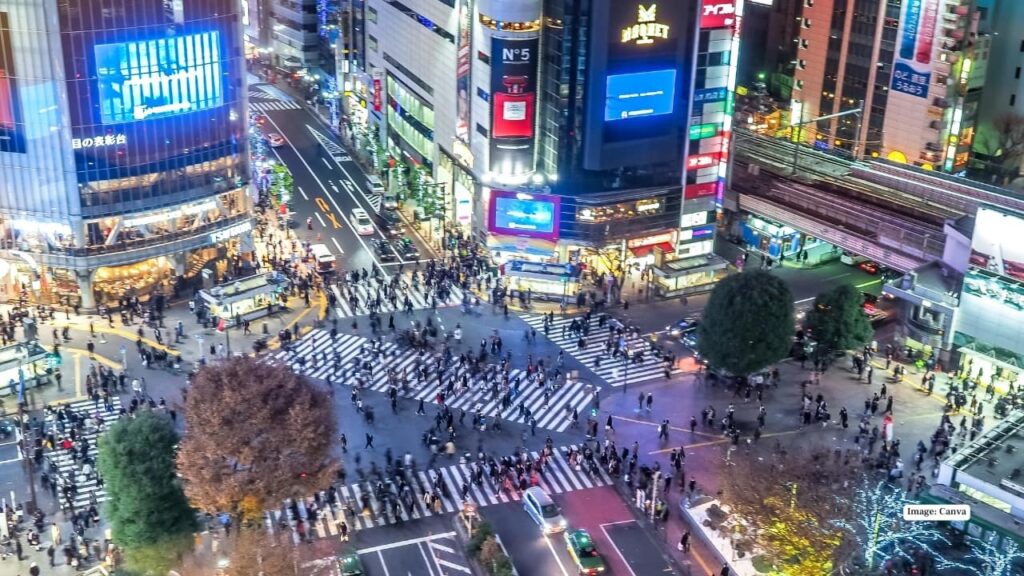
Once the world’s largest megacity for decades, Tokyo now places third. It continues to stand out for its advanced transport systems, efficient planning and stability. Tokyo’s position shows how mature megacities evolve after periods of rapid expansion.
New Delhi, India (30.2 million)
India’s capital region remains one of the fastest-growing urban clusters globally. Economic opportunity and large-scale migration keep expanding its footprint. But this growth also brings challenges—air quality stress, housing demand and rising pressure on water and transport networks.
Shanghai, China (29.6 million)
Shanghai continues to be China’s biggest population magnet. As a major global financial hub and port city, it attracts people from across the country. Its growth reflects China’s broader coastal urbanisation pattern.
Guangzhou, China (27.6 million)
Guangzhou’s rise shows the strength of China’s regional economies. Industrial growth, improved connectivity and strong job markets have pushed the city into the world’s top tiers of urban population.
Cairo, Egypt (25.6 million)
The only non-Asian city on the list, Cairo remains the economic and cultural centre of North Africa. Rapid population increase, migration and expanding suburbs continue to push the city’s numbers up each year.
Manila, Philippines (24.7 million)
Metro Manila’s growth is driven by a young population, expanding economic prospects and strong regional migration. It is one of Southeast Asia’s most densely populated regions, known for its fast-changing skyline and growing urban sprawl.
Kolkata, India (22.5 million)
Kolkata enters the global top ten with steady population growth. Its cultural heritage, economic revival and suburban expansion contribute to its rising numbers. The city represents how multiple Indian metros not just New Delhi or Mumbai—are becoming part of the global megacity network.
Seoul, South Korea (22.5 million)
Completing the list, Seoul remains a model of organised urban growth. High living standards, technological leadership and strong public services have sustained its population over the decades. Seoul shows how megacities can grow through long-term planning rather than just rapid expansion.