Does Putting Salt in the Toilet Overnight Really Work? It Helps a Little But Here’s What Works Better
Does Putting Salt in the Toilet Overnight Really Work? It Helps a Little But Here's What Works Better
Sprinkling salt into the toilet before bed has become a viral cleaning hack on social media. While it may help remove light stains, experts say it is not an effective disinfectant or odor remover. Baking soda and regular cleaning remain far more reliable solutions.
By Vidhi Lalla
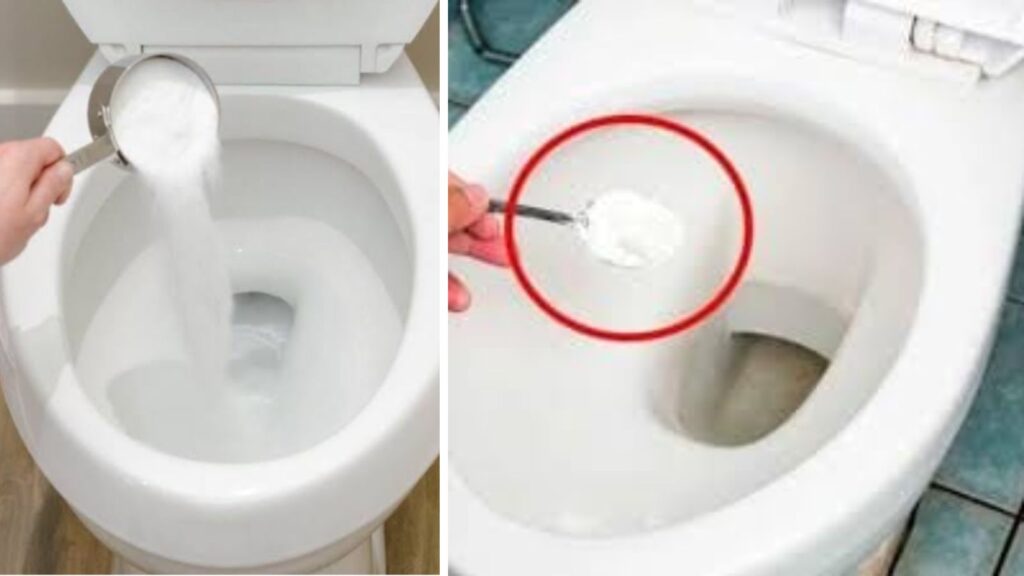
Pune: A simple household trick is making waves on social media, sprinkling a handful of table salt into the toilet bowl before going to bed and flushing it the next morning. Supporters claim the overnight hack removes stains, freshens the bathroom and keeps the toilet cleaner without using harsh chemicals.

While the idea sounds appealing because salt is inexpensive and readily available, experts say the hack has its limitations.

Why are people using salt?
The trend has gained popularity because it is quick, low-cost and requires no specialised cleaning products. Many people believe leaving salt in the toilet overnight can help loosen mineral deposits and reduce unpleasant odours.
Salt has a mildly abrasive texture, which means it can help scrub away light residue or hard-water stains when used with a toilet brush. Some people also add a few drops of essential oil for a pleasant fragrance.
However, experts stress that pleasant smells should not be confused with proper cleaning.
Can salt kill germs?
Not really.
Research shows that ordinary table salt sprinkled into a toilet bowl does not contain enough concentration to kill harmful bacteria or disinfect surfaces.
Scientists explain that microorganisms require extremely high salt concentrations before their growth is significantly affected. Once salt dissolves in toilet water, its concentration becomes far too weak to provide meaningful germ-killing action.
In other words, salt may help with light cleaning, but it should not replace disinfectants or regular toilet cleaners.
Baking soda works better for odours
Cleaning experts say baking soda is much more effective than salt at neutralising bathroom smells.
Unlike salt, baking soda reacts with acidic odour-causing compounds and helps reduce unpleasant smells instead of simply masking them. For even better results, some people combine baking soda with white vinegar during routine toilet cleaning, although the fizzing reaction is mainly useful for loosening grime rather than disinfecting.
What is the best way to keep toilets fresh?
Experts recommend following a regular cleaning routine instead of relying solely on viral internet hacks.
Tips to keep your toilet clean and odor-free
- Clean the toilet bowl at least once or twice a week using a toilet cleaner or disinfectant.
- Use baking soda to help neutralise unpleasant odours naturally.
- Scrub under the rim and inside the bowl where bacteria and mineral deposits often collect.
- Flush regularly, especially in guest bathrooms that are not frequently used.
- Keep the bathroom well ventilated by opening windows or using an exhaust fan.
- Fix leaking toilets or plumbing issues, as stagnant water can contribute to foul smells.
- Clean the toilet brush holder regularly, as it can also harbour bacteria.
- Use essential oils only for fragrance, not as a substitute for proper cleaning.
Should you try the salt hack?
There is little harm in occasionally using salt to help loosen light stains, but it should not be viewed as a replacement for proper bathroom hygiene.
Experts say the hack may leave the toilet looking cleaner, but it does not disinfect surfaces or eliminate bacteria. For a truly clean and hygienic bathroom, regular scrubbing with appropriate cleaning products remains the most effective approach.
Disclaimer: Household cleaning hacks may not work equally well in every home. Always follow the manufacturer’s instructions when using cleaning products, avoid mixing incompatible chemicals such as bleach and acids, and seek professional plumbing advice if persistent odours continue.