No ‘Two Classes of Citizens’: Bombay HC Orders Action Against Illegal Flat Alterations, Seeks Clear Rules
No ‘Two Classes of Citizens’: Bombay HC Orders Action Against Illegal Flat Alterations, Seeks Clear Rules
The Bombay High Court has ruled that illegal modifications in residential flats cannot be ignored simply because similar violations exist elsewhere. The court has ordered demolition of unauthorised structures in a Kalamboli housing society and directed the Maharashtra government to frame comprehensive guidelines for permissible home alterations.
By Vidhi Lalla
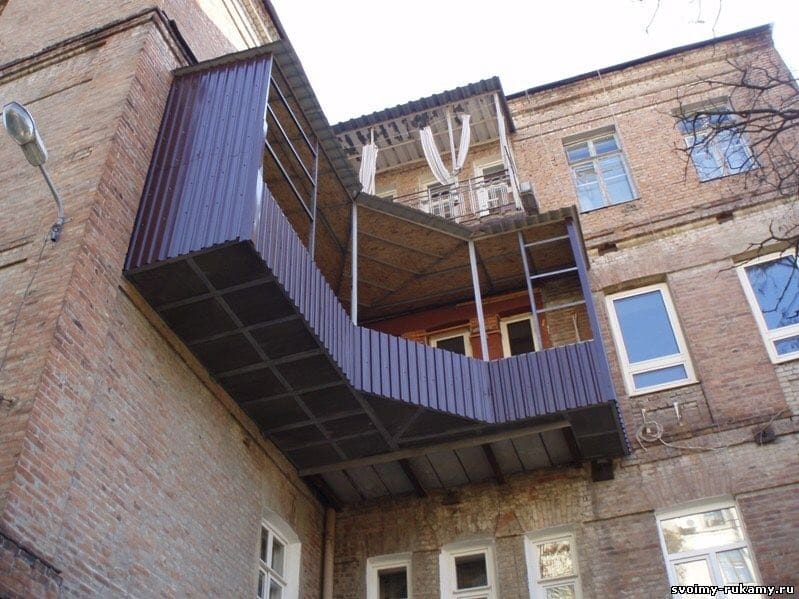
Pune: The Bombay High Court has sent a strong message against illegal alterations in residential buildings, saying there cannot be “two classes of citizens”—those who obey the law and those who openly violate it. The court observed that unauthorised constructions cannot be allowed to continue merely because similar violations exist in other buildings or because civic authorities have failed to act uniformly.

The ruling came while hearing a dispute between residents of a housing society in Kalamboli, Navi Mumbai, where a flat owner had enclosed open terraces, constructed an additional room and carried out structural alterations without municipal approval. The court directed the Panvel Municipal Corporation (PMC) to immediately demolish the unauthorised structures and asked the occupant to vacate the illegal construction.

A Division Bench of Justice A.S. Gadkari and Justice Kamal Khata also directed the Maharashtra government to formulate comprehensive legislation, rules or guidelines specifying which alterations inside flats require prior permission and which may be carried out without approval.
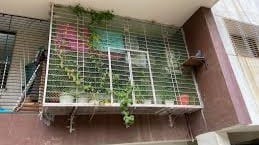
The judges observed that homeowners frequently install protective grills, terrace covers, lightweight sheds or make internal modifications to suit their needs. However, the absence of a simple, transparent and affordable permission process often leads people to undertake such work without official approval. While acknowledging this practical difficulty, the court clarified that lack of clear rules cannot be used to justify illegal construction.
The bench also suggested that the State and municipal corporations develop an online portal where homeowners can upload photographs, plans and details of proposed alterations. Authorities could then quickly determine whether municipal permission is required, making the approval process more transparent and accessible.
Delay in civic action questioned
The High Court expressed concern over delays in taking action against illegal constructions. In the present case, the original complaint was filed in 2019, but meaningful municipal action followed only nearly two years later.
The judges observed that such delays create a perception that unauthorised construction can continue unchecked unless courts intervene. They also noted that prolonged status quo orders in civil courts sometimes allow illegal structures to remain for years without an early examination of whether they are authorised.
Background of the dispute
The case arose after a resident alleged that the flat directly below had enclosed open terraces, erected sheds and altered internal walls under the guise of renovation without obtaining municipal approval. According to the petitioner, the unauthorised work affected the building’s structural stability and continued despite repeated complaints to the housing society and civic authorities.
The Panvel Municipal Corporation admitted before the court that the terrace enclosures were unauthorised. It informed the bench that some illegal sheds had already been demolished in 2021. However, subsequent legal proceedings and interim court orders delayed further action.
The current owner argued that the alterations had been carried out by the previous owner and claimed many other residents in the society had made similar modifications. The court, however, held that the existence of similar violations elsewhere cannot legalise an illegal structure.
Clear guidelines expected
The High Court directed the Maharashtra government to prepare a comprehensive framework covering:
- Permissible alterations within residential flats.
- Enclosures over open terraces and balconies.
- Installation of protective grills, sheds and similar structures.
- Alterations that require prior municipal approval.
- A simple and accessible permission mechanism for homeowners.
The court said such clarity would reduce confusion, improve compliance and minimise disputes between residents and civic authorities.
What this means for homeowners
The judgment serves as a reminder that homeowners should obtain necessary approvals before carrying out structural changes, terrace enclosures or major modifications. Municipal authorities may now face greater pressure to enforce building rules uniformly instead of acting only on selective complaints.
Experts believe that if the State introduces clear guidelines and a digital approval system, it could reduce litigation while making renovation rules easier for citizens to understand and follow.
Disclaimer: Building alteration rules vary depending on municipal laws, sanctioned building plans and housing society regulations. Homeowners should obtain necessary permissions before undertaking structural modifications.