Driving In Dense Fog: Safety Tips Every Motorist Must Follow This Winter
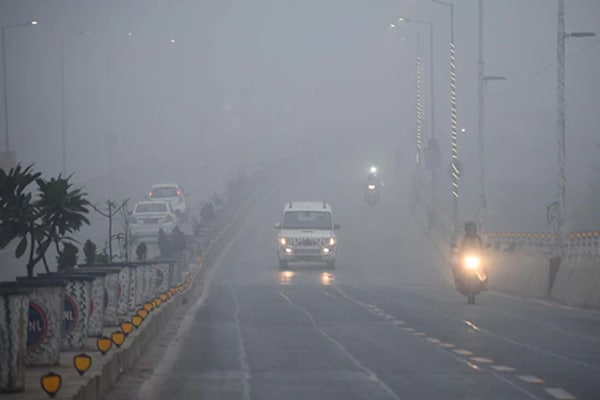
Driving In Dense Fog: Safety Tips Every Motorist Must Follow This Winter
Low visibility during foggy conditions increases accident risk sharply; simple driving precautions can prevent serious mishaps.
Dense fog has become a recurring winter hazard across several parts of India, significantly reducing visibility on highways and city roads. With temperatures dropping and moisture levels rising, early morning and late-night travel is turning increasingly risky for motorists. Road safety experts warn that most fog-related accidents occur not due to poor weather alone, but because drivers fail to adjust their driving behaviour to low-visibility conditions.
Fog reduces depth perception, blurs road markings, and creates visual illusions that make vehicles appear farther away or slower than they actually are. In such conditions, following standard speed limits or relying on instinctive driving habits can prove dangerous.
Slow Down And Stay Alert

The single most important rule while driving in fog is to slow down. Speed limits are designed for clear weather and ideal visibility, not fog. Reduced speed gives drivers enough time to react if an obstacle, pedestrian, or stalled vehicle appears suddenly. Fog can also create a false sense of slow movement, causing drivers to unknowingly overspeed. Regularly checking the speedometer helps avoid this illusion.
Drivers are also advised to increase the distance between their vehicle and the one ahead. Maintaining at least double or triple the normal following distance allows more time to brake safely if the vehicle in front slows down or stops unexpectedly.
Use The Correct Lights
Using the right lighting is crucial in foggy conditions. Low-beam headlights should always be switched on, along with fog lamps if the vehicle is equipped with them. High-beam headlights should be avoided as they reflect off fog particles and reduce visibility further, creating glare instead of illumination.
Emergency hazard lights should only be used when the vehicle is stationary and safely parked off the road, not while driving.
Keep The Windshield Clear
Fog often leads to condensation on the windshield, further reducing visibility. Drivers should use windshield wipers and the defroster to keep the glass clear. A clean windshield, both inside and outside, improves clarity significantly in low-visibility conditions.
Avoid Distractions Completely
Driving in fog demands complete attention. Experts recommend turning down the radio and avoiding mobile phone use, even hands-free calls. Sound cues, such as horns or approaching vehicles, often become more important when vision is compromised.
Rely On Road Markings, Not Other Vehicles
Instead of following the tail lights of the vehicle ahead, which may stop abruptly or change lanes suddenly, drivers should use lane markings and road edges as visual guides. Following another vehicle too closely in fog can lead to chain collisions.
Turn signals should be used well in advance to clearly communicate lane changes or turns to other road users.
When Visibility Drops To Zero
If fog becomes so dense that visibility is nearly zero, the safest option is to pull over completely off the road, preferably onto the shoulder or a designated parking area. Once parked, drivers should turn off headlights and switch on hazard lights. Leaving headlights on while stationary can mislead other drivers into thinking the vehicle is still moving, increasing collision risk.
Under no circumstances should a vehicle be stopped in an active travel lane, as this poses a serious threat to oncoming traffic.
Fog-related accidents are preventable when drivers exercise patience, caution, and awareness. Adapting driving habits to weather conditions is not just advisable—it is essential for ensuring safety on winter roads.
Disclaimer: This article is for general road safety awareness. Drivers should follow local traffic rules and official advisories issued by transport and weather authorities.