Electric Vehicles Get 100% Toll Exemption in Maharashtra; Free Travel on Mumbai-Pune Expressway, Samruddhi Mahamarg

Electric Vehicles Get 100% Toll Exemption in Maharashtra; Free Travel on Mumbai-Pune Expressway, Samruddhi Mahamarg
In a major push towards sustainable mobility, the Maharashtra government has introduced its Electric Vehicle Policy 2025, offering 100% toll exemption for electric cars and e-buses on key routes such as the Mumbai-Pune Expressway, Samruddhi Mahamarg, and Atal Setu for the next five years. The policy is designed to incentivize the adoption of electric vehicles (EVs) across the state.
According to the Government Resolution (GR) released on Friday, the toll waiver will be extended to all highways under the Public Works Department (PWD) in due course. The state’s Transport Department will compensate the toll revenue loss to the PWD through supplementary provisions, under the guidance of a committee led by the Chief Secretary.
EV Charging Infrastructure Every 25 km
To support the transition, the policy mandates EV charging stations every 25 kilometers on state and national highways. All existing and upcoming petrol pumps must have at least one EV charging point. A Memorandum of Understanding (MoU) will be signed between the Transport Department and Oil Marketing Companies (OMCs) to ensure infrastructure rollout.

Moreover, all ST bus depots and stations across Maharashtra will be equipped with fast-charging facilities, ensuring smoother operations for public transport EVs.
Subsidies for Replacing Heavy Diesel Vehicles
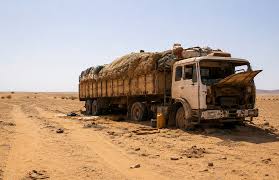
The policy extends support beyond passenger EVs. Heavy-duty diesel vehicles such as trucks, tractors, harvesters, construction equipment, ambulances, and waste collection vehicles will receive special subsidies for conversion to electric alternatives. The government noted that such vehicles contribute up to 67 times more pollution compared to regular passenger cars.
This progressive policy aims to build a cleaner, greener, and more efficient transportation ecosystem in Maharashtra, particularly across high-traffic routes like Mumbai-Pune and Mumbai-Nagpur, aligning with global climate goals and India’s net-zero emissions roadmap.