Emerging Trend: Why Retirees Are Leaving Big Cities Like Mumbai, Delhi For Smaller Towns?
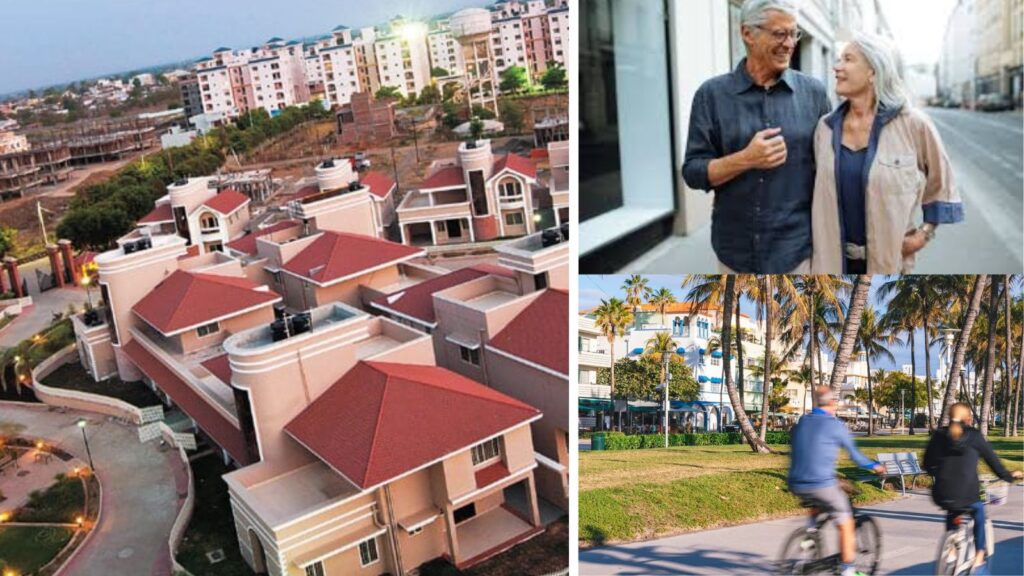
Emerging Trend: Why Retirees Are Leaving Big Cities Like Mumbai, Delhi For Smaller Towns?
Rising costs, stress, and pollution are driving a growing shift towards peaceful and affordable tier-2 cities
A noticeable shift is emerging across India, where many retirees are choosing to leave major metro cities like Mumbai, Delhi, and Bengaluru in favour of smaller cities that promise a quieter and more affordable lifestyle.
For decades, big cities were seen as the ultimate destination for better jobs and higher income. But now, after retirement, priorities are changing. Instead of fast-paced urban life, many senior citizens are opting for comfort, peace, and financial stability.
One of the biggest reasons behind this trend is the rising cost of living. In metro cities, even a basic 3BHK home can cost over ₹1 crore, making it difficult for retirees dependent on savings or pensions to sustain their lifestyle. Daily expenses such as groceries, electricity, and essentials are also significantly higher. In contrast, smaller cities offer similar living standards at nearly half the cost, allowing retirees to stretch their savings longer.

Another major factor is the stress of daily life in metros. Heavy traffic, overcrowding, and long travel times make even simple tasks exhausting. After retirement, many people prefer a slower pace of life where everything—from markets to healthcare—is easily accessible without long commutes.
Health concerns are also playing a key role. Air pollution in large cities has increased the risk of respiratory and heart-related illnesses, which can be especially concerning for older individuals. Cleaner air, open spaces, and greenery in smaller cities contribute to a healthier lifestyle and better overall well-being.
Cities like Dehradun, Indore, Chandigarh, Mysuru, and Bhubaneswar are increasingly becoming popular retirement destinations. These cities offer a balanced mix of modern infrastructure and peaceful living, along with stronger community connections that help reduce loneliness.
Improved infrastructure is further accelerating this shift. Better highways, airports, and connectivity have made it easier to stay connected with larger cities while enjoying the benefits of smaller towns. Real estate demand in these areas has reportedly grown by 20–25%, with property prices still relatively affordable, typically ranging between ₹30 lakh and ₹1.5 crore.
However, the trend also raises concerns for the future. Experts warn that if more people continue to leave metro cities post-retirement, it could impact urban economic patterns, real estate demand, and service sectors that rely on long-term residents. At the same time, smaller cities will need to strengthen healthcare and infrastructure to support the growing population of senior citizens.
Overall, this shift reflects a deeper lifestyle change. For many retirees, peace of mind, health, and affordability are now more important than the hustle, opportunities, and glamour of metro life. As this trend grows, it is likely to reshape both urban and semi-urban India in the coming years.