Festive Skies, Responsible Choices: How the Right Kite String Can Protect Lives This Makar Sankranti
Festive Skies, Responsible Choices: How the Right Kite String Can Protect Lives This Makar Sankranti
Festivals are meant to spread joy, colour, and togetherness, and Makar Sankranti does exactly that. As kites rise into bright January skies, rooftops echo with cheers and friendly competition. Yet behind this cheerful tradition lies a quieter truth that often goes unnoticed. The very activity that brings happiness can also cause serious harm, and whether it does or not depends largely on a single choice we make.
For birds gliding freely above, for animals roaming below, and even for people walking or riding on the streets, the type of kite string used can mean the difference between safety and suffering. While the festival lasts a day, the consequences of careless choices can linger much longer.
The unseen cost of harmful kite strings
Wildlife rescuers and animal welfare groups have long warned about the dangers of synthetic and Chinese manjha. These nylon-based or glass-coated strings are extremely sharp and nearly invisible in the air. Every year, countless birds are injured when these threads cut through their wings, necks, or legs. Many are left unable to fly, while others do not survive the injuries at all.
The danger is not limited to birds. Stray animals often get tangled in discarded strings, leading to deep wounds. Even humans are at risk. There have been disturbing incidents where fast-moving two-wheelers encountered hanging loops of sharp manjha, resulting in severe cuts to the face and neck. What is meant to be a harmless celebration can suddenly turn tragic.
Why cotton manjha is a safer alternative
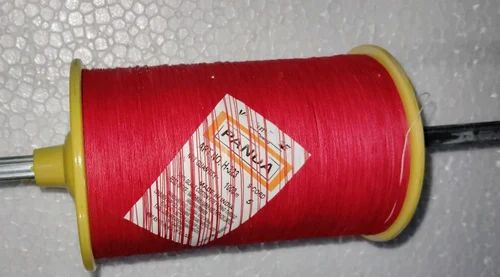
Traditional cotton manjha offers a much gentler option. Made from simple cotton thread and sometimes lightly treated with starch or mild paste, it lacks the razor-sharp edge of synthetic strings. Cotton is biodegradable, easier to spot in the sky, and far less dangerous on contact.
When birds come into contact with cotton manjha, it is more likely to snap instead of tightening around their bodies. This breakability is exactly why veterinarians and rescue volunteers consistently advocate for cotton strings. While no kite string is completely risk-free, cotton greatly reduces the chances of fatal injuries.
The serious risks of Chinese and synthetic manjha
Chinese manjha and other synthetic strings are designed for aggressive kite battles. Coated with glass or metal powder, they are meant to cut through competing kite strings effortlessly. Unfortunately, this same feature makes them lethal to living beings.
Birds cannot detect these nearly invisible threads until it is too late. A single encounter can sever wings or legs instantly. Humans, too, can become unintended victims when these strings stretch across roads or dangle from buildings. The sharpness shows no mercy, regardless of who or what crosses its path.
What the law says about dangerous manjha
The risks associated with harmful kite strings have not gone unnoticed by authorities. On December 14, 2016, the National Green Tribunal issued an interim ban across India on glass-coated manjha, citing serious threats to humans, animals, and birds.
This was followed by a comprehensive order on July 11, 2017, in which the NGT directed all states and Union Territories to ban the manufacture, sale, storage, purchase, and use of kite strings made from nylon or any non-biodegradable synthetic material.
Several states and cities have also introduced their own strict regulations. Delhi, for instance, banned Chinese manjha as early as January 10, 2017. Violations can lead to heavy fines and even imprisonment of up to five years for those involved in production or sale. Despite these rules, enforcement remains uneven, and reports of banned strings surfacing each year continue to raise concern.
Choosing safer places and cleaner habits
Using cotton manjha is only part of the solution. Where you fly your kite also matters. Open grounds, parks, terraces with clear surroundings, or designated kite-flying zones are far safer than crowded streets or areas close to power lines and trees.
Once the celebration ends, taking a few extra minutes to collect used kite strings can make a real difference. Loose threads left on bushes, fences, or rooftops can remain dangerous long after the festival is over, silently trapping birds and animals.
A small decision for a kinder sky
Makar Sankranti reminds us of new beginnings, brighter days, and positive change. As we move toward a future that values safety and sustainability, our festive choices should reflect that spirit. By choosing cotton manjha, respecting the law, and cleaning up after ourselves, we can protect lives without giving up tradition. The sky belongs to everyone, birds included. This festive season, a mindful choice can help ensure that our celebrations leave behind memories of joy, not scars.