Fuel Price Hike Likely? State-Run Oil Firms Lose Over Rs 1 Lakh Crore In 10 Weeks Amid Global Crisis
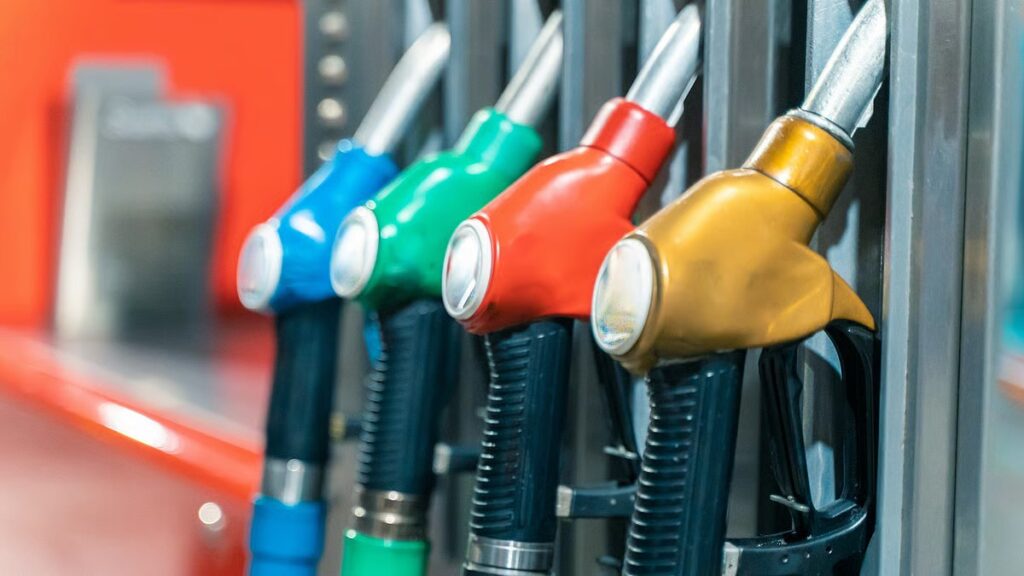
State-owned oil marketing companies are facing mounting financial pressure as global crude oil prices continue to rise amid the ongoing Middle East conflict. Despite international fuel prices surging sharply, petrol and diesel prices in India have remained unchanged for nearly two years.
India’s state-run oil marketing companies (OMCs) have reportedly suffered losses of more than Rs 1 lakh crore in the last 10 weeks while continuing to shield consumers from rising global fuel prices triggered by the ongoing Middle East crisis.
According to reports, Indian Oil Corporation (IOC), Bharat Petroleum Corporation Limited (BPCL) and Hindustan Petroleum Corporation Limited (HPCL) are currently facing combined under-recoveries of around Rs 1,600 crore to Rs 1,700 crore every day.

The losses are mainly due to the widening gap between the actual cost of fuel and the retail prices at which petrol, diesel and LPG are being sold in India.
Despite nearly a 50 percent rise in global crude oil prices, petrol and diesel rates in India have remained at almost two-year-old levels. Petrol is currently retailing at around Rs 94.77 per litre, while diesel is priced near Rs 87.67 per litre in several major cities.
Domestic LPG cylinder prices were increased by Rs 60 in March this year, but officials said cooking gas prices still remain below actual cost levels.
Sources quoted in the reports said the government had earlier reduced excise duties to absorb part of the burden and prevent a sharp rise in retail fuel prices. The excise duty on petrol was reportedly cut to Rs 3 per litre from Rs 13, while diesel excise duty was reduced to zero from Rs 10 per litre.
Officials said this reduction has resulted in a monthly revenue impact of nearly Rs 14,000 crore for the central government.
The ongoing conflict in West Asia has also disrupted global energy supply chains. Reports noted that India imports nearly 40 percent of its crude oil requirements, about 90 percent of LPG and around 65 percent of natural gas from overseas markets, making the country highly vulnerable to global price shocks.
Even as countries such as Japan and the United Kingdom have increased petrol and diesel prices by up to 30 percent since the conflict began, India has so far maintained stable retail fuel prices.
However, sources indicated that the pressure on oil companies is now becoming difficult to sustain. Reports quoted officials saying that a petrol and diesel price hike may eventually become unavoidable, though the timing and extent of any increase would depend on a political decision by the government.
Despite the financial strain, strategic investments in refining capacity, ethanol blending, biofuels and energy security infrastructure are expected to continue with government support.
The reports also highlighted that oil companies have continued uninterrupted supply of petrol, diesel and LPG despite disruptions in imports and rising international crude prices.
Disclaimer: Fuel prices are subject to government policy decisions, taxes and international market fluctuations. Retail rates may vary across cities and states.