Credit Card Interest Rate: Can You Reduce High Credit Card Charges? Here’s What Experts Say

Credit Card Interest Rate: Can You Reduce High Credit Card Charges? Here’s What Experts Say
In today’s rising cost-of-living environment, credit cards have become an essential financial tool for many people. From shopping expenses to utility bill payments, consumers increasingly rely on credit cards for everyday transactions. However, missing payments or carrying unpaid balances can result in hefty interest charges, with many cards charging annual interest rates between 30% and 45%.
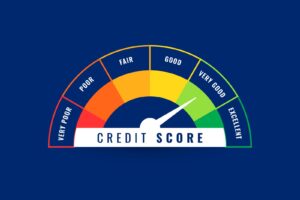
Many cardholders believe these rates are fixed and cannot be negotiated. Financial experts, however, say that banks may reduce interest rates for customers with a strong repayment history and good credit scores.
When Can You Request a Lower Interest Rate?
Experts suggest reviewing your credit card repayment history before approaching the bank. Customers who have consistently paid dues on time for the past six to twelve months stand a better chance of getting a reduced interest rate.

Banks are generally more willing to consider such requests from long-term customers with clean repayment records and healthy credit scores. However, customers with recent delayed payments may face rejection.
How to Ask the Bank for a Lower Rate
To negotiate a lower interest rate, customers can contact the bank’s customer care service and request to speak with the retention team or relationship manager.
While speaking with the bank, customers should clearly mention that the current interest rate feels too high and request a review. Experts also recommend mentioning competing offers from other banks, as financial institutions often try to retain existing customers.
In some cases, banks may temporarily reduce the interest rate, convert outstanding balances into EMIs, or offer a lower-interest credit card variant.
Maintain a Good Credit Score
Financial advisors warn that maintaining a healthy credit score is crucial while negotiating with banks. Frequent delays in repayments or excessive debt can negatively impact the CIBIL score and reduce the chances of approval.
Experts recommend paying the full outstanding amount every month whenever possible. If that is not feasible, cardholders should at least pay the minimum due amount to avoid penalties and additional charges.
Smart Credit Card Usage Can Save Money
According to experts, reducing the interest rate can help users save significantly over time. However, the best strategy remains avoiding large unpaid balances altogether.
Customers facing high interest burdens are advised to check their bank’s website or mobile application for balance transfer offers, EMI conversion options, or special interest reduction schemes.
With banks focusing on customer retention, financially disciplined users with strong repayment records may benefit from negotiating better terms on their credit cards.
Disclaimer: This article is for informational purposes only and should not be considered financial advice. Interest rate policies and approvals may vary across banks and individual customer profiles.