Get Ready to Pay More: Tobacco, Cigarettes, and Cold Drinks to Face Heavier Taxes Under GST Overhaul
Get Ready to Pay More: Tobacco, Cigarettes, and Cold Drinks to Face Heavier Taxes Under GST Overhaul
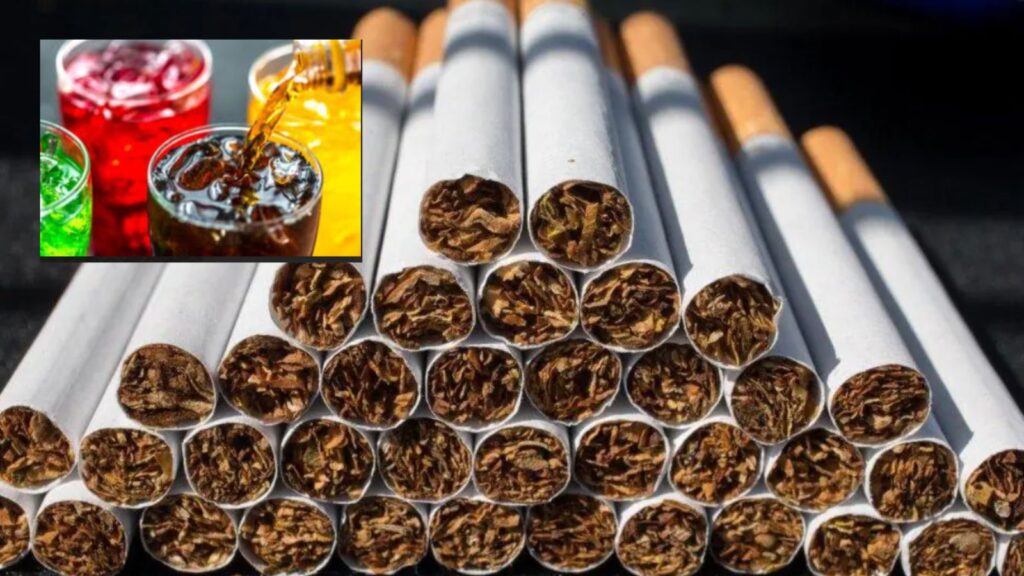
A major shake-up is on the horizon for products considered harmful to public health. Tobacco, cigarettes, and aerated beverages like cold drinks are already in the government’s crosshairs under the revamped Goods and Services Tax (GST) structure — but now, they’re about to get even pricier.
As per the latest updates, these “sin goods” have officially been moved into the highest GST slab of 40%. However, that’s not the end of the story. The government is reportedly planning to hike the tax burden further by imposing an additional cess over and above the existing 40% GST rate.
Speaking to Business Today, Sanjay Kumar Agarwal, Chairman of the Central Board of Indirect Taxes and Customs (CBIC), emphasized that while 40% is the ceiling for GST under the current framework, there is still room to maintain — or even increase — the overall tax load on these harmful items by introducing a separate cess.

Although details remain under wraps, Agarwal hinted that legislative changes could be brought in if required to implement these additional levies. The idea is to ensure that the fiscal impact of these goods remains strong enough to discourage their consumption while aligning with the new GST framework.
In contrast, high-end items such as luxury cars, premium motorcycles, and other super luxury products won’t face any extra tax burdens beyond the 40% GST. Agarwal clarified that these categories will not see additional cess or surcharges.
Currently, these luxury goods fall under the 28% tax bracket, often with an added cess. Under the revised GST system, they will move to the flat 40% slab. The 28% sub-tax on harmful goods is expected to stay in place until December 2025, slightly extending its original sunset date of October 31, 2025.
New GST Rates to Kick In from September 22
The CBIC is now working swiftly to put the new GST rates into effect starting September 22, 2025. Two critical tasks are currently underway to ensure a smooth transition:
1. Official Notifications: Both the central and state governments are preparing to issue notifications outlining the updated rates and regulations.
2. IT & ERP System Updates: Changes are being made to government systems to reflect the revised tax structure. At the same time, businesses will also need to update their ERP (Enterprise Resource Planning) software by September 22 to ensure compliance in billing and invoicing.
Agarwal also shared that a simplified GST registration process and a more streamlined refund mechanism are being rolled out as part of this update.
With just weeks to go before the new GST structure kicks in, both consumers and businesses should brace for the impact. While harmful products like tobacco and cold drinks are set to become even more expensive, luxury vehicle owners can breathe easy — for now. The government’s approach appears to be sharply focused on discouraging consumption of unhealthy items while streamlining tax structures and compliance systems. As the clock ticks toward September 22, all eyes will be on how these changes play out across industries and shopping bills alike.