Growing Trust At Home: Why Hydroponics Is Taking Root In Urban India
Growing Trust At Home: Why Hydroponics Is Taking Root In Urban India
Food has always been built on trust. Today, that trust is being tested. Across India, rising concerns over food adulteration are making people question what ends up on their plates. Despite awareness efforts by bodies like the Food Safety and Standards Authority of India, only a small number of consumers regularly check food quality or labels.
Recent figures reflect this unease. Cases of adulteration in fruits and vegetables have increased over the years, and repeated nationwide raids have uncovered large volumes of unsafe food. Even as enforcement improves, the scale of the issue means uncertainty continues to shadow everyday purchases even from trusted vendors.

This quiet anxiety is now reshaping habits, particularly in urban homes. In cities like Pune, where space is tight and time is limited, people are looking for practical ways to take control of their food. One method steadily gaining ground is hydroponics, a way of growing plants without soil.

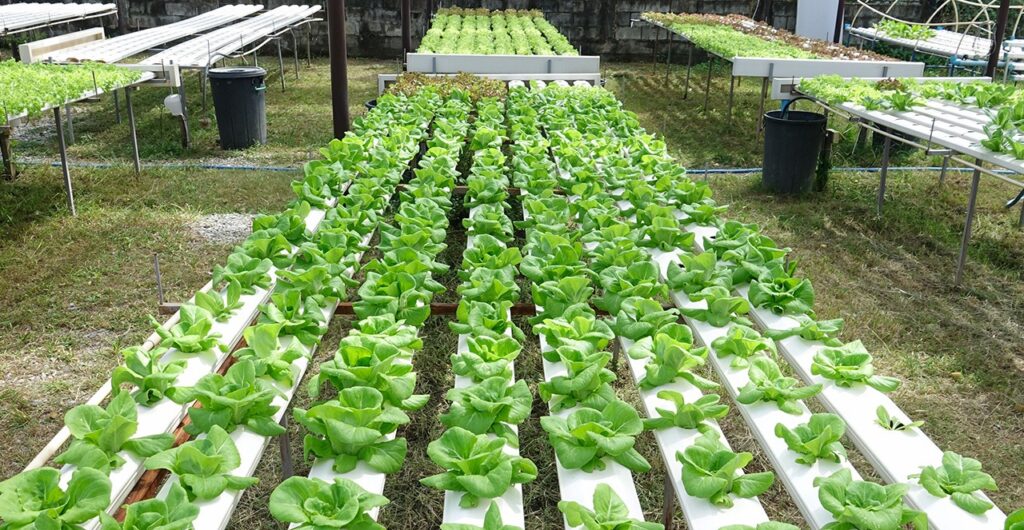
The concept is simple. Plants grow in water enriched with nutrients, with their roots directly absorbing what they need. This results in faster growth, cleaner produce, and reduced dependency on weather or soil quality. What makes hydroponics stand out is how little space it needs: a balcony, a terrace, or even a small kitchen corner can be enough.
For many households, it’s also about independence. With a modest setup and regular care, it’s possible to grow everyday greens like coriander, spinach, and lettuce at home. There’s no concern about pesticides, no soil-borne pests, and significantly less water usage compared to traditional gardening.
The idea is also being pushed further by innovators. Entrepreneurs like Shailesh Modak have demonstrated that even delicate crops like saffron often referred to as “red gold” can be successfully grown using hydroponic systems. His work highlights how this method can move beyond home use and contribute to larger agricultural changes.
That said, hydroponics does require some planning. Choosing the right crops, managing nutrient cycles, and maintaining the system takes time to learn. But compared to traditional farming or gardening, it removes many everyday challenges such as weeding and soil maintenance.
At a time when food safety feels uncertain, hydroponics offers something simple yet meaningful: a sense of control. It may not replace the market entirely, but for many, it is becoming a steady step towards cleaner, more reliable food at home.