GST Changes Hit EV Demand As Buyers Turn Back To Petrol Vehicles
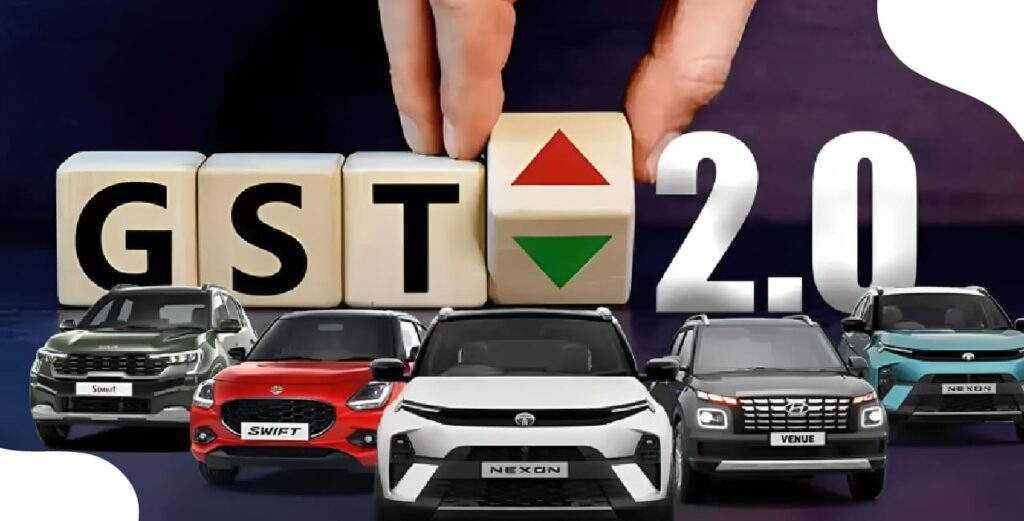
GST Changes Hit EV Demand As Buyers Turn Back To Petrol Vehicles
Lower taxes on petrol-diesel cars widen price gap, slow EV market share growth despite higher overall sales
India’s electric vehicle (EV) momentum faced a clear pause in 2025 as changes in the Goods and Services Tax (GST) structure made petrol and diesel vehicles more attractive to buyers. While EV volumes continued to grow in absolute numbers, their market share declined across key segments after the government reduced GST on internal combustion engine (ICE) vehicles from October.
The tax cut narrowed the cost advantage EVs had built over the past few years. With petrol and diesel cars becoming cheaper overnight, many buyers deferred or cancelled EV purchase plans, particularly in the two-wheeler and passenger vehicle segments. Industry data shows this shift was most visible in the December quarter, the first full quarter after the GST revision came into effect on September 22, 2025.
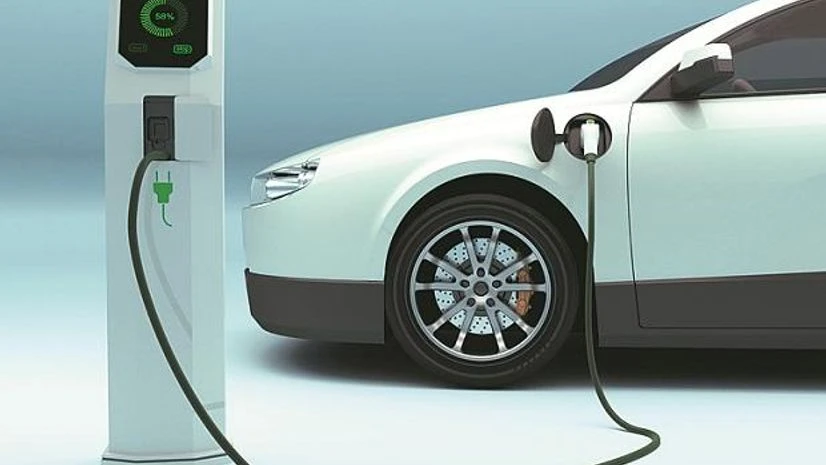
In the two-wheeler segment, electric vehicle penetration had steadily climbed through most of the year, rising from 6 per cent in 2024 to a peak of 8.1 per cent between January and September 2025. However, the final quarter saw a noticeable pullback, dragging full-year EV penetration down to 6.3 per cent. Buyers increasingly opted for petrol models as upfront prices became more competitive.

Passenger vehicles followed a similar pattern. Electric cars and SUVs had shown improving acceptance through wider model availability and aggressive launches, but the widening price gap with petrol-diesel vehicles reduced their relative appeal. Sales of ICE cars surged during the December quarter, cutting into EV market share even as total car sales remained strong.
Electric three-wheelers stood out as the only segment to buck the trend. EV penetration in this category improved during the year, with volumes rising 15 per cent year-on-year to around 8 lakh units in 2025, up from 6.9 lakh units in 2024. E-rickshaws continued to dominate this space, accounting for nearly 70 per cent of total electric three-wheeler sales.
Despite the market share pressure, overall EV volumes did not decline. Electric two-wheeler registrations rose 11 per cent to 12.8 lakh units in 2025. Electric passenger vehicle registrations, excluding hybrids, jumped sharply by 77 per cent to about 1.8 lakh units, driven by new launches, deeper penetration by existing manufacturers, and fresh entrants.
To counter softer demand after the GST cut, automakers rolled out aggressive year-end discounts on electric models. Companies including Mahindra & Mahindra, Tata Motors, Hyundai and Kia offered record incentives in an attempt to protect EV sales momentum.
The broader passenger vehicle market, meanwhile, remained robust. Car sales rose about 6 per cent year-on-year in 2025 to a record 4.5 million units, supported by tax rationalisation measures and repo rate reductions that boosted disposable incomes. December alone saw sales of over 4 lakh cars, marking the third consecutive month of double-digit growth following the GST cut.
Industry experts say the data reflects a shift in consumer price sensitivity rather than a loss of faith in electric mobility. While EV adoption continues to expand, policy signals that alter price equations can quickly influence buyer behaviour, especially in mass-market segments.
Disclaimer: This article is for general information only and does not constitute financial or investment advice.