Hard Work Vs Smart Work: Pune Techie Shares Habits That Actually Lead To Promotions
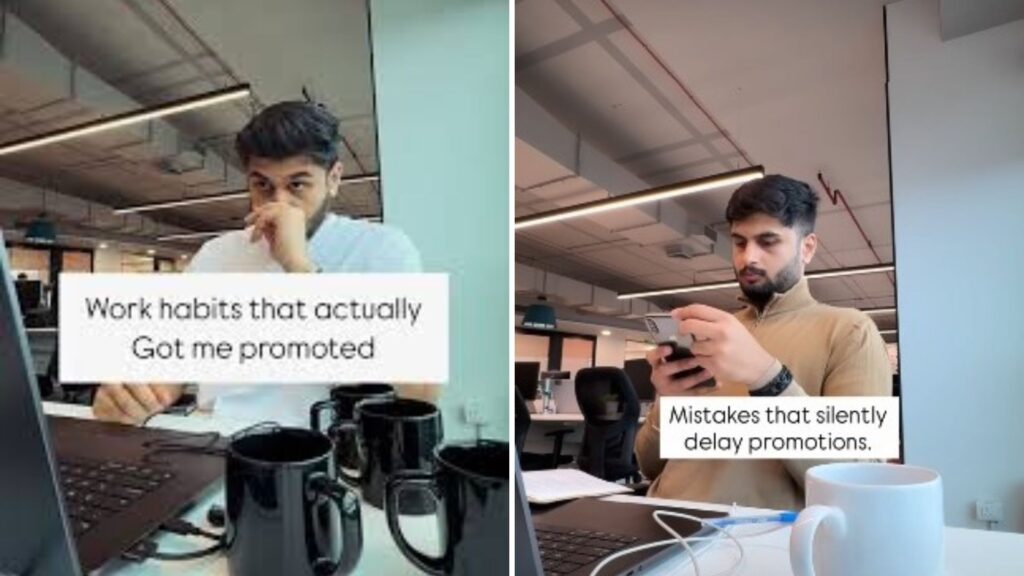
Hard Work Vs Smart Work: Pune Techie Shares Habits That Actually Lead To Promotions
Consistency, visibility and clear communication matter more than long working hours, says professional
In many workplaces, putting in long hours is often seen as the path to growth. But a Pune-based tech professional, Rohit Yadav, has challenged this belief, saying that hard work alone is no longer enough to secure promotions.
Sharing his experience, Yadav explained that in today’s work culture, effort is considered the baseline, not something that automatically sets employees apart. “Hard work is expected, not rewarded. It keeps things running. It doesn’t make you stand out,” he noted.
According to him, one of the biggest gaps professionals face is between effort and visibility. Even meaningful work can go unnoticed if it is not communicated effectively. He emphasised that how your work is perceived within the organisation plays a key role in career growth. If decision-makers are not aware of your impact, they may assume your contribution is average.

He also highlighted that clarity in outcomes matters more than just volume of work. Work that clearly shows results and progress is more likely to be recognised than tasks done quietly in the background.
Over time, Yadav adopted a few simple habits that helped him grow professionally. One of them was proactively seeking feedback instead of waiting for formal reviews. This allowed him to improve continuously and align his work with expectations.
He also changed the way he communicated ideas. Instead of making passive suggestions, he began presenting clear recommendations backed by reasoning. This shift, he said, helped position him as someone ready for greater responsibility.
Reliability in daily work was another key factor. He made it a point to follow up without reminders and keep stakeholders updated, which gradually built trust within his team.
Perhaps the most important lesson he shared was about consistency over intensity. Rather than delivering one standout performance occasionally, maintaining steady output week after week made a stronger impression on managers.
Yadav concluded that promotions rarely come from one big moment. Instead, they are based on patterns of behaviour that leaders observe over time.
The takeaway, he suggests, is clear: in modern workplaces, growth depends not just on how hard you work, but on how effectively your work is seen, communicated, and sustained over time.