How Much Speed Can Your Car Tyre Handle? Decode The Numbers Written On It
How Much Speed Can Your Car Tyre Handle? Decode The Numbers Written On It
Those letters and numbers on your tyre are not random. They reveal speed limit, load capacity, size and safety details.
Most car owners focus on tyre brand and price while replacing tyres. But the most important information is often printed right on the tyre sidewall.
The numbers and letters written there tell you whether the tyre suits your car, how much weight it can carry and the maximum speed it is designed to handle safely.

Understanding these markings can help you choose the right tyre, improve performance and avoid dangerous mistakes.
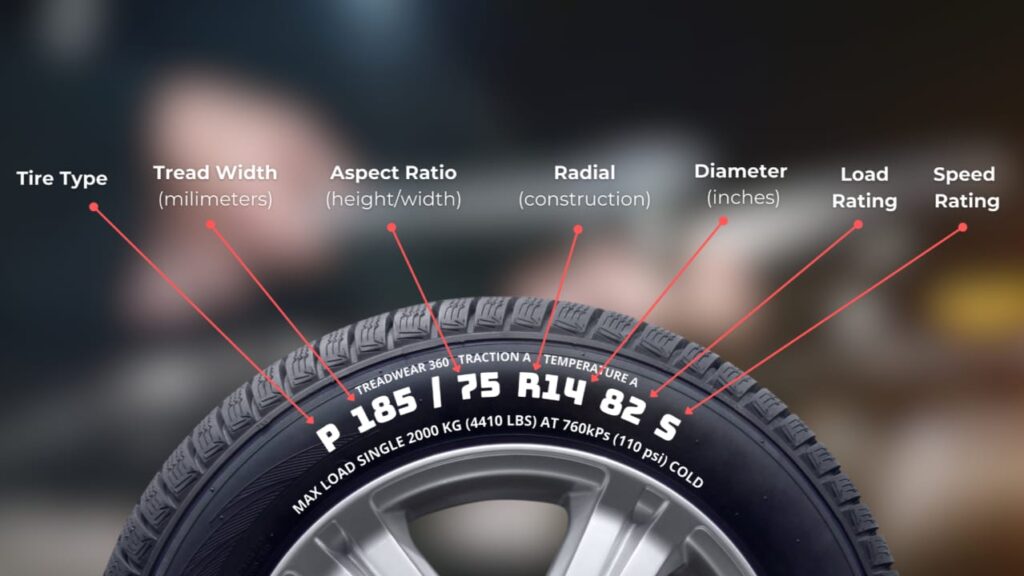
Take a common tyre code such as 195/55 R16 87V.
Here is what it means:
Tyre Width (195)
The first number shows the tyre width in millimetres. In this case, the tyre is 195 mm wide. Wider tyres usually offer better grip and road contact.
Aspect Ratio (55)
This number shows the tyre’s height as a percentage of its width. Here, the height is 55% of 195 mm. Lower-profile tyres often improve handling and give a sportier look.
Tyre Type (R)
The letter R stands for Radial tyre. Most modern passenger vehicles use radial tyres because they offer better durability, comfort and fuel efficiency.
Rim Size (16)
This indicates the wheel rim diameter in inches. A tyre marked R16 fits a 16-inch wheel rim.
Load Index (87)
This number shows how much weight one tyre can safely carry. An index of 87 equals around 545 kg per tyre.
Speed Rating (V)
The last letter indicates the maximum certified speed capability of the tyre under proper conditions.
Common ratings include:
S = Up to 180 km/h
H = Up to 210 km/h
V = Up to 240 km/h
This does not mean you should drive at those speeds. It means the tyre is engineered to tolerate heat and stress up to that limit.
Other markings may include:
P = Passenger vehicle
LT = Light Truck
Arrow symbol = Directional tyre that must rotate in a specific direction
Experts warn that using the wrong tyre size or speed rating can reduce mileage, wear tyres faster and increase the risk of overheating or blowouts, especially on highways.
When replacing tyres, always match the manufacturer’s recommended specifications rather than choosing only by looks or cost.
The next time you visit a tyre shop, check the code yourself — it could save money and improve safety.
Disclaimer: Tyre specifications vary by vehicle model. Always follow the car manufacturer’s approved tyre size and load recommendations.