Mumbai-Pune Expressway Missing Link Gets Wind Shields On 182-Metre Tiger Valley Bridge
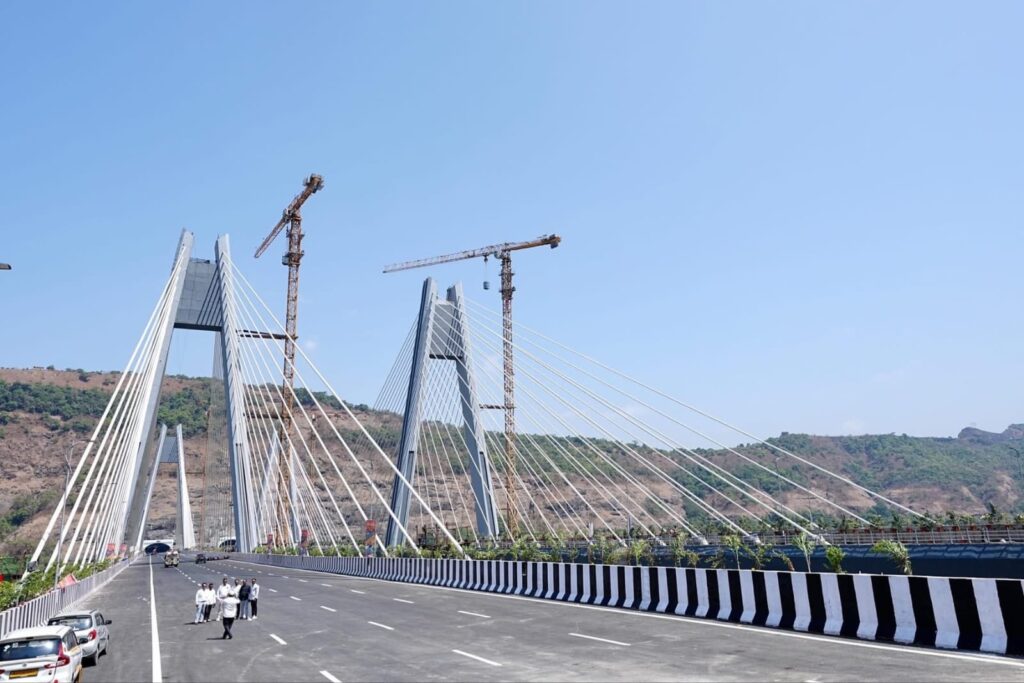
Mumbai-Pune Expressway Missing Link Gets Wind Shields On 182-Metre Tiger Valley Bridge
With monsoon winds expected to intensify across the Western Ghats, authorities have begun installing specialised wind barriers on the Mumbai-Pune Expressway’s iconic Tiger Valley bridge to improve safety for motorists using the newly opened Missing Link corridor.
The Maharashtra State Road Development Corporation (MSRDC) has started installing advanced wind shields on the cable-stayed bridge that forms a key part of the Mumbai-Pune Expressway’s Missing Link project. The move comes as authorities prepare for the monsoon season and seek to protect vehicles from strong crosswinds at one of the highest points on the route.

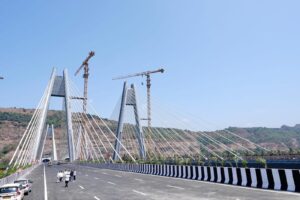
The 650-metre-long cable-stayed bridge spans Tiger Valley and is supported by towering pylons rising nearly 182 metres above the valley floor. Due to its location over a deep gorge, the structure remains exposed to powerful mountain winds that can strengthen suddenly during adverse weather conditions.
According to officials, the specially designed barriers are being installed on both sides of the bridge to reduce the impact of lateral wind forces on moving vehicles. The shields are expected to improve driving stability, particularly for smaller cars and lightweight vehicles that may be more vulnerable to strong crosswinds.

A Major Safety Upgrade Before Monsoon
The Missing Link corridor was opened to traffic earlier this year and has significantly reduced travel time between Mumbai and Pune by bypassing accident-prone ghat sections. However, engineers identified wind exposure as one of the major operational challenges on the elevated bridge section.
The new wind barriers are designed to break wind velocity before it reaches vehicles. By reducing sudden sideward pressure, the system aims to minimise risks such as drifting across lanes, skidding and loss of vehicle control during periods of high wind activity.
Officials noted that wind speeds in the valley can increase rapidly, particularly during monsoon weather systems and extreme climatic events. The additional safety measures are therefore intended not only for present conditions but also to improve the infrastructure’s resilience over its planned operational life.
Heavy Vehicles Still Under Review
While the Missing Link has opened for light vehicles, restrictions on heavy vehicles are expected to continue for the time being.
Authorities are currently conducting studies on traffic behaviour, structural performance, wind load impact and vibration levels across the bridge and elevated sections. The findings will help determine when larger vehicles can safely use the route.
Meanwhile, the corporation is also working on improving telecom connectivity inside the project’s tunnels to enhance safety and communication for commuters.
India Without Congress
— Rahul (@Rahulk123d) May 13, 2026
This isn’t some foreign country… this is India’s breathtaking Mumbai–Pune Missing Link 🔥🇮🇳 pic.twitter.com/BM3SxB7Ktd
An Engineering Landmark In The Sahyadris
The Tiger Valley bridge is among the most striking structures on the Mumbai-Pune Expressway. Built across challenging terrain, the cable-stayed design allows the bridge to span long distances while distributing weight efficiently through steel cables connected to massive pylons.
Apart from reducing travel time, the project is expected to improve driving comfort by avoiding steep ghat curves and bottlenecks that have historically slowed traffic between Mumbai and Pune.
FAQs
Why are wind shields being installed on the bridge?
The bridge is located high above Tiger Valley and remains exposed to powerful crosswinds. The barriers reduce wind pressure on moving vehicles and improve stability during monsoon and extreme weather conditions.
How tall is the Tiger Valley bridge?
The cable-stayed bridge is supported by pylons that rise approximately 182 metres above the valley, making it one of the most prominent structures on the expressway.
Can heavy vehicles use the Missing Link route?
Not yet. Authorities are conducting studies on traffic patterns, wind loads and structural performance before taking a final decision on allowing heavy vehicles.
Why does the bridge look wing-shaped?
The bridge deck has been designed with an aerodynamic profile that resembles the principles used in aircraft wings. Rather than allowing wind to strike a flat surface directly, the shape helps air flow smoothly over and beneath the structure. This reduces turbulence, lowers wind pressure and improves overall stability.
Why is the Tiger Valley bridge considered an engineering marvel?
The bridge combines advanced cable-stayed engineering with aerodynamic design to safely cross a deep mountain valley. Its 182-metre-high pylons, long-span structure, wind-resistant features and ability to carry high-speed expressway traffic through difficult terrain make it one of Maharashtra’s most complex infrastructure projects.
How do the cables support the bridge?
The steel cables transfer the weight of vehicles and the bridge deck to the massive pylons, which then distribute the load safely into the foundations. This allows the bridge to span long distances while maintaining strength and stability.
Will the wind barriers affect the scenic views?
The barriers have been designed primarily for safety while still allowing visibility. Their purpose is to reduce dangerous crosswinds without significantly impacting the driving experience.
Disclaimer: Traffic regulations, vehicle restrictions and operational guidelines for the Missing Link corridor may change based on safety assessments and weather conditions. Commuters should follow official advisories before travelling.