How to Check if the Silver You Own Is Real or Fake: 5 Easy Tests You Can Do at Home
How to Check if the Silver You Own Is Real or Fake: 5 Easy Tests You Can Do at Home
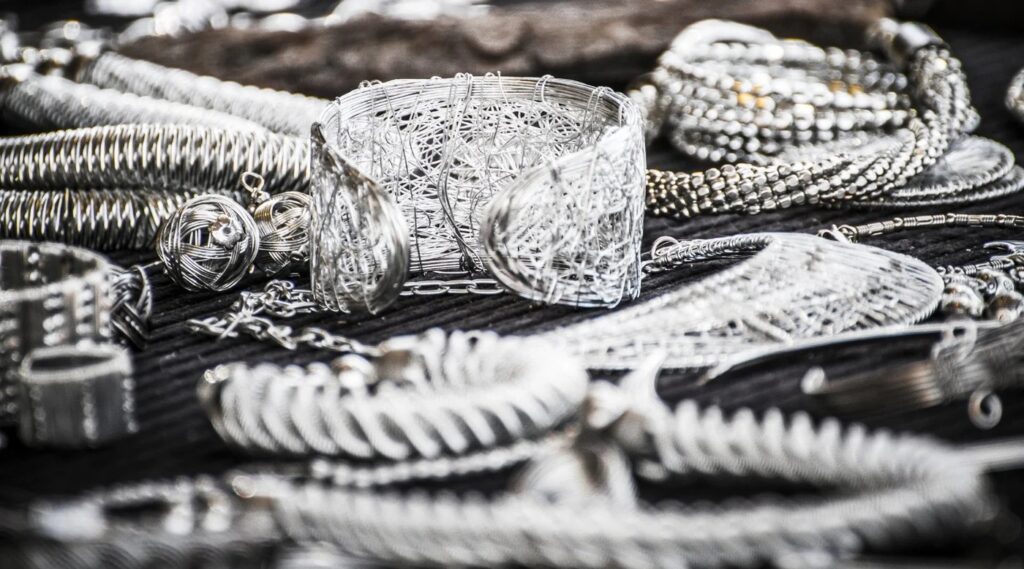
From festive rituals to long-term investments, silver has always been deeply woven into everyday life in Indian households. It appears in many forms—prayer utensils, jewellery, coins, idols, and gifts exchanged on special occasions. While buying silver, most people rely on trust, reputation, or appearance. But the big question remains: how can you be sure that the silver you already have at home is actually pure?
With the growing presence of lookalike materials such as German silver and silver-plated alloys in the market, it has become easier to get misled. These materials often look almost identical to real silver, making it difficult for the average buyer to tell the difference. The good news is that you don’t always need expensive equipment or a jeweller to get a basic idea of authenticity. By following BIS guidelines and using a few simple home-based tests, you can quickly assess whether your silver is genuine or not.
1. Start With the Official Mark: BIS Hallmark

One of the most reliable indicators of genuine silver is the hallmark. As per the Bureau of Indian Standards (BIS), authentic silver items are stamped with specific markings. These usually include the BIS logo, a purity grade such as 925, 950, or 999, and an identification mark of the hallmarking centre.
For example, a “925” stamp indicates sterling silver, meaning the item contains 92.5% pure silver mixed with small amounts of other metals for strength. If these markings are missing, the silver’s authenticity becomes questionable.
2. The Magnet Test: A Quick Reality Check
Silver is a non-magnetic metal. This simple property can help you identify adulteration within seconds.
Take a strong magnet and bring it close to the silver item. If the object gets attracted or sticks to the magnet, it likely contains metals such as iron or nickel. Genuine silver will not react to a magnet at all, making this an easy first-level test you can perform at home.
3. Ice Cube Test: Watch How Fast It Melts
Silver has exceptionally high thermal conductivity, meaning it transfers heat very quickly. This property can be tested using something as simple as an ice cube.
Place a small piece of ice on a silver coin or a flat silver utensil. If the item is real silver, the ice will begin melting almost immediately and much faster than it would on other metals or surfaces. Rapid melting is a strong sign of genuine silver.
4. Sound Test: Listen Carefully
The sound produced by silver can also reveal clues about its purity, especially in coins and solid utensils.
Gently tap a silver coin against another coin or a hard surface. Pure silver produces a clear, sharp, ringing sound that lingers for a short moment. In contrast, fake or alloyed metals create a dull or flat noise that stops almost instantly.
5. Bleach Test: A Visible Chemical Reaction
Silver naturally reacts with sulfur in the air over time, which causes it to tarnish and turn black. This same reaction can be observed quickly using bleach.
Apply a single drop of bleach to a small, hidden area of the silver item. If the spot turns black almost immediately, it indicates real silver. If there is no noticeable colour change, the item may be silver-plated or made of another metal. Be sure to rinse the item thoroughly with water after performing this test to prevent damage.
While these tests cannot replace professional laboratory testing, they offer a practical and accessible way to check the authenticity of silver at home.
Disclaimer: The information provided in this article is for general awareness only. Home tests may indicate authenticity but do not guarantee absolute purity. For precise verification and valuation, professional testing by certified experts is recommended.