How to Maintain Your CNG Vehicle: Smart Practices for Efficiency, Safety and Long-Term Reliability
How to Maintain Your CNG Vehicle: Smart Practices for Efficiency, Safety and Long-Term Reliability
Why routine care matters more in CNG vehicles than conventional fuel cars
CNG vehicles are gaining popularity due to their lower running cost, reduced emissions, and smoother engine performance. But to keep a CNG-powered car functioning at peak efficiency, regular maintenance is not just recommended — it is essential. CNG systems operate under high pressure, rely on specialised components, and function differently from petrol engines, which means proactive upkeep directly impacts performance, safety, and mileage.
Here is a detailed guide to maintaining your CNG vehicle for maximum efficiency and longevity.
Follow the Manufacturer’s Maintenance Schedule
Every CNG vehicle comes with a predefined service timeline. This is your primary roadmap for inspections and replacements. Routine service typically includes:
• Engine oil and oil filter changes
• Spark plug inspection and cleaning
• Air and fuel filter replacement
• Throttle body cleaning
Ignoring these basics can lead to sluggish pickup, higher fuel consumption, and early engine wear.

Keep the CNG Cylinder Safe and Healthy
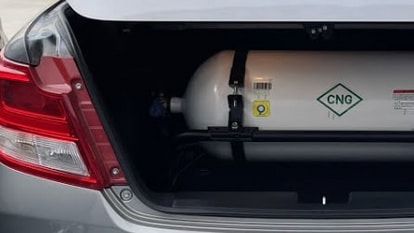
Since CNG is stored under extremely high pressure, cylinder maintenance is critical.
• Hydrostatic Testing (every 3 years): Mandatory under PESO guidelines. Ensures the cylinder can withstand pressure without leaks.
• Visual Checks: Watch for dents, rust, unauthorized modifications or repainting.
• Refuel Safely: Always refill at authorised CNG stations. Do not allow overfilling beyond 200 bar.
Cylinder safety is non-negotiable. A single fault can compromise both the vehicle and occupants.
Service the CNG Kit Regularly
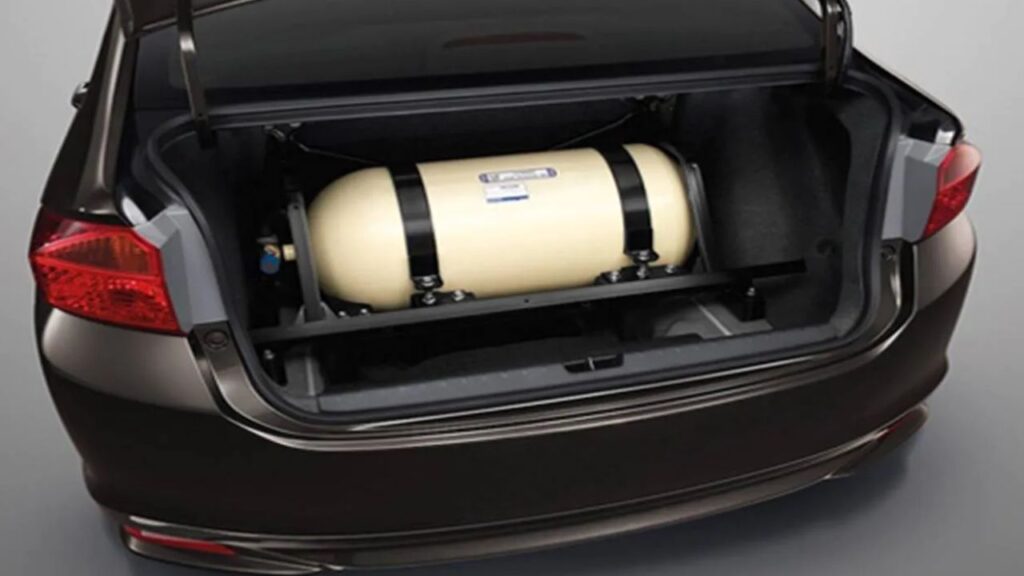
Your CNG kit includes the injector rail, ECU, reducer, piping and valves — all precision parts that manage the transition from high-pressure gas to engine combustion.
To keep the system healthy:
• Clean/replace the CNG filter every 10,000–15,000 km
• Check for gas leaks using a soap-water test
• Listen for unusual sounds during ignition
• Inspect pipes and joints for cracks or loose fittings
A neglected CNG kit leads to misfiring, backfiring, poor pickup and hazardous leaks.
Protect Your Engine from Excess Heat
CNG burns cleaner but hotter than petrol. This increases engine temperature and stresses engine parts.
Protect the engine by:
• Using CNG-compatible engine oil (synthetic or semi-synthetic)
• Keeping coolant topped up and ensuring the radiator fan works properly
• Avoiding long idling in traffic or stationary conditions
• Maintaining proper lubrication

A cool, well-lubricated engine always delivers better performance and fewer repairs.
Monitor Mileage and Performance Drops
CNG vehicles typically deliver 20–30% more mileage than petrol cars. If you notice sudden reductions in fuel economy, rough idling, or weak acceleration, possible causes include:
• Clogged injectors
• Malfunctioning spark plugs
• Low gas pressure
• Leakage in CNG pipes or joints
• Faulty reducer
Acting early prevents major repairs later.
Drive Smoothly for Better Efficiency
CNG engines respond poorly to harsh driving. For best results:
• Avoid sudden acceleration or hard braking
• Maintain steady speeds, especially on highways
• Do not overload the vehicle
• Anticipate traffic movement to reduce fuel waste
Gentle driving improves both engine life and mileage.
Maintain the Ignition System
CNG requires a higher ignition temperature, which strains spark plugs and coils.
Best practices:
• Use CNG-grade spark plugs designed for higher heat
• Replace spark plugs every 20,000–25,000 km
• Ensure ignition coils and wires are clean and undamaged
Poor ignition causes incomplete combustion, carbon buildup, and hard starting.
Follow Proper Storage Tips if Car Is Unused
If parking your CNG vehicle for several days:
• Park in a cool, shaded area to limit pressure buildup
• Turn off the manual cylinder valve
• Use a car cover to prevent dust and UV damage
• Disconnect the battery if unused for over a month
This prevents slow leaks, battery drain, and pressure fluctuations.
Run Your Car on Petrol Periodically
CNG cars are bi-fuel, yet many owners rarely use petrol mode. This can damage petrol injectors and the fuel pump.
To avoid costly repairs:
• Drive 10–15 km per week on petrol
• Start the engine in petrol mode during cold winters
• Let fuel circulate through injectors regularly
This keeps the petrol system clean and functional.
Maintaining a CNG vehicle is simple with the right habits. With periodic servicing, smart driving, and proper care of the CNG kit, you not only maximise mileage but also ensure your vehicle remains safe, smooth, and reliable for years.