Indian Railways Middle Berth Rules: When You Can Sleep And When You Must Sit
Indian Railways Middle Berth Rules: When You Can Sleep And When You Must Sit
Clear timings and passenger rights aim to ensure comfort and fair seat sharing during train journeys
Indian Railways has laid down clear rules for passengers using middle berths in sleeper and AC coaches, covering sleeping hours, seating arrangements and passenger rights to ensure a smooth travel experience.
Many passengers prefer lower berths while booking tickets, but due to availability, they are often allotted middle or upper berths. This makes it important to understand the rules that govern how and when a middle berth can be used.

Fixed Sleeping Time Rules
As per railway guidelines, sleeping on reserved berths is allowed only during specific hours. Passengers can use their berths for sleeping from 10:00 pm to 6:00 am.
During this period, middle berth passengers are allowed to open their berth and sleep without interruption.
What Happens During The Day
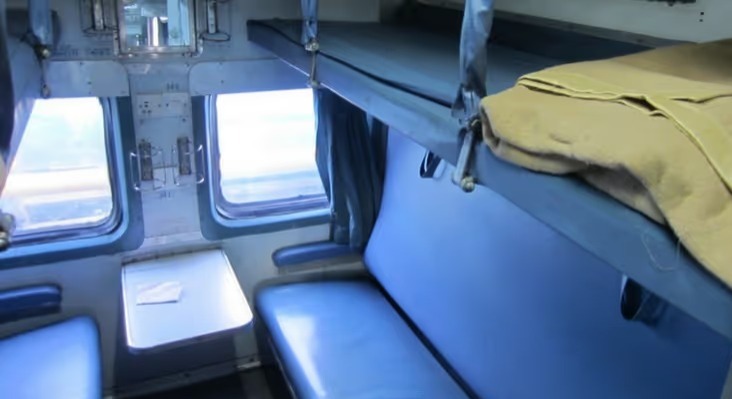
Outside sleeping hours, especially during the day, the middle berth must remain folded. This ensures that passengers on the lower berth can sit comfortably.
The rule is designed to balance comfort among all passengers sharing the same seating space.
Passenger Rights And Responsibilities
Passengers holding lower berths have the right to sit during daytime hours, and middle berth passengers cannot keep their berth open beyond the permitted sleeping time.
At the same time, travellers are advised to be considerate and cooperative, especially towards elderly passengers, pregnant women and those who may need rest due to health reasons.
What If There Is A Dispute
In case of disagreement over berth usage or timing, railway staff such as the Ticket Examiner (TTE) has the authority to enforce the rules and resolve the issue.
Passengers can approach onboard staff if they face inconvenience or if rules are not being followed.
Why These Rules Matter
The middle berth rules are meant to ensure fair use of space in shared compartments. By fixing sleeping hours and defining seating rights, the system aims to reduce conflicts and improve overall passenger comfort.
Understanding these simple guidelines can help travellers avoid unnecessary disputes and enjoy a more comfortable journey.