Is Makhana Really Healthy For You? Know This Before Overeating It
Is Makhana Really Healthy For You? Know This Before Overeating It
Fox nuts are widely promoted as a superfood, but experts warn that excess consumption and certain health conditions can turn this “healthy snack” into a problem.
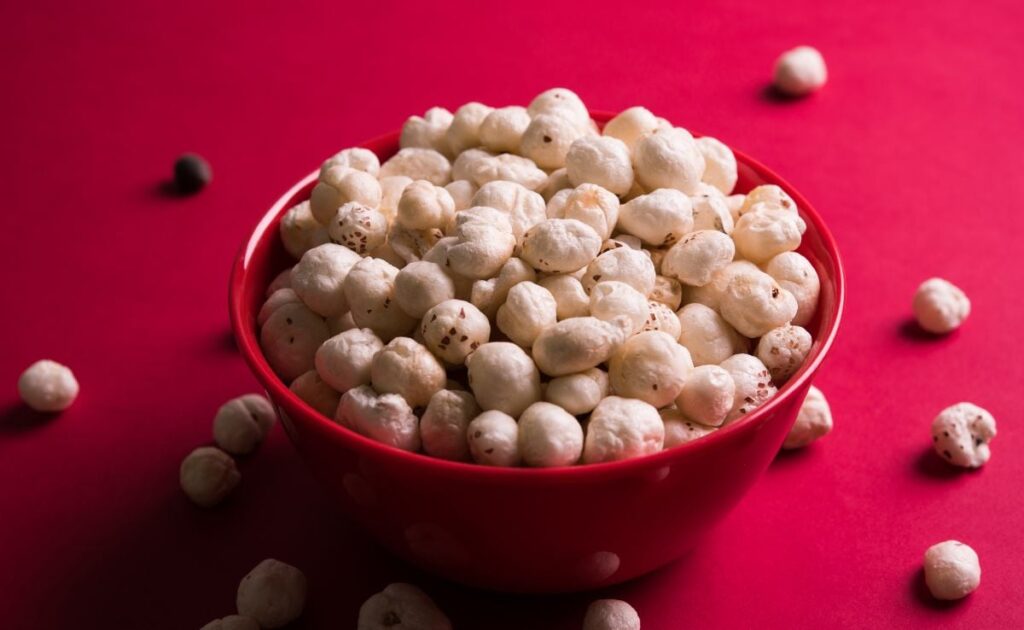
Makhana, also known as fox nuts or lotus seeds, has earned a strong reputation as a nutritious snack in Indian households. Low in fat, rich in minerals and often recommended for weight loss, diabetes control and heart health, makhana is frequently marketed as a guilt-free alternative to chips and fried snacks. However, health experts caution that makhana is not suitable for everyone, especially when consumed in excess or in flavoured, packaged forms.
Nutritionists point out that while makhana offers benefits, overconsumption can lead to digestive discomfort. Being high in fibre, eating large quantities without adequate water intake may cause bloating, gas and constipation. People with sensitive digestion, irritable bowel syndrome (IBS) or slow gut movement may experience worsening discomfort after eating large portions.

Another concern is kidney health. Makhana contains calcium and oxalates, which may contribute to kidney stone formation in individuals already prone to stones. Those with a history of kidney issues are advised to consume makhana in moderation and consult a doctor if unsure.
Diabetics are often encouraged to include makhana in their diet due to its low glycaemic index. However, experts warn that excessive intake—especially alongside diabetes medication—may cause blood sugar levels to drop too low, leading to hypoglycaemia. Portion control remains crucial.
Makhana may also affect people with low blood pressure. It has mild blood-pressure-lowering properties, which could cause dizziness or weakness in individuals already on blood pressure medication or those with naturally low BP.
Although uncommon, allergies are another potential risk. Some individuals may experience itching, rashes or breathing difficulty after consuming makhana, indicating a lotus seed allergy.
Packaged flavoured makhana is another major concern. Many store-bought varieties are roasted in ghee, butter or oil and coated with cheese, caramel or excess salt. Nutritionists say these versions can be as unhealthy as junk food, significantly increasing calorie, fat and sodium intake, and negating the benefits of plain makhana.
Despite its healthy image, makhana is still calorie-dense. Uncontrolled consumption can contribute to weight gain rather than weight loss.
Experts recommend limiting intake to about 30–40 grams per day, choosing plain roasted makhana over flavoured packs, and drinking enough water to aid digestion. Like most foods, makhana delivers benefits only when eaten in moderation and suited to individual health conditions.
Disclaimer: This article is for general awareness. Readers with medical conditions should consult a qualified health professional before making dietary changes.