Is Paying Service Charge at Restaurants Compulsory? What Indian Law Really Says
Is Paying Service Charge at Restaurants Compulsory? What Indian Law Really Says
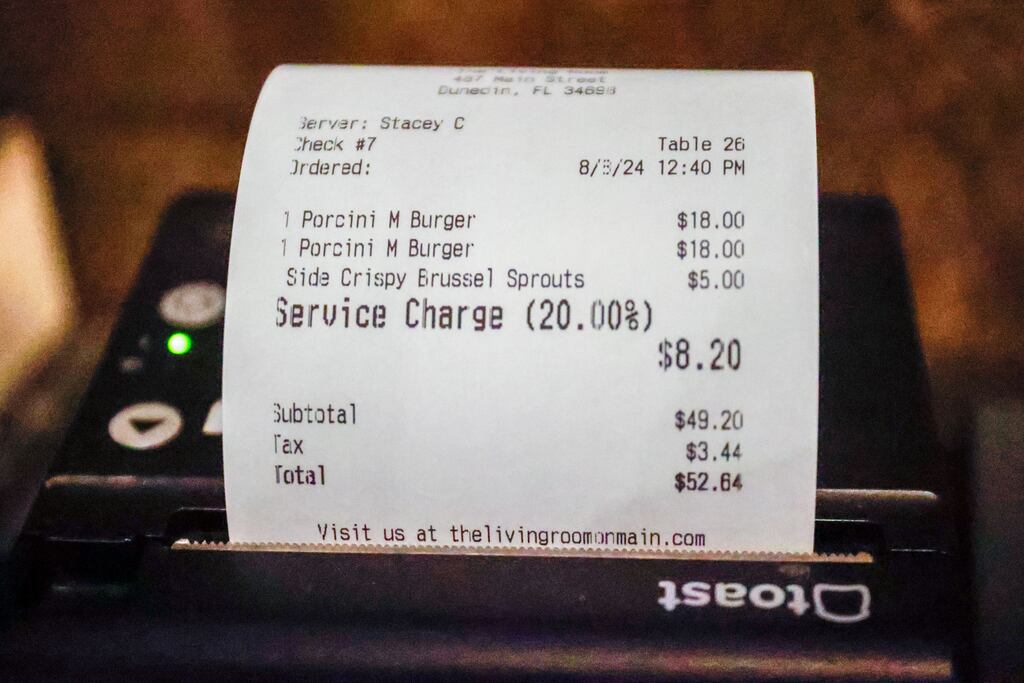
Questions around restaurant bills have once again landed in the spotlight after a well-known Mumbai eatery was penalised for adding a service charge without customer approval. Incidents like these leave many diners unsure about their rights, especially when faced with awkward conversations at the billing counter. While several people quietly pay the extra amount to avoid conflict, consumer authorities have made their position very clear: service charge payment is a choice, not an obligation.
The Central Consumer Protection Authority (CCPA) has repeatedly clarified that restaurants cannot force customers to pay a service charge. Yet, confusion continues because of inconsistent practices across establishments. Understanding what the law allows and what it does not can help diners stand their ground with confidence.
What Does “Service Charge” Actually Mean?

A service charge is an additional amount that some restaurants add to a bill, claiming it covers the service provided by their staff. This charge is not imposed by the government and should not be confused with GST or any other tax.
Most importantly, a service charge is voluntary. It works in the same way as a tip, meaning the customer decides whether to pay it and how much. Problems arise when restaurants add this charge automatically, making it seem compulsory when it legally is not.
Why the Consumer Authority Stepped In
The CCPA began taking strict action after receiving numerous complaints through the National Consumer Helpline. Many diners reported that they were unaware the service charge was optional or felt pressured into paying it.
The authority observed several concerning practices:
• Service charges were being added to bills by default
• Some restaurants used alternative names to hide the charge
• Customers were pressured or argued with when they questioned it
• In certain cases, GST was charged on top of the service charge
According to the CCPA, these actions amount to “unfair trade practices” under the Consumer Protection Act, 2019.
The Principle Behind the Government Guidelines
The reasoning behind the rules is straightforward. Menu prices already include the basic cost of food, ambience, and service. When customers order from a menu, they agree to pay the listed price along with applicable government taxes such as GST.
Any additional charge can only be collected with clear and voluntary consent. The CCPA has emphasised that a customer can judge service quality only after dining, not before placing an order. Therefore, a forced service charge violates consumer rights.
What Restaurants Are Not Permitted to Do
As per CCPA guidelines, restaurants are prohibited from the following practices:
• Automatically adding a service charge to the bill
• Collecting service charge under misleading names
• Pressuring customers or insisting the charge must be paid
• Denying entry or service if a customer refuses to pay
• Charging GST on an amount that includes service charge
If any of these happen, the practice is considered illegal.
What Restaurants Are Allowed to Do
Restaurants still have options that comply with the law:
• Accept tips or gratuities offered voluntarily by customers
• Clearly inform diners that any service charge is optional
• Include service-related costs directly in menu prices instead of adding a separate charge
Transparency is the key requirement.
The Bora Bora Restaurant Case Explained
These rules were reinforced through action taken against a Mumbai restaurant named Bora Bora. The establishment added a 10 percent service charge automatically to a customer’s bill, and GST was applied on that amount as well.
When the customer objected, the charge was not immediately removed. A formal complaint led to an investigation by the CCPA, which found that the restaurant’s billing system itself was designed to add the charge by default. This was a direct violation of the 2022 guidelines.
As a result, the restaurant operator was fined ₹50,000 and instructed to stop the practice immediately.
What Customers Can Do If a Service Charge Appears on the Bill
If a restaurant adds a service charge without consent, customers have several options:
• Ask the staff to remove the charge
• Request a revised bill without the service charge
• File a complaint if the request is refused through:
National Consumer Helpline by calling 1915
E-Daakhil Consumer Portal
The District Collector or the CCPA
The law clearly states that refusal to pay a service charge cannot be used as a reason to harass a customer or deny service.
Dining out should be about enjoying food, not negotiating your rights at the payment counter. Indian consumer law is unambiguous: service charges are voluntary, not mandatory. Knowing this empowers customers to make informed choices and encourages restaurants to follow fair and transparent billing practices. The next time a service charge appears on your bill, remember that the decision to pay it rests entirely with you.