Is Your Leftover Atta Dough Safe To Eat? Experts Explain What You Must Check First

Is Your Leftover Atta Dough Safe To Eat? Experts Explain What You Must Check First
Moist dough can spoil faster than most people realise, making safe storage more important than ever.
Reaching into the fridge and finding a steel container of saved atta is a daily routine in many homes. Kneading dough fresh every time feels tiring, especially on busy mornings. But food experts now say that leftover dough is not always harmless. Because atta dough is moist and rich in carbohydrates, it can easily become a breeding ground for microbes if it is not stored with the right precautions.
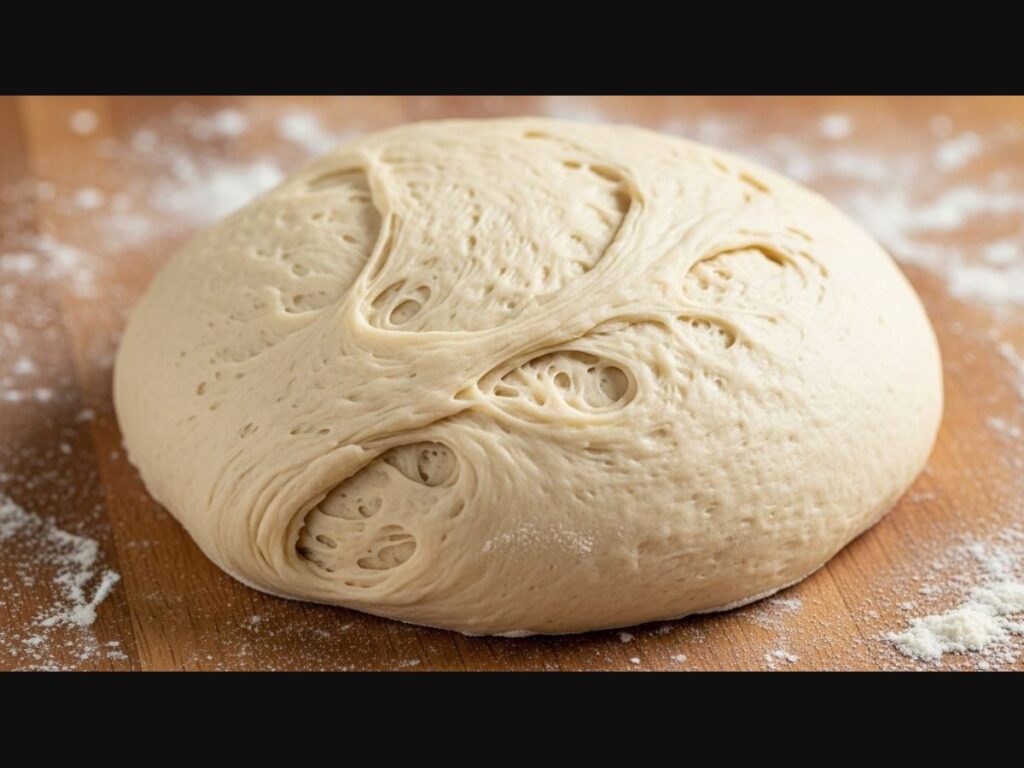
Freshly made dough always delivers softer rotis, better texture and easier digestion. However, refrigerated dough can still be used safely if handled correctly. The key is understanding how long it lasts, how to store it, and how to judge whether it has already begun to spoil.
Most specialists suggest that dough kept at room temperature should be used within two to three hours. Inside an airtight container in the refrigerator, it stays safest for about 12 to 24 hours. Beyond this period, the quality slowly declines. In the freezer, dough can last up to two months when wrapped tightly, although thawing it slowly in the refrigerator is important to maintain structure.

Before using stored dough, a quick freshness check can prevent foodborne illness. Any strong sour or unpleasant smell means the dough has begun fermenting beyond a safe point. A sticky, slimy or unusually stringy feel is another clear sign to discard it. Visible mould in white, black or green patches, or a greyish surface, also indicates spoilage. Even if dough looks normal from outside, the smell and texture often reveal what the eyes may miss.
If the dough appears slightly dry after refrigeration, it can be refreshed by adding a teaspoon of warm water and kneading gently. A thin coating of oil or ghee on the surface before storage also helps prevent dryness. Allowing the dough to rest at room temperature for 10 to 15 minutes before rolling can improve elasticity. Some home cooks prefer adding a pinch of ajwain or a drop of lemon juice if there is a faint fermented smell, although this does not fix dough that has already turned bad.
Health experts warn that dough left too long can lead to bloating, indigestion and acidity. In some cases, incorrect storage may increase the risk of food poisoning. Since gluten continues relaxing and fermenting over time, dough kept beyond 24 hours in the fridge may become difficult to digest even if it appears safe.
For those who prefer convenience, workable alternatives are available. A dry flour mix of atta, salt and spices can be kept ready and kneaded only when required. Half-cooked rotis can be frozen and reheated later. Raw rotis can also be rolled, stacked with butter paper between each layer, and frozen for later use. These methods save time while retaining freshness and flavour.
The bottom line remains simple: refrigerated dough is safe to use when stored correctly, but fresh dough will always provide better results. Spending a few extra minutes kneading daily can improve both taste and digestion, especially for families that rely on rotis every day.
Disclaimer: This article is for general information only and does not substitute professional medical advice.