Is Your Tulsi Plant Drying? It May Be a Spiritual Warning; Restore Positivity with these Preventive Measures and Remedies
Is Your Tulsi Plant Drying? It May Be a Spiritual Warning; Restore Positivity with these Preventive Measures and Remedies
What sudden wilting, blackened leaves, and stalled growth are believed to indicate and how to restore positivity.
In most Indian homes, the Tulsi plant is not just another potted herb. It is seen as a guardian of purity, prosperity, and emotional balance. That is why any sudden change in its appearance wilting, drying, blackening of leaves, or lack of new growth often sparks, concern. According to traditional beliefs in Hinduism, astrology, and Vastu Shastra, a declining Tulsi plant can signal deeper disturbances in the home’s energy field.
Many families believe that when the Tulsi suddenly dries up despite routine care, it may be reflecting spiritual imbalance, emotional unrest, or even the early signs of financial or health-related challenges. While these interpretations come from religious and cultural traditions, they continue to hold emotional significance for millions of households.
A look at what different signs are believed to mean:

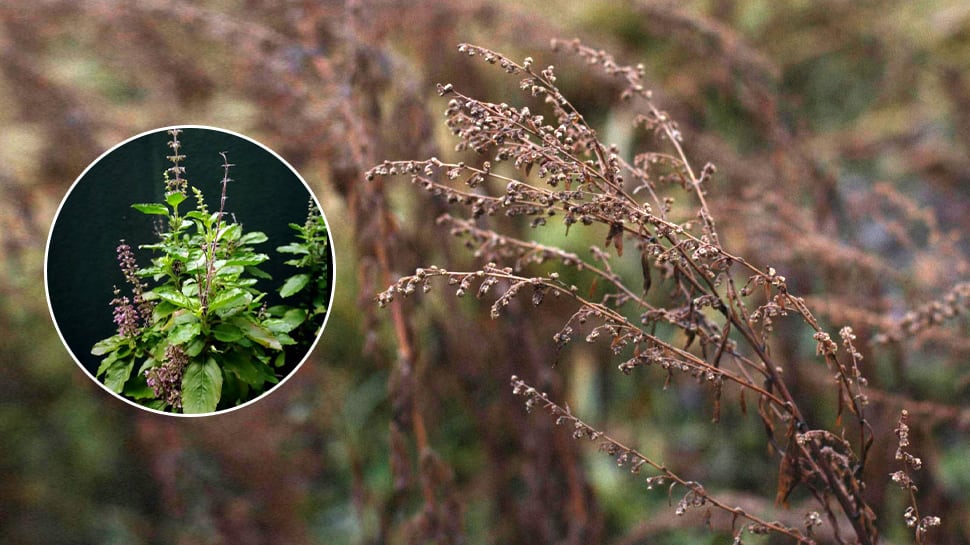
Blackened or wilted leaves
If your Tulsi leaves turn black or appear chronically limp, it is often linked to the impact of the evil eye or a negative influence entering the home. In many families, this is seen as a warning, sometimes even interpreted as trouble for the head of the household.
Repeated leaf wilting
If the plant keeps wilting even after watering, sunlight and care, it is believed to represent persistent negativity or unresolved emotional strain within the home environment.
Sudden appearance of ants
Ants gathering around the Tulsi pot is traditionally seen as a sign of a coming financial setback, unexpected expenses, or even theft. Some interpretations link it to the presence of someone harbouring ill intentions toward the family.
Lack of new growth
When the Tulsi stops sprouting new leaves, traditional belief says it may mirror obstacles in career, business delays, or stress related to children. It symbolises stagnation in prosperity.
Fading green colour
A fading or yellowing Tulsi is linked to rising conflicts, ideological differences, or a disturbed emotional atmosphere among family members.
Incorrect placement
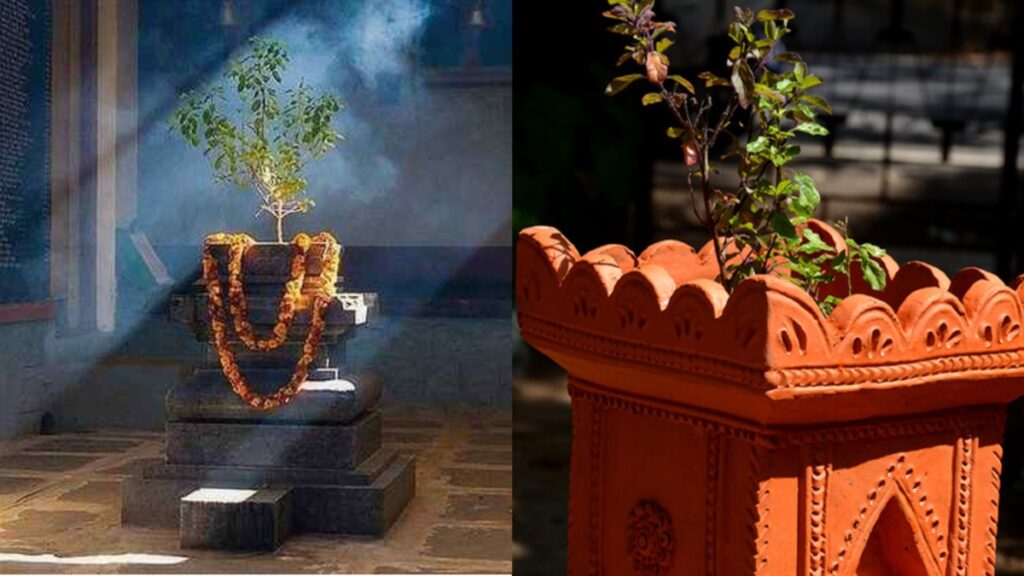
Vastu Shastra suggests placing the Tulsi in the North, East, or North-East direction. If kept in an unsuitable direction and the plant starts failing, it is believed to increase arguments, mental stress, and frequent difficulties.
If the Tulsi has already dried
According to tradition, a fully dried Tulsi should not remain inside the home for long. It is believed to hold residual negative energy.
Customary remedies include:
– Removing the dried plant respectfully
– Disposing of it in a sacred water body or burying it in clean soil
– Sprinkling Ganga water on the pot before planting a new Tulsi
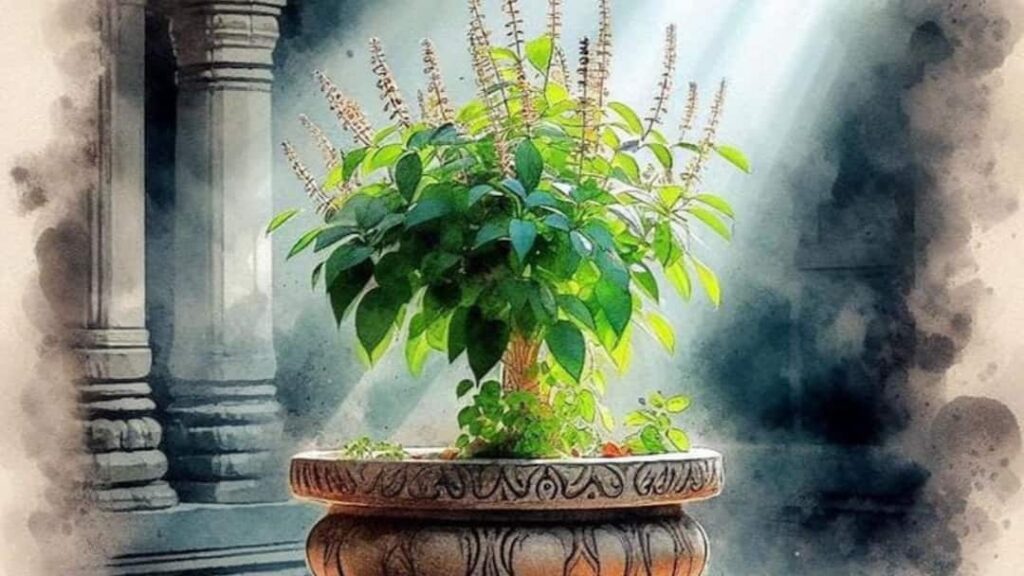
– Planting a fresh, healthy Tulsi in the same spot
– Chanting “Om Tulsyai Namah” while tending to the new plant
– Performing simple prayers or a spiritual cleansing to restore positivity
Preventive measures
Traditional guidance recommends placing the plant where it receives good morning sunlight, watering it mindfully (avoiding overwatering), and keeping the surrounding area tidy and free from objects like shoes or dustbins. Many households also light a lamp near the plant every evening and offer water as part of daily worship.
For those who follow these customs, a thriving Tulsi plant is considered a symbol of peace and harmony. Its decline, therefore, is viewed as an invitation to restore balance both in the environment and within the family.
Disclaimer: This article is based on traditional beliefs and cultural interpretations. It is intended for general information and should not be taken as scientific or medical advice.