January 14 or 15? Makar Sankranti 2026 Date Confusion: Learn Why The Festival Will Be Celebrated On This Date
January 14 or 15? Makar Sankranti 2026 Date Confusion: Learn Why The Festival Will Be Celebrated On This Date
The solar transition into Capricorn settles the long-standing confusion around January 14 versus January 15.
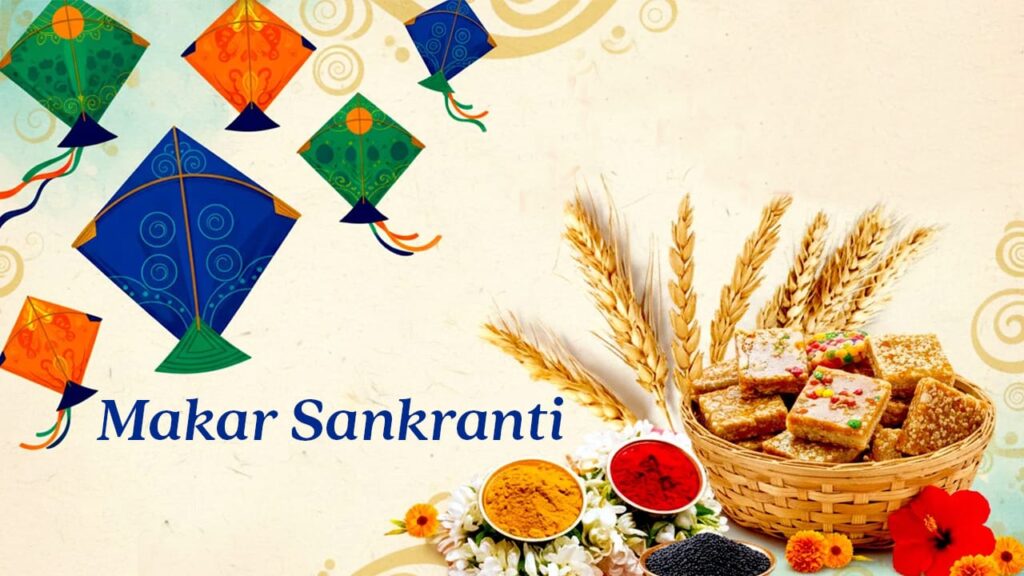
Makar Sankranti is one of the oldest and most revered festivals in Hindu tradition. Unlike most Indian festivals that follow the lunar calendar, Makar Sankranti is based on the solar cycle. It marks the moment when the Sun enters the zodiac sign of Capricorn, known as Makara, beginning its northward journey called Uttarayan. This cosmic shift is considered highly auspicious and symbolises positivity, renewal, and prosperity.
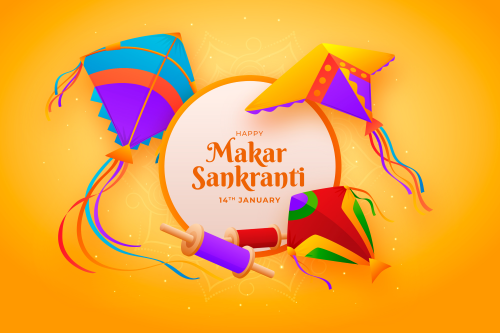
For 2026, there has been widespread confusion over whether Makar Sankranti should be celebrated on January 14 or January 15. However, the widely accepted and official date according to major Hindu calendars is Wednesday, January 14, 2026.
The reason lies in the exact timing of the Sun’s transit. In 2026, the Sankranti moment, when the Sun enters Makara Rashi, occurs at approximately 3:13 PM IST on January 14. Since this transition happens clearly within daytime hours, the festival is observed on the same day. When Sankranti falls late at night or near sunset, some rituals are shifted to the following day, but this is not required in 2026.

The auspicious period, known as Punya Kaal, begins after the Sankranti moment. This is when devotees perform holy baths, Surya Arghya (offering water to the Sun), charity, and prayers. Because the Sankranti occurs well before sunset, all major rituals and observances remain fixed on January 14.
Makar Sankranti marks the end of winter and the beginning of a new agricultural cycle. It is celebrated as a harvest festival across India and Nepal, symbolising gratitude for nature’s abundance and hope for future prosperity. The festival also signifies longer days, warmer weather, and spiritual upliftment.
Historically, the origins of Makar Sankranti go back to the Vedic period, when ancient scholars closely observed solar movements. “Makara” represents Capricorn, while “Sankranti” means transition. Together, they mark a powerful celestial change that influences seasonal and agricultural rhythms.
The spiritual significance of this day is immense. It is believed that prayers, charity, and positive actions performed on Makar Sankranti bring multiplied benefits. The festival is associated with purity, rejuvenation, and fresh beginnings.
On this day, devotees across India follow several sacred traditions. Many take an early morning ritual bath in rivers or at home, symbolising spiritual cleansing. Surya Puja is performed by offering water mixed with rice grains and flowers to the rising Sun. Charity plays a central role, with donations of sesame seeds, jaggery, grains, blankets, utensils, and ghee considered especially meritorious.
Makar Sankranti is also celebrated differently across regions. In Gujarat and Rajasthan, it is marked by vibrant kite-flying festivals. In Tamil Nadu, it is celebrated as Pongal, a multi-day harvest festival. In Assam, it is known as Magh Bihu, while in Bengal it is celebrated as Poush Parbon. Despite these variations, the spiritual core remains the same gratitude, renewal, and harmony with nature.
Some traditional calendars calculate ritual timings differently using local sunrise or sunset references. That is why in certain years, some communities observe rituals on January 15. But in 2026, since the solar transition happens in the afternoon of January 14, there is no practical or religious reason to shift observances to the next day.
Therefore, the officially accepted and nationally recognised date for Makar Sankranti in 2026 remains January 14. This date aligns with astronomical calculations, major panchangs, and traditional practice.
Makar Sankranti 2026 arrives as a reminder of balance between science, spirituality, and tradition. It reflects how ancient knowledge of astronomy continues to shape modern religious observances, connecting humanity to cosmic rhythms and natural cycles.
Disclaimer: This article is based on traditional Hindu calendar calculations and cultural beliefs. Ritual practices and observance timings may vary slightly across regions and communities.