Jim Corbett National Park: A Pillar of India’s Wildlife Conservation Legacy
Jim Corbett National Park: A Pillar of India's Wildlife Conservation Legacy
Nestled in Uttarakhand, Jim Corbett National Park is a testament to India’s dedication to preserving its natural heritage, offering a captivating blend of wilderness and scenic beauty.
Jim Corbett National Park, originally established as Hailey National Park in 1936, holds the prestigious title of India’s first national park. Renamed after the famous hunter-turned-conservationist Jim Corbett, the park has been a cornerstone in India’s conservation efforts, playing a significant role in wildlife preservation. Here are ten reasons why this park is celebrated as an iconic destination:
India’s First National Park

Jim Corbett National Park was the first of its kind in the country, setting the stage for India’s national conservation movement. It was later renamed to honor Jim Corbett, who was instrumental in advocating for wildlife protection, especially for tigers.
Legacy of Jim Corbett
Jim Corbett’s transformation from a hunter to a passionate conservationist left an indelible mark on wildlife protection in India. His efforts and writings played a key role in raising awareness about the plight of endangered species, particularly tigers.
The Ramganga River: Lifeline of the Park
The Ramganga River flows through the heart of the park, providing essential water resources for its diverse wildlife. It also enhances the park’s natural beauty, with its banks frequently visited by elephants, tigers, and other animals.
A Birdwatcher’s Paradise
With over 600 species of resident and migratory birds, Jim Corbett is a haven for birdwatching enthusiasts. Iconic birds like the Great Hornbill, crested serpent eagle, and various species of kingfishers and woodpeckers can be spotted.
Focus on Sustainable Tourism
The park attracts thousands of visitors each year, including nature lovers, photographers, and wildlife enthusiasts. Its management emphasizes sustainable tourism practices, ensuring that the environment remains pristine while providing memorable experiences.
Diverse and Picturesque Landscape
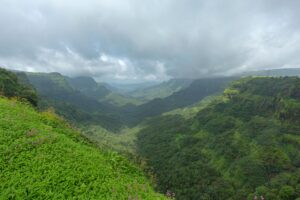
Jim Corbett National Park boasts a varied terrain, including hills, dense forests, grasslands, marshes, and the Ramganga River. This rich landscape not only supports a diverse ecosystem but also offers breathtaking views for nature photography.
A Bengal Tiger Sanctuary
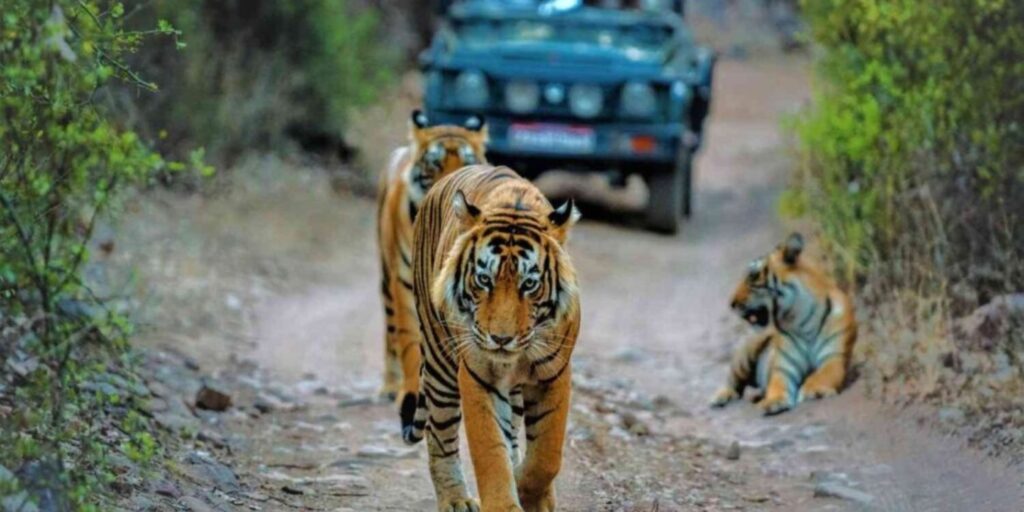
One of the top attractions is the chance to see Bengal tigers in their natural habitat. Jim Corbett is a vital part of India’s tiger conservation efforts, making it a must-visit for wildlife enthusiasts hoping to witness these majestic creatures.
Project Tiger Pioneer
As the first national park to be included in Project Tiger, Jim Corbett played a crucial role in India’s tiger conservation program, which began in 1973. The park remains an important stronghold for the species.
Exciting Safari Experiences
Visitors can embark on thrilling jeep safaris through the park, providing opportunities to spot a variety of animals, from tigers to elephants and deer. Bird-watching tours and nature walks also allow for close encounters with the park’s rich biodiversity.
Rich Wildlife Diversity
Apart from tigers, Jim Corbett is home to an impressive range of wildlife, including leopards, elephants, Himalayan black bears, and deer. This remarkable diversity ensures that each visit offers a unique and exciting experience.
Jim Corbett National Park is more than just a wildlife sanctuary; it symbolizes India’s commitment to conserving its rich biodiversity, making it an essential destination for nature and wildlife enthusiasts alike