Just Chill: Coldest Places in India Where Winter Pushes Temperatures Below Freezing Point
Just Chill: Coldest Places in India Where Winter Pushes Temperatures Below Freezing Point
From frozen lakes to snow-covered towns, these destinations witness extreme cold every winter.
As winter tightens its grip across northern India, several destinations experience temperatures so low that daily life slows down and landscapes transform into sheets of snow and ice. While these places draw tourists seeking snowfall and winter adventure, the harsh cold also brings challenges for residents, infrastructure and travel.
High-altitude regions in the Himalayas are among the coldest in the country, with sub-zero temperatures becoming routine during peak winter months. In many of these areas, water bodies partially or completely freeze, roads remain blocked for days, and movement is restricted after sunset due to biting cold.
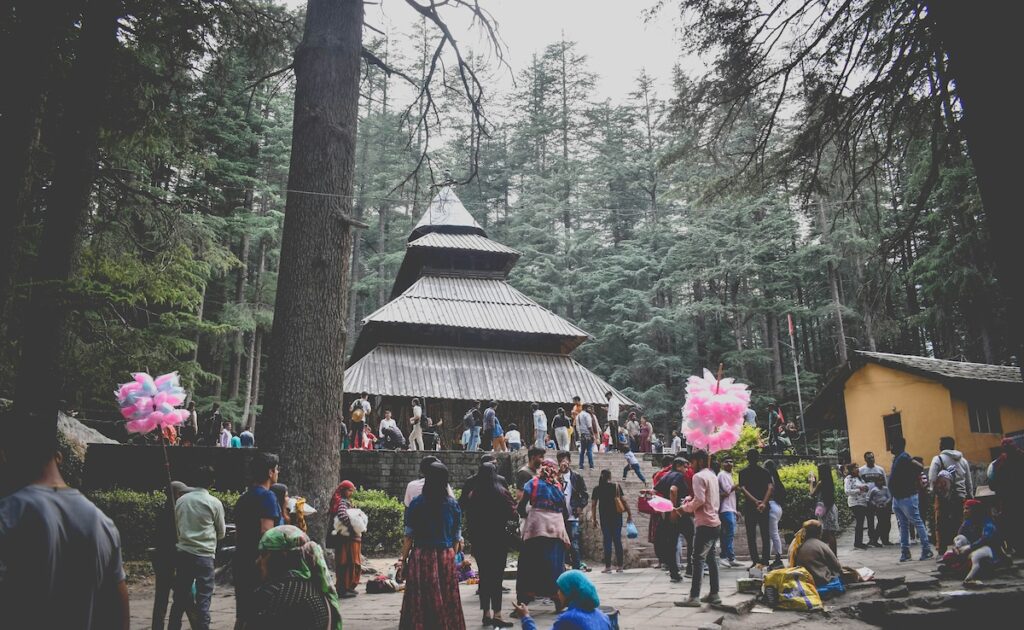
Manali in Himachal Pradesh is one of the most popular winter destinations. Known for its heavy snowfall, the town often records temperatures well below zero at night. During cold waves, snow blankets rooftops, roads and forests, making it a magnet for tourists but also leading to traffic disruptions and power outages.

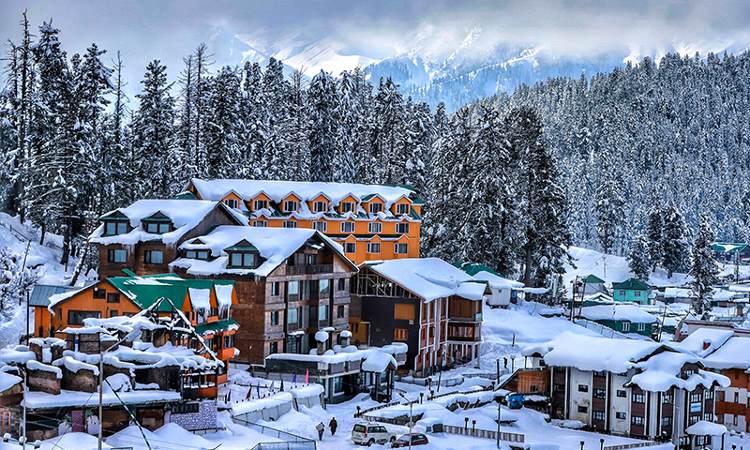
Further north, Gulmarg in Jammu and Kashmir experiences some of the coldest conditions in the region. Night temperatures drop sharply, and outdoor movement becomes difficult after dark. The extreme cold impacts daily routines, with residents relying heavily on heating and layered clothing to cope.
Drass, also in Jammu and Kashmir, is widely regarded as one of the coldest inhabited places in India. Winter temperatures here plunge drastically, affecting both civilians and military personnel stationed in the region. Life continues, but under constant adaptation to freezing conditions and limited daylight activity.

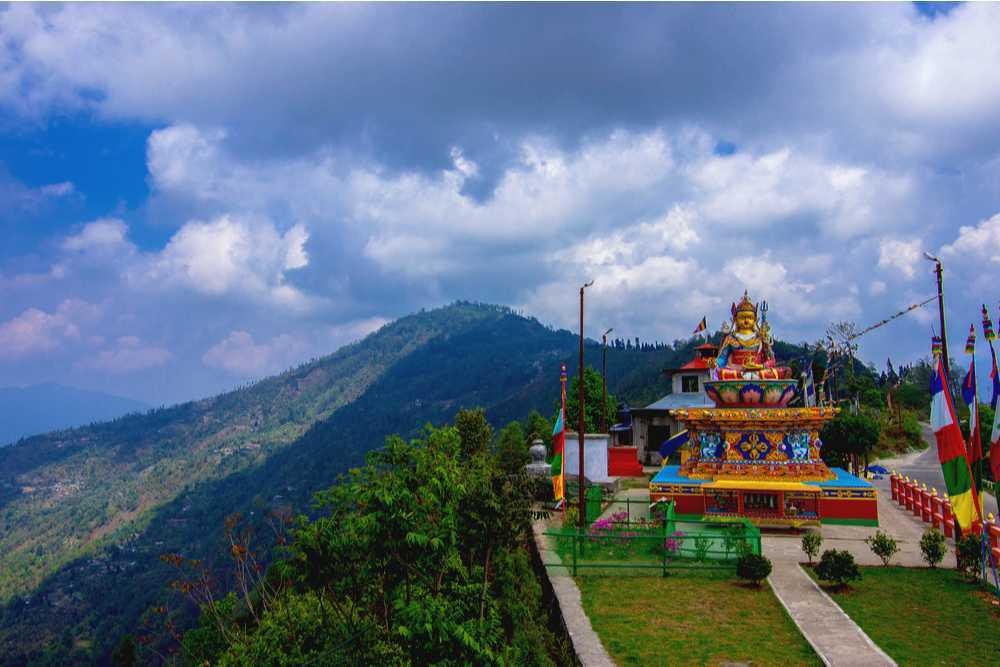
Gangtok in Sikkim presents a different winter pattern. While daytime temperatures remain moderate, evenings and nights become extremely cold. Weather conditions can change quickly, and snowfall in surrounding areas often affects connectivity to nearby towns and tourist routes.
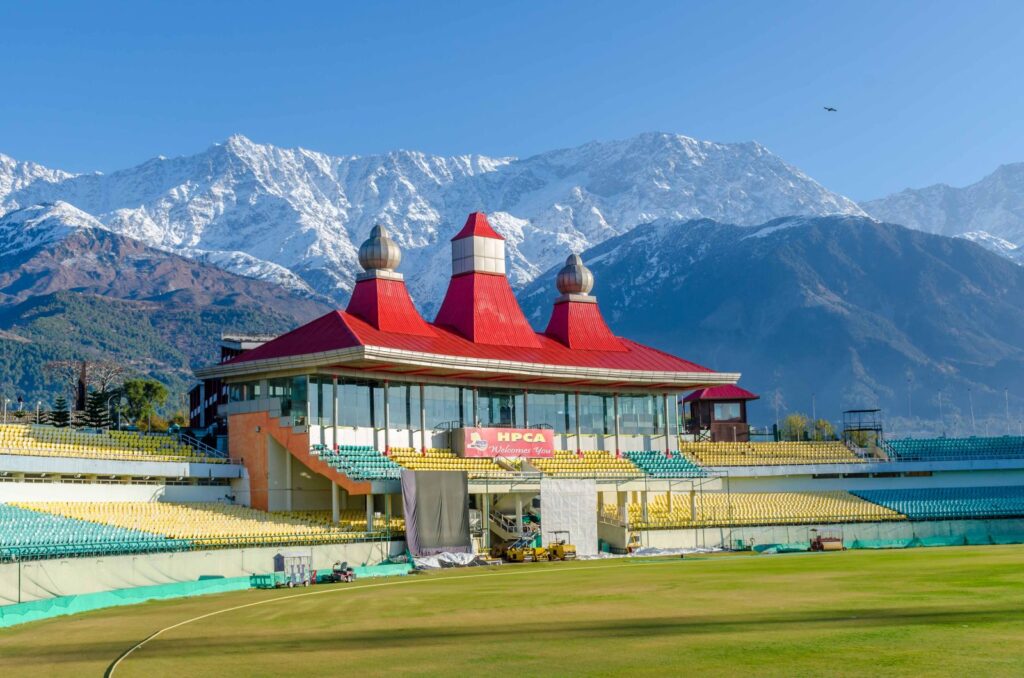
Dharamshala and nearby high-altitude villages also face intense winter chills. Fog, frost and icy winds are common, and residents report difficulties in commuting and maintaining regular work schedules. Cold waves frequently lead to school closures and advisories for limited outdoor exposure.

In Ladakh, winter is especially severe. Many lakes partially freeze, and temperatures fall to extreme lows. Local communities prepare months in advance, stocking supplies and insulating homes to endure the prolonged cold season.

Darjeeling and Kalimpong in West Bengal experience cold winters too, though snowfall is less frequent. Dense fog, sharp temperature drops and cold winds make mornings and nights particularly harsh, affecting tourism and transport.
While these destinations offer breathtaking winter views and unique travel experiences, authorities regularly advise visitors to plan carefully, monitor weather updates and follow safety guidelines. For residents, winter remains a season of resilience, marked by adaptation to nature’s harshest conditions.