LPG Crisis Intensifies: Gas-Laden Tankers from Four Countries Head Toward India as Domestic Production Rises 10% Under Government’s “Plan B”
LPG Crisis Intensifies: Gas-Laden Tankers from Four Countries Head Toward India as Domestic Production Rises 10% Under Government’s “Plan B”
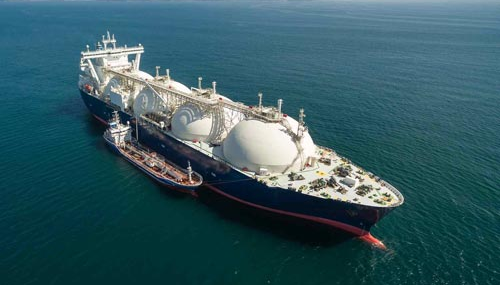
Escalating tensions in West Asia have sent shockwaves through global energy markets, creating disruptions in both oil and gas supply. India, facing the risk of an LPG shortage, has swiftly responded by implementing its “Plan B” to ensure uninterrupted access to cooking gas across the country. Additional shipments of LNG and LPG from nations such as Australia, Canada, and Algeria are already on their way to Indian ports.
To stabilize domestic supply, the government has taken decisive action. Reports confirm that Indian refineries including IOCL, BPCL, and HPCL have ramped up LPG production by 10%, ensuring that households across the country will not face shortages or long queues for cylinders.
India has historically relied on Qatar (42%) and the UAE (11%) for its LPG imports. However, with the potential for route disruptions due to geopolitical instability, the government has diversified its sourcing. New shipments are being arranged from Australia, Canada, Norway, and Algeria to supplement the supply chain. Additionally, temporary restrictions on commercial LPG consumption have been introduced to prioritize domestic consumers.

Amid ongoing global conflicts and trade tensions, India has strategically diversified its import sources to reduce dependency on Gulf nations. Under “Plan B,” LPG and LNG cargoes are being sourced from alternative countries while domestic production has been boosted by 10%. A dedicated committee of executive directors from IOCL, BPCL, and HPCL continues to closely monitor supply and demand dynamics to prevent any disruptions.
Hotels, restaurants, and other non-essential businesses may experience limited impact due to the ongoing crisis. However, the government has made it clear that household LPG supply remains the highest priority. Stringent measures have been implemented to prevent hoarding by commercial establishments, and officials are maintaining continuous oversight of cylinder distribution across the country.
The ongoing conflicts involving the United States, Israel, and Iran have intensified instability in global oil markets, and ordinary citizens in India are already beginning to feel the effects. Disruptions in energy flows have further complicated the LPG situation, prompting the government to enforce restrictions on commercial use while ensuring sufficient supply for households. Senior officials have confirmed that, in response to mounting concerns, IOCL, BPCL, and HPCL have collectively increased domestic LPG output by 10%.