LPG vs Induction: Which Cooking Method Is Cheaper And More Efficient For Indian Homes?
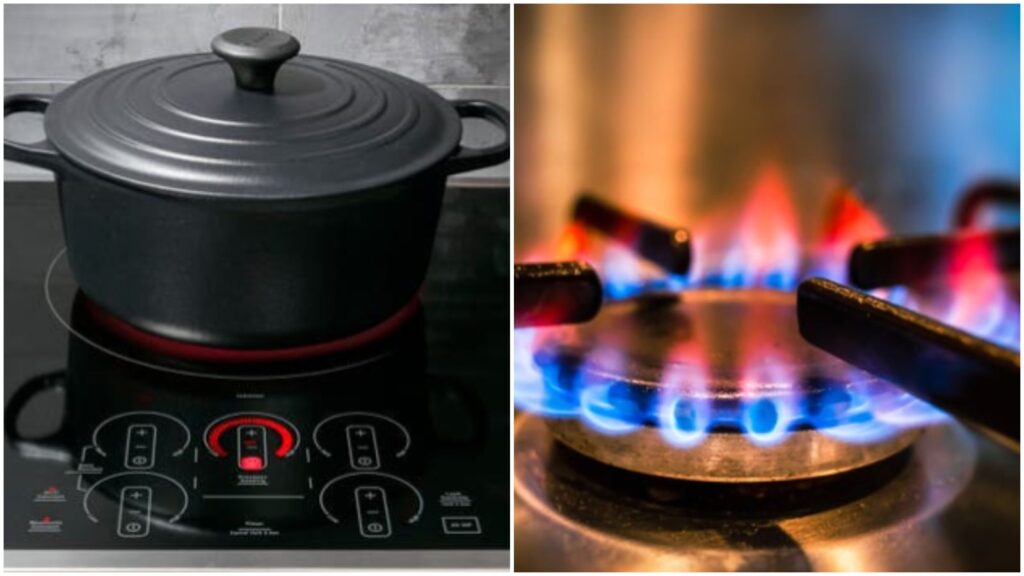
LPG vs Induction: Which Cooking Method Is Cheaper And More Efficient For Indian Homes?
Choosing the most cost-effective and efficient way to cook has become a priority for many households, especially with rising fuel prices and frequent LPG shortages. Both LPG (liquefied petroleum gas) and induction cooking have their advantages, but understanding their efficiency and overall costs can help families make informed decisions.
Efficiency of LPG Cooking
Traditional gas stoves are widely used due to their convenience and fast heating. However, they are not very efficient when it comes to energy use. Around 60% of the heat from a gas flame escapes into the surrounding air, which means only about 40% of the energy paid for actually goes into cooking the food. This loss contributes not only to higher fuel consumption but also to a warmer kitchen environment.

Efficiency of Induction Cooking
Induction stoves work differently. They use electromagnetic fields to heat the cookware directly, which minimizes energy lost to the surrounding air. As a result, induction cooking can reach an efficiency of up to 90%. This means more of the energy consumed is converted into actual cooking, making it a highly efficient alternative to gas.
Cost Comparison
To match the amount of usable heat from a full LPG cylinder, an induction stove typically consumes around 78 units of electricity. Assuming a residential electricity rate of 8 per unit, the total cost would be approximately 624. Compared to the frequent purchase of LPG cylinders, induction often proves to be cheaper in the long run, even if electricity rates fluctuate.
Initial Investment for Induction
Switching entirely to induction cooking requires some upfront costs. A good-quality induction cooktop generally ranges between 2,000 and 4,000, which is comparable to mid-range gas stoves. In addition, induction requires compatible cookware, such as stainless steel or cast iron pans with flat bottoms. Purchasing a complete set of these pans can cost several thousand rupees, adding to the initial expense.
Long-Term Benefits
Despite the initial investment in equipment and cookware, induction cooking offers significant savings over time. Families often recover their investment within a year due to lower daily running costs. Beyond savings on fuel, induction stoves keep kitchens cooler and are easier to clean, reducing both ventilation needs and labor associated with kitchen maintenance.
While LPG stoves are convenient and familiar, their lower efficiency makes them more expensive over time. Induction stoves, despite requiring an upfront investment in appliances and cookware, provide higher energy efficiency, cost savings, and a cleaner, more comfortable kitchen environment. For households looking to balance efficiency with long-term affordability, induction cooking emerges as a practical and sustainable choice.
Note: This article is for informational purposes only. Actual costs and experiences may vary depending on individual usage, local electricity rates, and personal preferences.