Maharashtra Govt Issues SOPs To Protect Amid Rising Heatwave Risks
Maharashtra Govt Issues SOPs To Protect Amid Rising Heatwave Risks
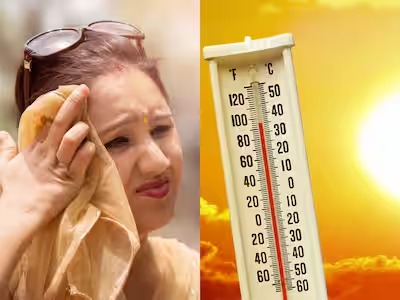
Mumbai, April 16, 2026: The Maharashtra government has rolled out a comprehensive set of Standard Operating Procedures (SOPs) to safeguard outdoor and informal workers in urban heat-risk districts as temperatures continue to rise across the state.
The guidelines, issued under the direction of Disaster Management Minister Girish Mahajan, aim to reduce heat exposure, improve workplace safety, and strengthen medical preparedness in vulnerable regions.
Revised Work Timings Introduced
A key measure in the SOPs is the rescheduling of outdoor work hours to avoid peak heat periods. Workers are advised to operate between 6 am and 11 am and from 4 pm to 8 pm during heat alerts. Mandatory rest breaks have also been enforced between 12 pm and 4 pm during orange and red alerts.

District administrations and urban local bodies have been instructed to implement these changes across sectors such as construction, street vending, and industrial work.
Focus on Women Workers’ Safety
The SOPs place special emphasis on improving safety for women workers. Authorities have been directed to ensure better lighting at worksites, provide transport facilities, and create safer working environments, addressing vulnerabilities faced by women in informal sectors.
High-Risk Districts Identified
The measures come as Maharashtra remains among the most heat-vulnerable regions in India. As per the State Heat Action Plan, 15 districts—including Latur, Nagpur, Chandrapur, Jalgaon, Dhule, and Nanded—have been identified as highly susceptible to extreme heat. The SOPs will apply across municipal corporations, councils, and nagar panchayats in these areas.
Water, Shade and Cooling Measures
To combat heat stress, authorities have been directed to install drinking water booths at key locations such as markets, transit hubs, and vending zones. Distribution of ORS and electrolyte sachets will be carried out through health centres and NGOs.
Public parks and gardens will remain open during peak afternoon hours, while temporary shaded shelters will be set up in high-footfall areas. Long-term urban planning measures include tree plantation, reflective surfaces, and cooling systems.
Boost to Medical Preparedness
The SOPs also focus on strengthening healthcare response. Primary and urban health centres will be stocked with essential supplies, including ORS and IV fluids. Healthcare workers will be trained to identify and treat heat-related illnesses, while ambulances will be strategically deployed in high-risk zones.
New Disaster Management Centre Planned
In a parallel move, the state government has announced plans to establish a disaster management training and research centre in Nagpur at an estimated cost of ₹184 crore. The centre will focus on research and training related to extreme heat and sustainable cooling solutions.
The SOPs are part of the state’s broader strategy to minimise health risks and improve resilience against increasing heatwave events.