Muhurat Maze : The increase in scheduled deliveries by would be mothers amid Ayodhya’s grand celebration
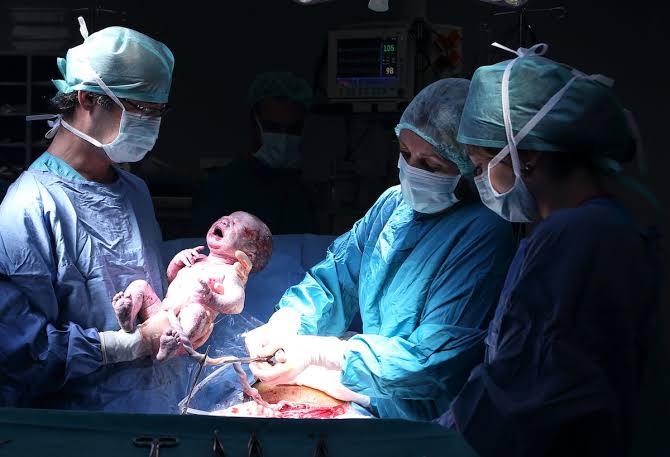
Muhurat Maze : The increase in scheduled deliveries by would be mothers amid Ayodhya's grand celebration
As the nation eagerly anticipates the consecration ceremony of Ram Lalla at the Ayodhya temple on January 22, a unique trend is gaining traction among expectant parents – the desire for ‘Muhurat deliveries.’ It is believed that babies born on this auspicious day will inherit the divine qualities of Lord Rama, creating a fervour among families seeking a celestial touch to their child’s birth.
However, this trend raises important questions about the intersection of cultural beliefs and medical science. While the spiritual significance of a Muhurat delivery is deeply ingrained in tradition, healthcare professionals emphasize the importance of allowing childbirth to follow its natural course. Driven by the belief that certain birth times positively influence a baby’s personality and spirituality, expectant mothers often consult priests for auspicious dates, leading to requests for scheduled deliveries.
Despite the cultural significance, medical experts stress the importance of understanding that childbirth is a natural process that should unfold on its own. A baby’s development within the womb requires around 39 weeks, allowing vital organs like the brain, lungs, and liver to mature adequately. Scheduling Caesarean section deliveries on specific days or times contradicts the principles of natural birthing recommended by healthcare providers.

In response to this trend, some hospitals have made special arrangements to accommodate Muhurat delivery requests, acknowledging the cultural sentiments associated with this practice. However, other medical professionals and facilities are cautious about overburdening healthcare facilities and the potential risks posed to both mothers and infants.
While the nation prepares for the grand celebration in Ayodhya, this unique trend reflects the delicate balance between cultural traditions and modern medical practices. The quest for an auspicious birth during the historic consecration ceremony prompts families to navigate the Muhurat maze, seeking a harmonious blend of tradition and healthcare expertise.
As the sun’s northward movement into Capricorn (Makar) marks this significant period, the convergence of cultural beliefs and medical science continues to shape discussions around Muhurat deliveries. In the midst of Ayodhya’s grand celebration, expectant parents find themselves grappling with the age-old question – to schedule or not to schedule – as they strive to imbue their child’s birth with divine blessings while adhering to the principles of modern medicine.
In the words of a prominent healthcare professional from Mumbai, “We must strike a balance between cultural beliefs and medical wisdom. While tradition adds a spiritual dimension, we must prioritize the health and well-being of both mothers and infants, allowing childbirth to unfold naturally.”
As families seek the perfect cosmic alignment for their child’s birth, the journey through the Muhurat maze becomes a testament to the intricate dance between tradition and contemporary healthcare practices.