Mumbai Hospitals Must Start Emergency Treatment Within 30 Minutes: BMC Issues Strict Rules
Mumbai Hospitals Must Start Emergency Treatment Within 30 Minutes: BMC Issues Strict Rules
New casualty protocol introduced after reports of patient neglect; doctors warned of action if guidelines are not followed.
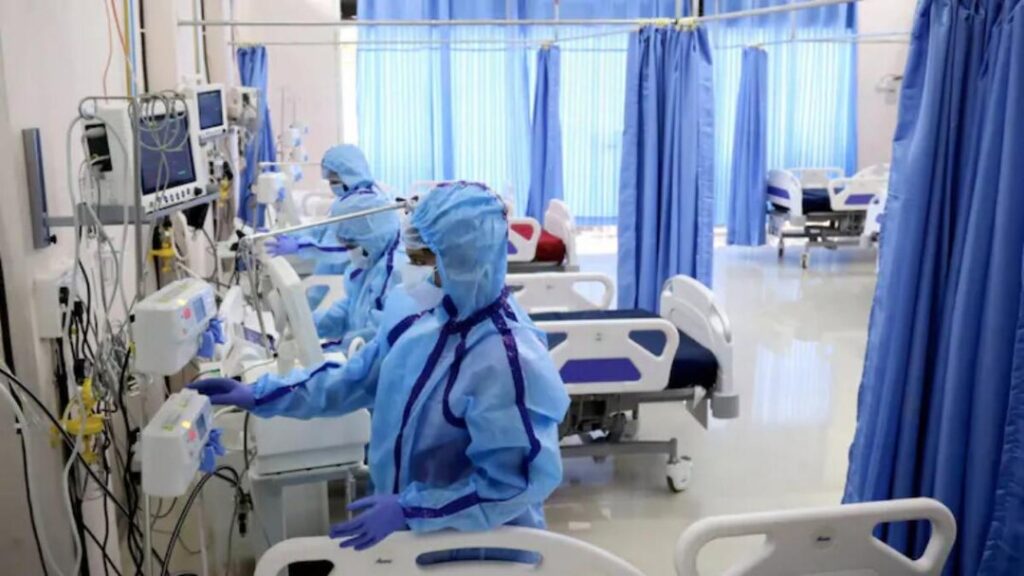
The Brihanmumbai Municipal Corporation (BMC) has introduced strict new rules for municipal hospitals, making it mandatory to examine and begin treatment of patients arriving at emergency departments within 30 minutes.
The directive has been issued after several complaints surfaced about patients being kept waiting for long periods or being shifted to other hospitals without receiving proper treatment.

Mandatory 30-Minute Treatment Rule
According to the new protocol, every patient arriving at the casualty or emergency department must first be examined by the medical officer on duty. After the initial examination, the patient’s condition will be assessed by the concerned registrar or postgraduate assistant medical officer.
The BMC has made it clear that patients should not be made to wait for more than 30 minutes before treatment begins. The civic administration has also warned that strict action will be taken against doctors or hospital staff who fail to follow the guidelines.
Rules For Handling Critical Patients
The circular issued by the BMC health department states that critically ill patients must first be stabilised before they are sent for further tests or transferred to another hospital.
Doctors must also immediately register the patient and begin treatment as per admission protocols. Investigations such as X-ray, ultrasound, CT scan or MRI can be conducted only after the patient’s condition is stabilised.
In addition, trainee doctors will not be allowed to treat patients independently without the supervision of a senior doctor.
Strict Guidelines For Medico-Legal Cases
The new rules also include clear instructions for handling medico-legal cases (MLC). Hospital staff must maintain detailed records including the patient’s name, age, address, MLC number and the details of the person who brought the patient to the hospital.
Casualty medical officers are also required to record their duty timings and handover details in the MLC register.
Patient Transfer Protocol
The BMC has also introduced strict procedures for transferring patients to other hospitals.
Before any transfer takes place, the patient must first be registered and given initial treatment. A detailed transfer note must also be prepared mentioning the patient’s medical history, vital signs, provisional diagnosis, treatment provided and the reason for transfer.
Patients can be shifted only through ambulances equipped with oxygen, essential medicines and resuscitation equipment, and the patient must be accompanied by a house officer, registrar or postgraduate medical officer.
Reason Behind The Decision
The decision comes after several cases of lapses in municipal hospitals came to light in recent months.
In one such incident, a 62-year-old woman with a serious head injury had to be shifted from Balasaheb Thackeray Trauma Care Municipal Hospital to Dr R N Cooper Hospital after the CT scan facility was found to be non-functional.
Following such incidents, the BMC health department decided to introduce stricter emergency protocols to ensure that patients receive timely medical attention and are not left waiting in casualty wards.