Naturally Or Chemically Ripened? Here’s How To Identify Bananas And Stay Safe
Naturally Or Chemically Ripened? Here's How To Identify Bananas And Stay Safe
A viral video claiming to show the difference between naturally and chemically ripened bananas has reignited discussions on food safety. While experts say appearance alone cannot always confirm how a fruit was ripened, the Food Safety and Standards Authority of India (FSSAI) has issued clear guidelines on safe ripening practices.
By Vidhi Lalla
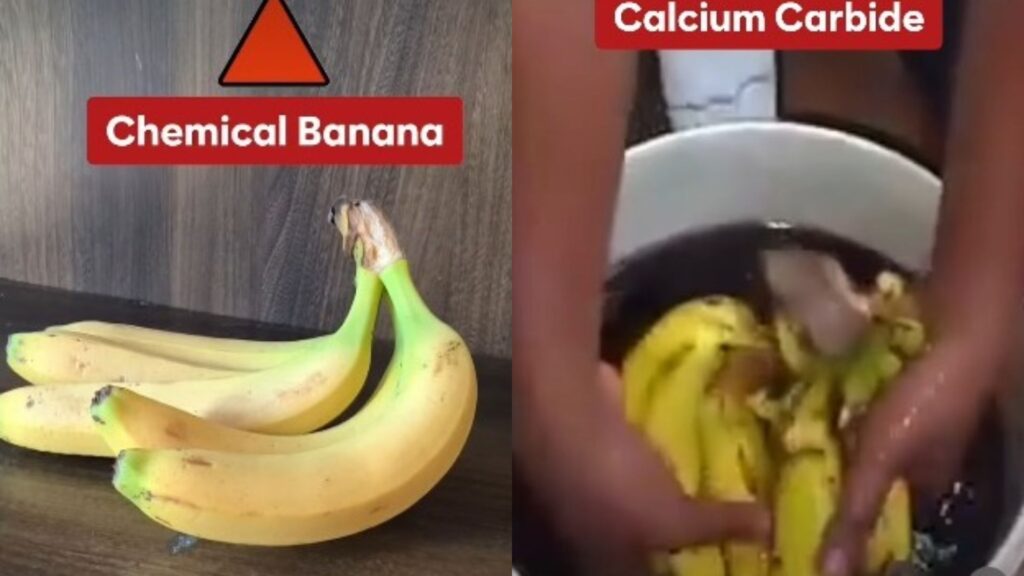
Pune: A health-related video circulating on social media has caught the attention of millions after a content creator explained how consumers can identify naturally ripened bananas from those that may have been artificially ripened.

The video highlights differences in colour, texture and ripening patterns, prompting many consumers to question whether the bananas they buy are safe to eat. While visual signs may offer clues, food experts caution that appearance alone cannot conclusively determine whether a banana has been chemically ripened.
What does FSSAI say?
The Food Safety and Standards Authority of India (FSSAI) prohibits the use of calcium carbide for ripening fruits under the Food Safety and Standards Regulations, as the chemical may contain traces of arsenic and phosphorus that can pose health risks.
Instead, FSSAI permits the controlled use of ethylene gas, a naturally occurring plant hormone, for artificial ripening under regulated conditions. Ethylene accelerates the fruit’s own natural ripening process and is considered safe when used according to prescribed standards.
According to FSSAI guidelines, bananas can be exposed to ethylene gas for 24-28 hours at a ripening temperature of 15°C-18°C with 90-95% relative humidity inside approved ripening chambers.
How to identify naturally ripened bananas
Experts say naturally ripened bananas generally show these characteristics:
- The peel develops a uniform yellow colour with occasional brown speckles.
- The stem (crown) gradually darkens as the fruit matures.
- The fruit ripens evenly from the inside out.
- The banana has a stronger natural aroma.
- The flesh remains sweet, creamy and evenly textured.
Signs that may indicate chemically ripened bananas
Although no single sign is conclusive, consumers should be cautious if they notice:
- Bright yellow peel but green stem or green tips.
- Uneven colouring with patches of green and yellow.
- Hard fruit despite a fully yellow peel.
- Little or no natural banana fragrance.
- Fruit that ripens unusually quickly or spoils soon after purchase.
Experts note that these signs are only indicators and do not always confirm the use of banned chemicals.
Why calcium carbide is banned
Unscrupulous traders sometimes use industrial-grade calcium carbide to release acetylene gas, which speeds up ripening. However, the chemical may contain harmful impurities such as arsenic and phosphorus.
Exposure has been linked to symptoms including:
- Headache and dizziness
- Nausea and stomach irritation
- Diarrhoea and abdominal discomfort
- Skin and eye irritation
- Breathing difficulties due to chemical fumes
Children, pregnant women, elderly people and those with respiratory illnesses may be more vulnerable to its effects.
Safe ways to ripen bananas at home
Consumers can naturally ripen bananas without chemicals by:
- Keeping them at room temperature.
- Placing them inside a paper bag with apples or ripe bananas, which release natural ethylene gas.
- Wrapping individual bananas in paper.
- Avoiding refrigeration until the fruit is fully ripe.
Buying tips for consumers
Food safety experts recommend:
- Buy fruits from trusted vendors.
- Avoid unusually bright yellow bananas with green stems.
- Wash fruits thoroughly before peeling.
- Do not judge safety solely by appearance.
- Report suspected use of banned ripening chemicals to local food safety authorities.
Health benefits of bananas
Besides being a convenient snack, bananas are rich in potassium, vitamin B6, vitamin C, dietary fibre and antioxidants. They support heart health, digestion, energy levels and muscle function, making them a nutritious addition to a balanced diet.
Frequently Asked Questions (FAQs)
1. Is artificially ripened banana harmful?
Not necessarily. Bananas ripened using approved ethylene gas under FSSAI guidelines are considered safe. The concern is with banned chemicals such as calcium carbide.
2. Why is calcium carbide banned in India?
It may contain toxic impurities like arsenic and phosphorus, which can pose health risks and is therefore prohibited for fruit ripening.
3. Can I identify chemically ripened bananas just by looking at them?
No. Colour and appearance can provide clues but cannot conclusively determine how a banana was ripened.
4. What is the safest way to ripen bananas at home?
Store them at room temperature or place them in a paper bag with naturally ethylene-producing fruits like apples or ripe bananas.
5. Are FSSAI-approved ripening chambers safe?
Yes. Ripening chambers using regulated ethylene gas under prescribed temperature and humidity conditions are considered safe and are legally permitted in India.
Disclaimer: This article is for general awareness. Consumers should purchase fruits from reliable sources and follow food safety advice issued by FSSAI and local health authorities.