Naturally vs Chemically Ripened Bananas: FSSAI Guidelines, Safety Rules and How to Identify the Difference
Naturally vs Chemically Ripened Bananas: FSSAI Guidelines, Safety Rules and How to Identify the Difference
Bananas are among the most widely consumed fruits worldwide, appreciated not only for their taste and convenience but also for their rich nutritional value. They naturally contain important nutrients such as potassium, vitamin B6, vitamin C, magnesium, and dietary fiber, all of which contribute to overall health. Regular consumption supports heart function, helps maintain healthy blood pressure, improves digestion, and even promotes better mood and sleep due to natural compounds like tryptophan. However, with increasing demand and fast-moving supply chains, artificial ripening has become common, making it difficult for consumers to know whether the bananas they buy are naturally ripened or chemically treated.
Identifying Naturally and Chemically Ripened Bananas
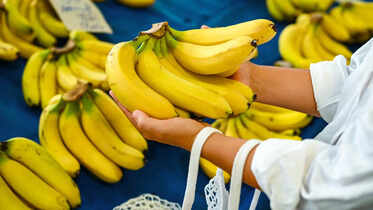
One of the most commonly discussed ways to differentiate between the two is by observing the skin color and ripening pattern. Chemically ripened bananas are often said to show uneven coloration, where the middle portion turns yellow while the crown or tips may still appear green. This unevenness is usually linked to artificial ripening methods that speed up color change without allowing uniform maturity.
In contrast, naturally ripened bananas generally develop a more even yellow color as the fruit matures slowly on the plant or in controlled natural conditions. Another commonly observed sign is the condition of the stem or crown area. Naturally ripened bananas often show a slightly darkened or blackened crown, which is considered part of the natural aging and ripening process. However, these visual signs are not always completely reliable, as variety, storage, and transport conditions can also affect appearance.

FSSAI Guidelines on Artificial Ripening
The Food Safety and Standards Authority of India (FSSAI) has laid down clear regulations regarding fruit ripening practices to ensure consumer safety. Recognizing the need for controlled ripening in supply chains, FSSAI permits the use of ethylene gas as a safe ripening agent when used within approved limits. Ethylene is a naturally occurring plant hormone that helps trigger the ripening process and, when properly regulated, does not leave harmful residues.
According to FSSAI standards, ethylene gas may be used at concentrations of up to 100 ppm (100 µl/L), depending on the type of fruit, its variety, and its maturity stage. This controlled application ensures that fruits ripen uniformly while maintaining safety and quality standards.
At the same time, FSSAI strictly prohibits the use of calcium carbide for fruit ripening. Calcium carbide releases acetylene gas, which is hazardous because it may contain harmful traces of arsenic and phosphorus. Exposure to such substances can lead to health issues including dizziness, irritation, weakness, and other toxic effects. Because of these risks, its use is banned under the Food Safety and Standards (Prohibition and Restrictions on Sales) Regulations, 2011.
Safe and Regulated Ripening Practices
Despite the ban, unsafe practices may still be used in some supply chains due to the low cost and easy availability of industrial chemicals. To counter this, FSSAI has encouraged the use of safer alternatives such as ethylene gas supplied through cylinders, compressed cans, or ethylene generators.
In controlled systems, ethylene may also be released using compounds like ethaphon (chloroethylphosphonic acid), or through encapsulated forms using safe materials such as cellulose, starch, or proteins. These methods ensure gradual and controlled release of ethylene without introducing harmful residues into the fruit.
Controlled Ripening Conditions for Bananas
FSSAI also specifies technical conditions for banana ripening in controlled environments. Bananas are typically exposed to ethylene for 24 to 28 hours at a temperature range of 15°C to 18°C, with relative humidity maintained between 90% and 95%.
It is also important that bananas are transferred into ripening chambers only after proper pre-cooling, ensuring that the required temperature is achieved before exposure. This helps in achieving uniform ripening, better color development, and improved fruit quality.
Consumer Awareness and Practical Understanding
From a consumer point of view, while certain visual cues like uneven color or crown darkening may provide hints, they should not be treated as absolute proof of chemical or natural ripening. The overall appearance, aroma, texture, and taste together give a better understanding of fruit quality, but even these can vary based on handling and storage conditions.