NHRC Issues Notice To FSSAI Over Widespread Reuse Of Cooking Oil In Eateries And Roadside Vendors
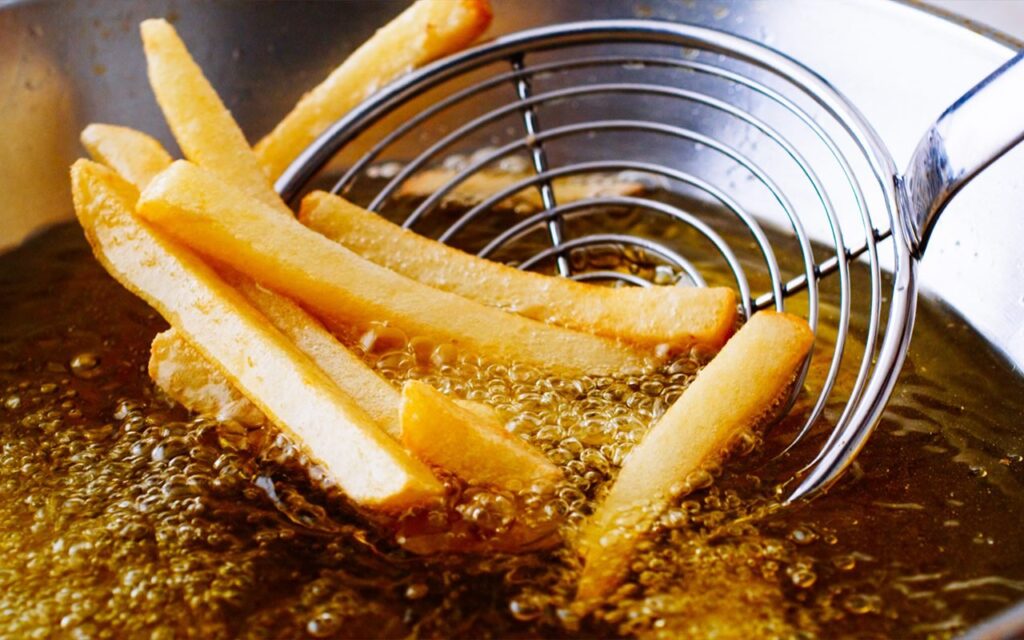
NHRC Issues Notice To FSSAI Over Widespread Reuse Of Cooking Oil In Eateries And Roadside Vendors
New Delhi, October 24, 2025: The National Human Rights Commission (NHRC) has issued a notice to the Food Safety and Standards Authority of India (FSSAI) over the rampant reuse of cooking oil by eateries and roadside vendors across the country. Despite years of public awareness campaigns, many small food businesses continue to reuse cooking oil multiple times — a practice that India’s top human rights body has flagged as a serious public health concern and a violation of basic human rights.
In a notice dated October 22, the NHRC requested state-wise data and an action-taken report from FSSAI within two weeks. The notice follows a complaint filed by Sarthak Samudayik Vikas Evam Jan Kalyan Sanstha, a Bhopal-based NGO, alleging that FSSAI’s Repurpose Used Cooking Oil (RUCO) campaign has failed to curb the reuse of degraded oil, especially among small and unorganised food businesses.
NHRC member Priyank Kanoongo, whose bench issued the notice, said, “We found the allegation to be correct prima facie and understand it to be a nationwide problem that needs immediate attention from FSSAI and state food regulators in the interest of public health.”

Cooking Oil Norms and Health Risks
Under the Food Safety and Standards (Licensing and Registration of Food Businesses) Regulations, 2011 — amended in 2018 — cooking oil becomes unfit for consumption when its Total Polar Compounds (TPC) exceed 25 percent. TPCs are toxic substances formed when oils degrade due to repeated heating, especially during frying. Extended exposure to high temperatures and moisture increases TPC levels.
Scientific studies link consumption of food fried in oil with high TPC levels to chronic health issues such as hypertension, atherosclerosis, liver disease, Alzheimer’s, and certain cancers. Reheating oil also increases trans-fat content, compounding health risks.
India’s Massive Oil Consumption
India is among the largest consumers of vegetable oil globally, with annual consumption estimated at nearly 2,500 crore litres. Around 60 percent is used in households and 40 percent in commercial establishments such as hotels, restaurants, and food stalls. Effective regulation of used cooking oil is therefore critical for public health and environmental safety.
Widespread Non-Compliance by Food Businesses
FSSAI norms require commercial eateries using over 50 litres of oil per day to monitor and document oil quality. Oil exceeding 25 percent TPC must be disposed of through authorized collection agencies registered with state biodiesel boards or other approved bodies.
Used oil should be stored in clearly labeled containers to prevent cross-contamination and never be dumped into drains or sewage. Small food businesses are advised to reuse oil no more than three times, preferably only once, with indicators of deterioration including darkening, foaming, or emitting blue-grey smoke.
For households, FSSAI recommends filtering oil after one use for frying and reusing it only in curries, not for frying again. Despite these regulations, the complainant informed the NHRC that illegal reuse and resale remain widespread, with many eateries improperly disposing of or selling used oil, allowing it to re-enter the food chain or contaminate soil and water.
The RUCO Campaign and Its Gaps
The FSSAI launched the Repurpose Used Cooking Oil (RUCO) initiative in 2018 to support the National Policy on Biofuels, aiming to build a collection ecosystem for converting used cooking oil into biodiesel — a renewable fuel derived from vegetable oils, animal fats, or used oil. The policy targets 5 percent biodiesel blending with diesel by 2030 to reduce pollution and promote energy independence.
The RUCO program introduced an Education, Enforcement, and Ecosystem (EEE) strategy to educate food business operators about the hazards of reused oil and ensure compliance via inspections and penalties. It also sought to link restaurants with biodiesel manufacturers and aggregators.
However, the complaint to NHRC claims that RUCO has made minimal impact at the ground level, particularly in smaller towns and the unorganised sector. While larger restaurant chains generally follow FSSAI norms, thousands of small eateries and roadside vendors reportedly operate without monitoring, documentation, or awareness of TPC standards — a concern even acknowledged within the regulator.