No-Cost EMI: Why ‘Interest-Free’ Offers May Still Cost You More
No-Cost EMI: Why ‘Interest-Free’ Offers May Still Cost You More
Buying a phone on EMI is a loan; hidden charges, lost discounts and credit impact can make it expensive
“Buy now, pay later with no interest.” The phrase sounds attractive, especially when purchasing expensive items like smartphones. However, financial experts warn that so-called “no-cost EMI” schemes are not always as free as they appear.
What is No-Cost EMI?
In a typical example, if a phone costs Rs 30,000 and you opt for a six-month no-cost EMI, you pay Rs 5,000 every month. On the surface, the total paid remains Rs 30,000, giving the impression that no interest has been charged.

In reality, the interest component is often adjusted in the form of a discount provided by the seller. The bank charges interest on the loan, but the retailer offers an upfront discount equal to that interest amount. As a result, customers may lose the benefit of additional cash discounts or cashback offers that are available on full payment.
Hidden charges and extra costs
Many EMI plans include processing fees that are not highlighted at the time of purchase. These charges appear later on the credit card statement. Additionally, 18 per cent GST is applicable on the interest component, which increases the effective cost.
If an EMI payment is missed, late fees and penalty interest are added. This not only increases the repayment burden but also negatively affects the customer’s credit score.
Impact on credit score
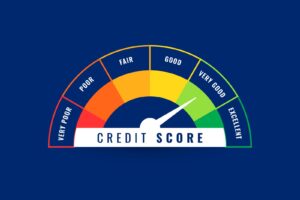
Each EMI is treated as a loan. Taking multiple items on EMI increases overall credit exposure. This can affect your CIBIL score and reduce eligibility for larger loans such as home or car loans in the future.
Another factor is credit limit blocking. When you purchase a product on credit card EMI, the full amount is blocked from your card’s limit until repayment. This reduces your available spending capacity.
Overspending risk
Easy instalments often encourage customers to buy higher-priced models than they actually need. Long tenures of 12 or 24 months create long-term financial commitments. If income changes or unexpected expenses arise, managing EMIs can become stressful.
When EMI can make sense
EMI is not always a bad option. It can be useful if the purchase is necessary, such as a work-related phone, and if monthly instalments comfortably fit within your budget. However, careful comparison is essential.
Experts advise customers to compare the EMI price with the cash price, check whether discounts are being removed, read the fine print, and ensure timely payments.
The key takeaway
“No-cost EMI” is essentially a loan facility, not a free offer. While it may provide short-term convenience, hidden costs and long-term financial commitments can make the product more expensive.
Disclaimer: This article is for informational purposes only and should not be considered financial advice. Readers are advised to review terms and consult financial experts before opting for EMI schemes.