Not Just Candy and Costumes: How the World Celebrates Halloween Differently
Not Just Candy and Costumes: How the World Celebrates Halloween Differently
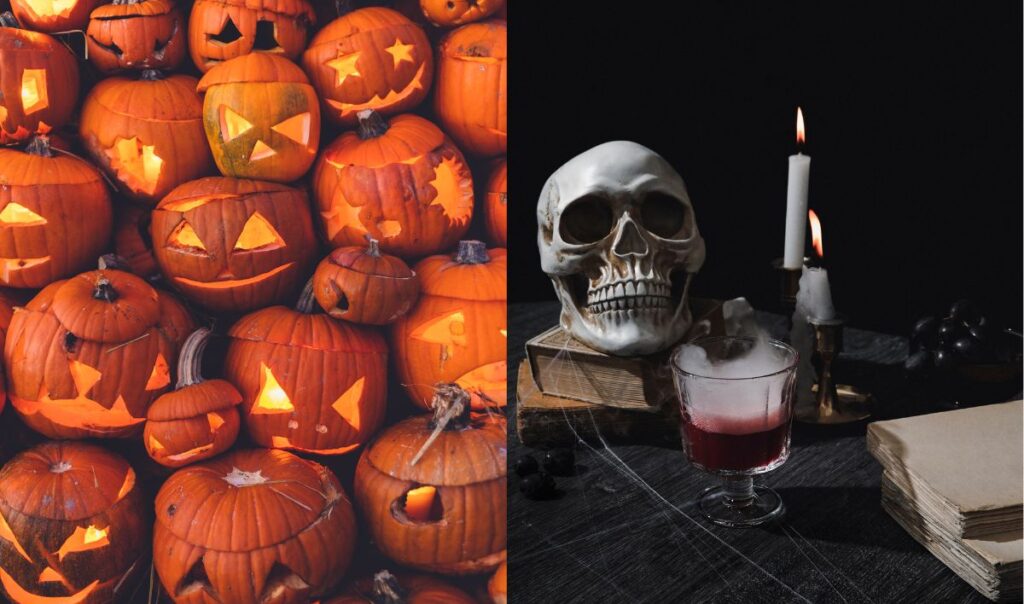
Every year on October 31, people in the U.S. dress up as ghosts, goblins, and superheroes, heading out for candy and spooky fun. But while Halloween means trick-or-treating and haunted houses in America, around the world it takes on many different forms. some colorful, some quiet, and some deeply spiritual. Here’s how different countries celebrate the season of spirits in their own special way.
Mexico: The Day the Dead Come Home
In Mexico, Halloween is only the warm-up act. The real celebration begins the next day with Día de los Muertos, or the Day of the Dead, on November 1 and 2. It’s not about fear or fright, it’s a joyful reunion with loved ones who have passed away.

Families believe that on these days, the gates of heaven open so spirits can visit. They decorate colorful altars, cook favorite meals of their departed family members, and visit cemeteries with marigolds, candles, and sugar skulls. The streets fill with parades, music, and bright costumes. What was once a small Indigenous tradition is now a huge celebration across Mexico, including in Mexico City.
England: Bonfires, Not Broomsticks
While Halloween is growing in popularity in England, many still focus on Guy Fawkes Day on November 5. It’s a fiery holiday that marks the failed attempt to blow up the British Parliament in 1605.
Instead of trick-or-treating, children wander the streets asking for a “penny for the Guy,” while towns hold huge bonfires and firework shows. Scarecrows and effigies of Guy Fawkes are burned, lighting up the night sky, making this British version of fall festivities a mix of history and firelight.
Italy: Saints, Souls, and Pumpkins
In Italy, the celebrations on November 1 are known as Ognissanti, or All Saints’ Day. It’s a day to honor every saint and remember lost loved ones. But depending on where you are in the country, the customs change like flavors of gelato.
In Sicily, it’s believed that the dead rise to bring gifts to children who’ve behaved well. In Sardinia, kids go door-to-door asking for small treats, not for themselves, but as offerings for the souls of the dead. Romans often share meals near graves, while people in Trentino carve lanterns out of pumpkins, lighting them to guide spirits home.
Guatemala: The Sky Full of Spirits
In Guatemala, November brings a breathtaking sight, enormous, colorful kites floating high above cemeteries. The Barriletes Gigantes, or “Giant Kites” festival, is both beautiful and meaningful.
Locals handcraft massive kites, some taller than a house, to honor those who have passed away. When flown, they are believed to connect the living with their ancestors. The sky becomes a rainbow of colors and messages of love, turning grief into something magical.
Japan: Costumes Over Candy
Halloween in Japan is still new, but it’s already huge, and it’s not about candy. It’s about creativity.
Adults dress in elaborate costumes, from anime heroes to zombies, and crowd the streets of Tokyo for parades and parties. Trick-or-treating isn’t common because Japan already has other holidays to honor ancestors, like Obon. For the Japanese, Halloween is a chance to show off their imagination, no ghosts required.
Ireland: Where It All Began
Few people know that Halloween actually started in Ireland. More than 2,000 years ago, the Celts celebrated Samhain, marking the end of summer and the beginning of winter. They believed the boundary between the living and the dead was thinnest on this night.
Today, Ireland celebrates with parades, bonfires, and festivals like the famous Púca Festival and Derry Halloween. It’s a perfect mix of ancient folklore and modern fun, where the spirit of Halloween truly feels at home.
China: Honouring Spirits in the Spring
In China, remembering the dead happens in April during the Qingming Festival, or Tomb Sweeping Day. Families visit the graves of ancestors, clean the tombstones, and offer food and flowers. It’s not spooky, it’s respectful. People see it as a way to show love and gratitude to those who came before them. Instead of pumpkins and candy, the focus is peace, memory, and family.
Across the world, Halloween and its cousins take many shapes, from fiery bonfires to flying kites. But whether it’s celebrated with costumes, prayers, or sweets, every tradition has one thing in common: remembering the ones who came before us and finding joy even in the presence of ghosts.