Old Vehicles Just Got Costlier in Maharashtra — ₹4,000 Green Tax on Two-Wheelers Sparks Big Debate
State passes amendment bill to curb pollution; new rates apply to ageing vehicles across categories
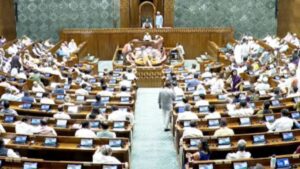
In a major move to tackle rising air pollution, the Maharashtra government has approved an increase in environmental tax on old and polluting vehicles. The Maharashtra Motor Vehicles Tax (Amendment) Bill, 2026 was unanimously passed in the state legislative assembly, marking a significant step toward promoting cleaner transportation.
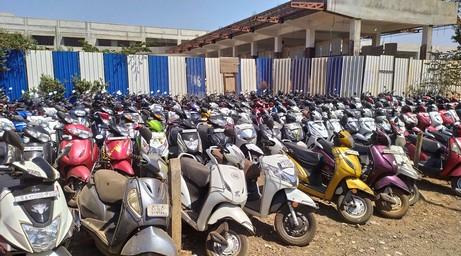
Under the revised structure, owners of older vehicles will now have to pay higher green tax. Two-wheelers will be charged Rs 4,000, while petrol-powered light motor vehicles (LMVs) will attract a tax of Rs 6,000. Diesel LMVs will face a higher charge of Rs 7,000. The tax will be collected as a one-time payment valid for five years.

State Transport Minister Pratap Sarnaik said the amendment aims to strike a balance between environmental protection, economic growth, and fiscal discipline. He noted that older vehicles contribute significantly to pollution levels, and the revised tax is intended to discourage their continued use while encouraging a shift toward cleaner alternatives.
The government expects the new tax regime to generate over Rs 160 crore annually. According to officials, the additional revenue will be utilised for improving road safety measures, upgrading transport infrastructure, setting up automated vehicle testing systems, and enhancing training facilities.
The amendment also includes provisions aimed at supporting industrial growth. Motor tax on crane vehicles has been capped at Rs 30 lakh, a move expected to benefit the construction and infrastructure sectors.
Officials highlighted that the policy aligns with broader environmental goals by encouraging the adoption of BS-VI emission standards and electric vehicles. It is also expected to create new opportunities in sectors linked to clean mobility, particularly in rural and tribal regions.
With unanimous support from legislators across party lines, the bill reflects a growing consensus on the need for stricter measures to address vehicular pollution and move toward a more sustainable transport system.