Pune: Autade-Handewadi Residents To Hold Protest On May 8 And 9 Over Water, Power Crisis Despite Paying High Taxes

Pune: Autade-Handewadi Residents To Hold Protest On May 8 And 9 Over Water, Power Crisis Despite Paying High Taxes
Renuka Suryavanshi
Pune, May 6, 2026: Residents of Autade Handewadi have announced a major protest, voicing strong frustration over the continued absence of basic civic amenities such as water supply, electricity, and accountability from authorities, despite paying taxes every year.
The protest is organised by Handewadi Residents Association with support of more than 30 housing societies from the area. Locals say thousands of families in the area are struggling daily without essential services. With no reliable water supply and frequent power disruptions, residents claim they are forced to spend lakhs annually on private water tankers and power backup systems. Despite repeated complaints, they allege that their concerns have largely gone unheard.

In response, residents have planned a series of protests at Handewadi Chowk. An indefinite hunger strike (uposhan) will begin on May 8 at 9 am, followed by a symbolic “antim yatra” protest against the Pune Municipal Corporation and Maharashtra State Electricity Distribution Company Limited on May 9 at 9 am, and a dharna agitation later the same day at 4 pm.
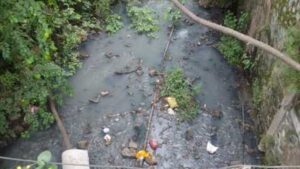
Residents across multiple housing societies have highlighted the financial and physical strain caused by the lack of infrastructure. Manoj Jadhav, Chairman of Dhanashree Aashiyana, said families have been living in the society since 2016 without basic facilities. The society spends around ₹25 lakh annually on water tankers, while problems such as lack of water supply, absence of proper drainage, and no streetlights continue unresolved.
Similarly, Trushal Rajeshirke, Secretary of Neco Beaumont Society, stated that residents have been living there since June 2023 without a water connection, leading to an annual expenditure of nearly ₹20 lakh on tanker water, significantly increasing maintenance costs.

Gitesh Shah, Secretary of Simplicity Phase 3 Society, pointed out that despite being occupied since January 2012, the society still does not have a permanent municipal water connection. As a result, residents rely entirely on tankers, spending approximately ₹25 lakh annually, adding to their financial burden.
Pranay Patil, Chairman of Fortune Siddhipriya Co-operative Housing Society, said residents have lived there for eight years but continue to lack basic civic amenities. The society has already spent around ₹24 lakh on tanker water. Frequent electricity outages and voltage fluctuations have further worsened the situation, especially for IT professionals working from home. He stressed that it is unacceptable for tax-paying citizens to be deprived of fundamental services and called for immediate and permanent solutions.
Isha Arora, Chairman of Dhanashree Aangan, echoed similar concerns. Residents have depended on tanker water for nearly a decade, spending over ₹20 lakh annually, yet the water is not potable, forcing families to purchase separate drinking water. She added that tanker water is hard, damaging plumbing systems and causing health issues such as hair fall. Frequent power fluctuations have also led to lift failures and generator breakdowns, with ₹2 lakh spent yearly on generator use. The society, which has 153 flats, pays ₹14,000–₹15,000 annually per household in taxes but still lacks basic amenities like proper roads and streetlights.
Chandresh Roy from Swapnapurti Society, one of the oldest in the area with 212 flats, said each household pays around ₹8,000 in property tax annually. Despite this, the society lacks drainage, water supply, and safe access roads, and spends nearly ₹35 lakh every year on tanker water.
Swapnil Mhaisekar, Chairman of Venkatesh Classic, said their 356-flat society contributes ₹35–36 lakh annually in property taxes, yet spends ₹50–55 lakh on water tankers due to lack of municipal supply.
Gitesh Shah further added that another Simplicity Society incurs ₹45–50 lakh annually on tanker water, highlighting the widespread nature of the crisis.
Residents have termed the situation unacceptable for a city promoted as a “Smart City” and are demanding urgent intervention to ensure basic civic infrastructure.