Pune: Balewadi Residents Demand Urgent Action As Air Pollution Worsens, PMC Urged To Enforce Control Measures
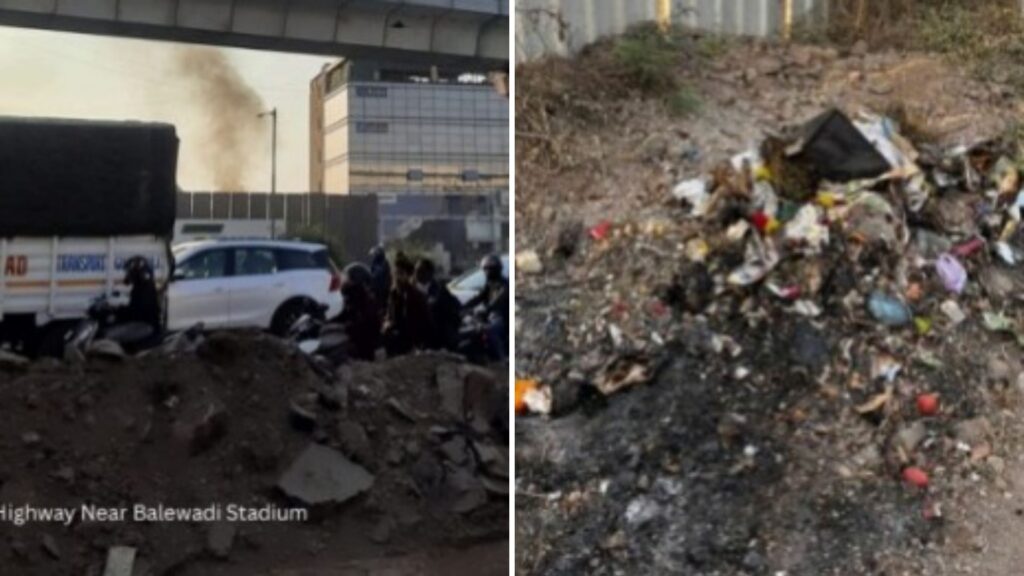
Pune: Balewadi Residents Demand Urgent Action As Air Pollution Worsens, PMC Urged To Enforce Control Measures
Pune, February 9, 2026: Rising air pollution levels in Balewadi have triggered serious concern among local residents, who have now formally urged the Pune Municipal Corporation (PMC) to take immediate and strict action to control deteriorating air quality in the area.
Citing Article 21 of the Constitution, which guarantees the Right to Life and includes the right to clean air, residents have highlighted the failure in effective implementation of environmental laws and policies. Despite clear mandates under the Air (Prevention and Control of Pollution) Act, 1981, the National Clean Air Programme (NCAP), the Pune Action Plan, and multiple directions issued by the Maharashtra Pollution Control Board (MPCB), Central Pollution Control Board (CPCB), the National Green Tribunal (NGT), and the Bombay High Court (Suo Motu PIL No. 3 of 2023), enforcement on the ground remains weak.
Residents pointed out that the MPCB had issued detailed guidelines to PMC on November 2, 2023, but no structured action plan has been implemented so far. They also alleged that PMC has failed to adopt the Graded Response Action Plan (GRAP), which is crucial for managing air pollution during high AQI periods.

Balewadi Emerging as a Pollution Hotspot
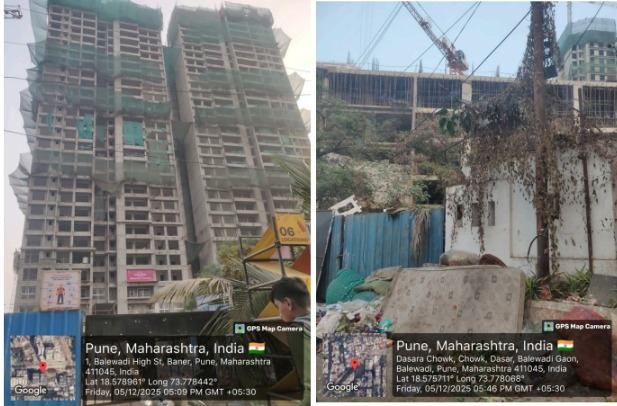
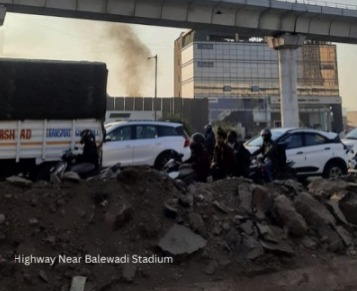
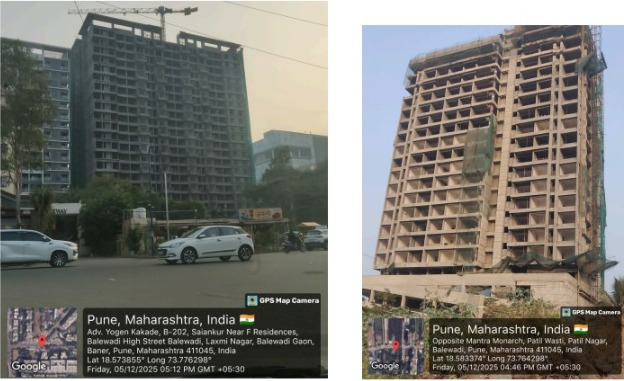
With ongoing metro construction, large-scale real estate projects, heavy traffic movement, and severe road dust, Balewadi has increasingly become a pollution hotspot in Pune. Citizens report rising cases of respiratory illnesses, eye irritation, allergies, headaches, fatigue, and other health issues linked to poor air quality.
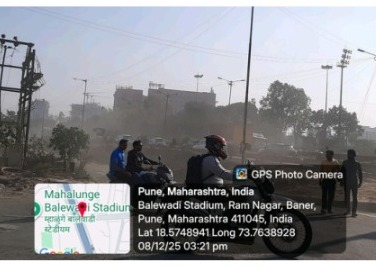
Recent media reports have repeatedly highlighted Pune’s deteriorating Air Quality Index (AQI) and the growing public health risks associated with pollution. Residents say Balewadi requires immediate and focused intervention.
Demand for Real-Time AQI Monitoring
One of the major concerns raised is the absence of real-time, verifiable AQI monitoring in Balewadi. The area currently lacks access to reliable air quality data due to the absence of monitoring infrastructure.
Residents have demanded the immediate installation of a Continuous Ambient Air Quality Monitoring Station (CAAQMS) in Balewadi. As Pune is classified as a non-attainment city under the NCAP, setting up real-time monitoring stations is a statutory requirement. Without such monitoring, rising PM2.5 and PM10 pollution levels remain undocumented, making enforcement and accountability difficult.
Key Demands Placed Before PMC
The Balewadi Welfare Federation has urged PMC to immediately implement the following measures:
Construction and Demolition Waste Control
* Mandatory dust-proof barriers and enclosures at all construction, demolition, and renovation sites
* Transportation of debris only through licensed carriers
* Strict ban on dumping on roadsides, footpaths, vacant plots, amenity spaces, and riverbanks, as per CPCB’s Construction & Demolition Waste Management Rules
Construction and Metro Project Compliance
* Mandatory real-time sensor-based AQI monitoring with LED display boards at metro and large construction sites
* Continuous dust suppression through sprinklers and misting systems
* Covered transport of debris and materials
* Wheel-washing facilities at site exits
* Surprise inspections to ensure compliance with CPCB’s Dust Mitigation Guidelines
Road Dust Management
* Paving and surfacing of unpaved roads
* Daily manual and mechanized sweeping of roads and footpaths
* Deployment of PMC dust-suppression vehicles
* Implementation of MPCB’s environmental management guidelines
RMC Plant Regulation
* Fully enclosed Ready-Mix Concrete (RMC) plants
* Regular sprinkling systems and emission checks
* Periodic inspection drives by MPCB
Green Buffers and Plantations
* Development and expansion of dense green buffers using native species
* Maintenance of hedgerows, shrubs, and roadside plantations
* Regular watering and stabilization of roadside soil to reduce dust resuspension
Strict Action on Open Burning
* Stronger enforcement squads at ward level
* Heavy penalties for violations
* Zero-tolerance policy towards open burning activities
Health Emergency Warning
The federation has warned that continued inaction could turn the situation into a public health emergency, especially affecting children, senior citizens, and vulnerable groups.
Residents have appealed to PMC for urgent, sustained, and accountable action, stating that the health and well-being of the Balewadi community depends on immediate enforcement of air pollution control measures.