Pune: BJP Gains Ground In Newly Merged And City Areas, Kondhwa Votes Signal Shift Away From Traditional Local Politics
Supreme Court Verdict On OBC Quota May Impact 40 Nagpur Corporators, Political Stakes Rise In Maharashtra
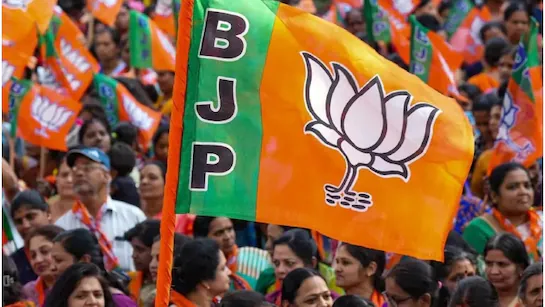
Pune, January 17, 2026: The 2026 Pune Municipal Corporation elections have highlighted the Bharatiya Janata Party’s growing influence across the city, particularly in areas merged into PMC limits after 2018 and in central Pune. The results indicate that the party’s appeal is no longer confined to its traditional urban strongholds, as voters in newly added suburbs and established localities largely backed BJP candidates.
Localities such as Ambegaon, Narhe, Mohammadwadi–Undri, Baner and Balewadi delivered strong support to the BJP. The party also maintained its dominance in central Pune, including the peth areas and Kothrud. In the Katraj–Ambegaon ward, BJP secured three of the five seats, while the Nationalist Congress Party won the remaining two. In Mohammadwadi–Undri, the BJP claimed two of four seats, while Shiv Sena city unit chief Nana Bhangire faced defeat.
In contrast, Kondhwa witnessed a notable political transition. Long influenced by village-based leadership and family-centric politics, the area has shown signs of moving away from these traditional power structures. Earlier civic representation in Kondhwa was shaped by a small group of influential families and caste loyalties, a trend that continued for decades.

The 2026 elections marked a clear departure from this pattern. Voters, particularly from the Muslim community, appeared to assess candidates based on party positioning and governance performance rather than long standing affiliations. This shift resulted in victories for Congress candidates Kashif Sayed, Asiya Maniyar and Tasneem Shaikh, along with Haji Gafur Pathan of the NCP. None of the elected representatives belong to the old village-based leadership, underlining a decisive change in voter preference.
Observers note that urbanisation, infrastructure challenges and demands for better civic services have reshaped voter priorities in Kondhwa. Issues such as traffic congestion, road widening and Metro connectivity are now central to local expectations, placing increased responsibility on the newly elected corporators.