Pune: Citizens urged to segregate wet and dry waste to keep Pimpri Chinchwad clean and healthy
Pune: Citizens urged to segregate wet and dry waste to keep Pimpri Chinchwad clean and healthy
Health Department of Pimpri Chinchwad Municipal Corporation appeals for public participation
Pimpri, November 8, 2025: While many residents of Pimpri Chinchwad have been diligently following waste segregation norms, a few areas of the city continue to mix wet and dry waste during collection. The Pimpri Chinchwad Municipal Corporation (PCMC) has appealed to all citizens to strictly adhere to waste segregation rules and support the city’s drive towards a cleaner, greener, and more sustainable environment.
Under the Solid Waste Management Act, every household and commercial establishment is required to segregate its waste before handing it over for collection. To strengthen awareness, PCMC regularly conducts campaigns in schools, colleges, residential societies, and through NGOs to promote the message that “Segregation at source is the key to cleanliness.”
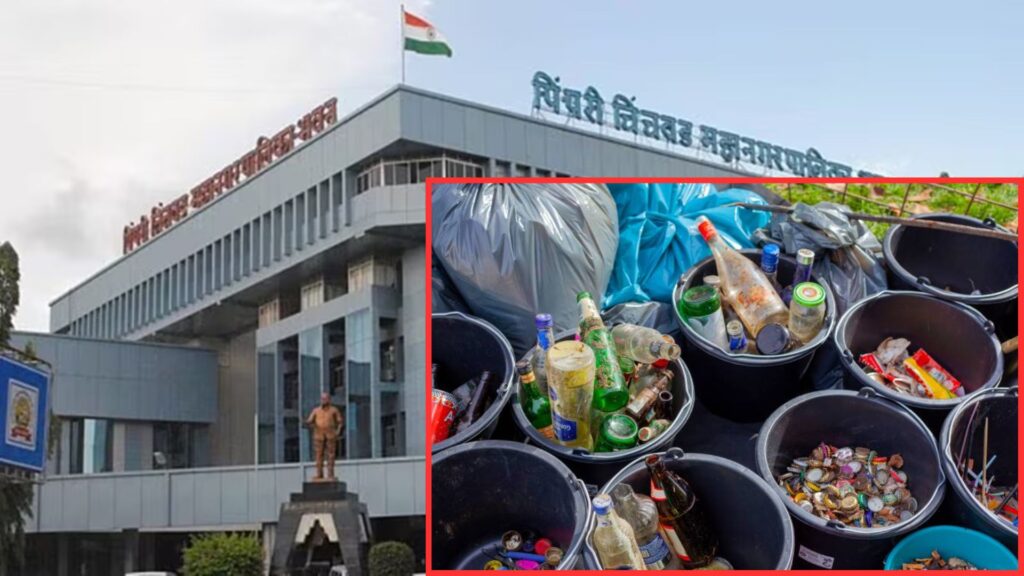
The civic body has provided two separate colour-coded bins to housing societies and institutions for collecting wet and dry waste. Proper use of these bins ensures efficient segregation, which facilitates composting, recycling, and reuse in later stages of waste management. PCMC has urged citizens to actively participate in this process to help maintain a clean, healthy, and environmentally responsible city.

Types of waste and segregation guidelines
Wet waste: Vegetable peels, leftover food, flowers, garden waste, and other biodegradable matter.
Dry waste: Plastic, paper, metal, bottles, packaging material, thermocol, and other recyclable items.
Household hazardous waste: Tubelights, batteries, bulbs, sharp objects, chemicals, syringes, and biomedical waste.
Sanitary waste: Sanitary pads, diapers, and bandages.
E-waste: Defective computers, laptops, CPUs, televisions, and other electronic or electrical items.
Monitoring teams deployed
Dedicated monitoring teams from PCMC’s Health Department have been appointed to inspect segregation practices during daily waste collection. Strict action will be taken against individuals, housing societies, or commercial establishments found violating segregation norms.
“Keeping Pimpri Chinchwad clean and beautiful is a shared responsibility. Citizens’ cooperation in following segregation norms will make waste management more effective and environmentally friendly.”
— Vijaykumar Khorate, Additional Commissioner, PCMC
“PCMC has undertaken several initiatives to ensure citywide cleanliness, but the most critical factor is active citizen participation. If every household and institution practices responsible waste segregation, Pimpri Chinchwad will set an example for others to follow.”
— Dr. Pradeep Thengal, Deputy Commissioner, PCMC