Pune: Dahanukar Colony Citizens Release 17-Point Charter, Demand Action Plan From PMC Election Candidates
Pune: Dahanukar Colony Citizens Release 17-Point Charter, Demand Action Plan From PMC Election Candidates
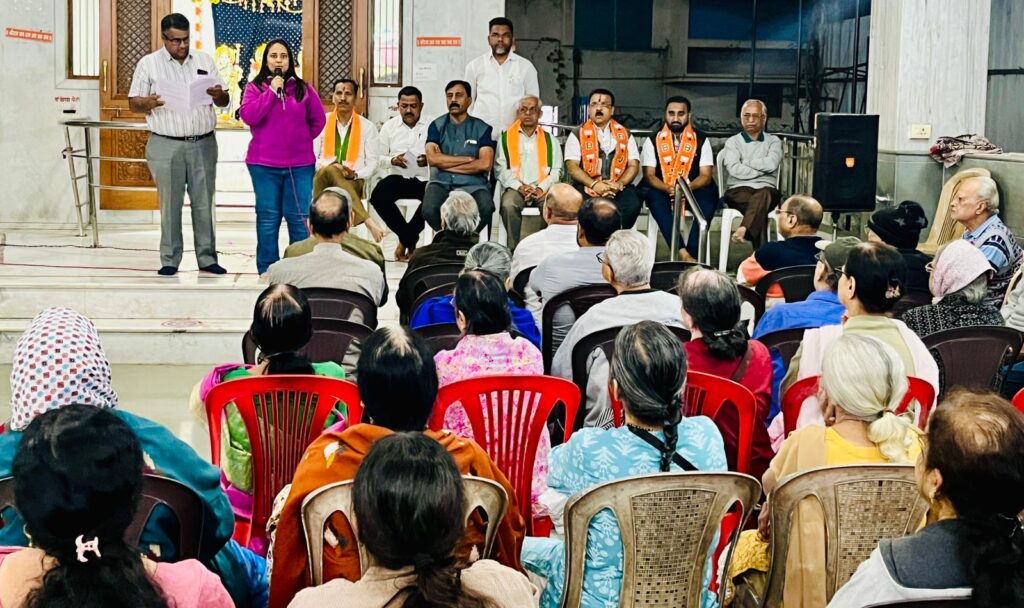
Pune, January 13, 2026: In a significant move ahead of the upcoming Pune Municipal Corporation (PMC) elections, the Dahanukar Citizens Forum (DCF) has released a detailed 17-point charter outlining critical civic and infrastructural challenges faced by residents of Dahanukar Colony. The document, addressed to contesting candidates, is based on a survey of over 60 housing societies and highlights issues affecting daily life, public health, safety and quality of living.
According to DCF, the concerns have been categorised into three levels — Critical Priority, High Priority, and Medium Priority — based on direct impact on citizens. The first category includes severe traffic congestion at Dahanukar Circle during evening peak hours, encroached footpaths that hinder pedestrian movement, poor road and footpath conditions, and unregulated parking practices. The forum has demanded immediate installation of an Intelligent Traffic Management System (ITMS) and strict enforcement to restore road discipline and mobility.
The High Priority list focuses on stray dog population control, delayed activation of MNGL gas pipeline connections, air pollution caused by construction activities, lack of proper waste collection standards, and poor street lighting. Residents noted that pipelines were laid years ago but gas supply remains inactive, while inadequate lighting has raised safety concerns, especially for women and senior citizens.

Among the Medium Priority issues are tree pruning and replantation norms, enforcement of traffic laws, infrastructure for pet waste management, redevelopment impact assessment, noise pollution control during festivals and political events, water scarcity concerns despite monsoon rains, metro-related planning, and accessibility-focused footpath standardisation.
The charter emphasizes that residents are no longer willing to accept “generic promises” during elections. Instead, the forum has demanded written responses detailing action plans, timelines, responsible departments, expected outcomes, and communication mechanisms. DCF is committed to monitoring progress monthly after elections to ensure transparency and accountability.
“Our expectation is simple — not assurances, but concrete execution plans,” the forum stated, adding that all responses will be shared with participating families to help voters make informed decisions.
With civic issues dominating citizen concerns this election cycle, DCF’s structured charter is expected to increase pressure on candidates to present policy-based solutions rather than campaign rhetoric.