Pune Dams Under Safety Review: Structural Audit Of Eight Major Reservoirs Begins Amid Climate Change Concerns
Pune Dams Under Safety Review: Structural Audit Of Eight Major Reservoirs Begins Amid Climate Change Concerns
Staff Reporter
Pune, June 11, 2026: In view of growing climate change challenges and the need to ensure the long-term safety and efficiency of critical water infrastructure, a comprehensive safety assessment of eight major dams in the Pune region has been initiated.
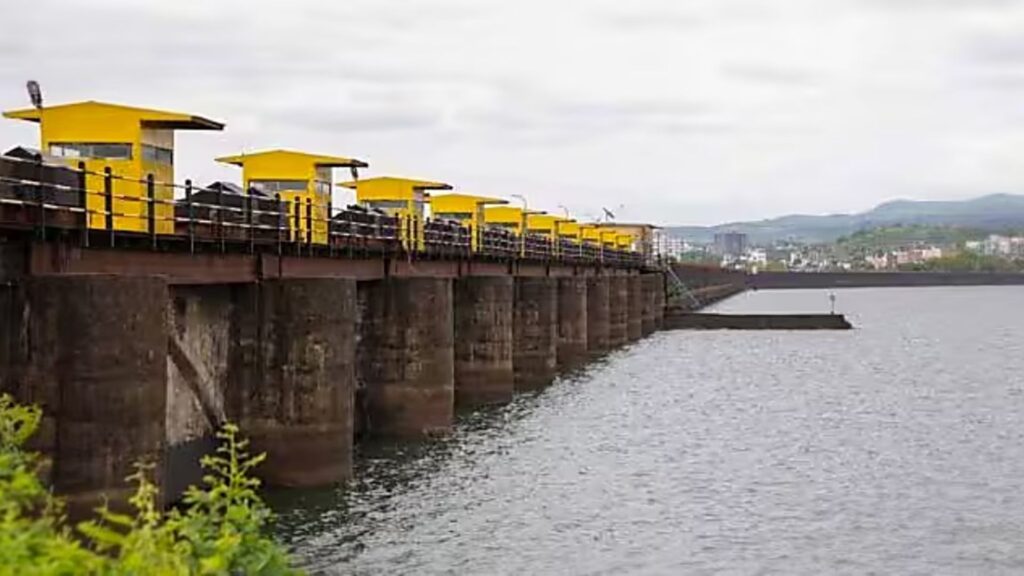
The review will cover the Khadakwasla, Panshet, Varasgaon, Temghar, Gunjawani, Veer, Devghar, and Bhatghar dams. The Central Water and Power Research Station (CWPRS) will conduct a detailed technical evaluation over the next year and submit a report on the structural condition, safety, and future sustainability of these dams to the Water Resources Department and the Maharashtra government.

The state government has decided to undertake structural audits of small, medium, and large dams across Maharashtra. Several of these dams have either completed or are approaching 100 years of service, making it essential to assess their safety, operational efficiency, and lifespan.

To facilitate the process, the Maharashtra Engineering Research Institute (MERI), Nashik, has appointed independent expert committees comprising retired chief engineers and senior officials from the Water Resources Department. Separate specialists have also been engaged for the evaluation of large dams.
As part of the initiative, the government has signed a Memorandum of Understanding (MoU) with the Central Water and Power Research Station (CWPRS) to conduct detailed safety assessments and recommend necessary improvements.
Dams Categorised Into Three Groups
The dam safety audit has been divided into three categories:
- Group A: Assessment of dam safety, risk levels, and potential hazards.
- Group B: Structural evaluation, condition assessment, and engineering inspection of the dam.
- Group C: Review of routine repairs, maintenance requirements, and minor corrective measures.
Based on the findings, authorities will determine whether major repairs, rehabilitation work, or other interventions are required.
Comprehensive Technical Evaluation Planned
The assessment will examine every stage of the dams’ lifecycle, from the original surveys and designs conducted before construction to their present condition.
Experts will compare the geographical conditions, engineering design, and original objectives of each dam with current realities. The study will evaluate future performance, remaining lifespan, and the improvements needed to ensure long-term functionality.
Key parameters to be examined include structural safety, changes in construction conditions, water storage capacity, silt accumulation, repair requirements, seismic safety standards, foundation stability, climate change impacts, and vulnerability to natural disasters.
The objective is to identify measures that can enhance dam safety and extend the operational life of these critical water resources.
Temghar Dam to Undergo Fresh Structural Audit
Although Temghar Dam is included among the eight dams selected in the first phase, it does not fully fit the standard evaluation criteria because its construction has not yet been completed.
However, certain technical concerns identified at the dam have led authorities to include it under the Central Dam Safety Assessment (CDSA) process. As a result, a fresh and detailed structural audit of Temghar Dam will be carried out.
Anil Purohit, In-Charge Director of CWPRS, said that under the agreement signed with the state government as per Central Government directives, the first phase will focus on structural audits and comprehensive evaluations of eight dams under the Khadakwasla and Pune Irrigation divisions. He added that a special expert committee has already been constituted and fieldwork has commenced.
The initiative is expected to play a crucial role in strengthening dam safety standards and ensuring water security for the region in the face of changing climatic conditions.