Pune: PMC Halts Work at 220 Construction Sites in Two Months Over Dust and Air Pollution Violations
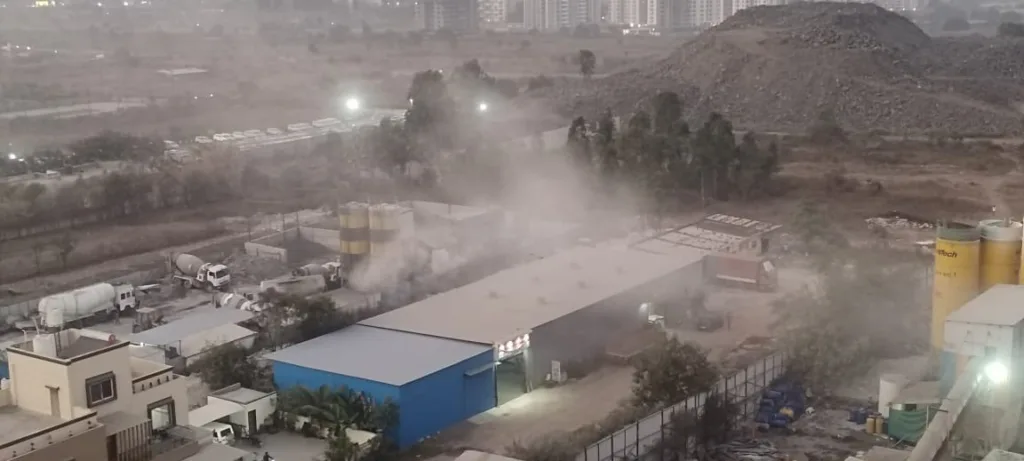
Pune: PMC Halts Work at 220 Construction Sites in Two Months Over Dust and Air Pollution Violations ( representation Image )
Pune | February 26, 2026 The Pune Municipal Corporation (PMC) has issued stop-work notices to 220 construction projects across the city over the past two months for failing to follow pollution control norms, amid growing public concern over rising air pollution caused by construction dust.
The action was taken following multiple complaints from residents about deteriorating air quality around active construction zones. The work was allowed to resume at 193 sites only after developers implemented dust-control and pollution-mitigation measures.
In a move to strengthen monitoring, the civic body announced plans to make air quality sensors mandatory for all construction projects covering 1,000 square metres or more, with real-time data to be tracked through a central digital dashboard managed by the municipal administration.

As per guidelines issued by the Maharashtra Pollution Control Board (MPCB), projects with a built-up area exceeding 5,000 square metres are already required to install such sensors. Officials said there are around 650 large construction projects in Pune, of which only 175 have installed air quality monitoring systems so far. The remaining developers have been directed to comply at the earliest and integrate their data with the PMC dashboard.
Municipal Commissioner Naval Kishore Ram cited findings from a 2022 ARAI survey, which identified the construction sector as a major contributor to urban air pollution, with construction-related dust accounting for nearly 23% of PM10 particulate matter in polluted air.
To curb dust emissions, the PMC has made it mandatory for construction sites to adopt multiple mitigation measures, including:
High metal-sheet barricading around sites
Green netting or tarpaulin covering on building structures
Regular water sprinkling on exposed surfaces and internal roads
Fogging during loading and unloading of materials
Covered storage of construction material, debris, and excavated soil
Use of enclosed spaces and dust-capturing equipment for cutting and grinding activities
Officials said all materials must be stored within project premises and not on public roads or pavements, and sensor-based monitoring systems with LED indicators must be installed as per civic specifications.
The PMC said the new digital monitoring system and stricter enforcement are part of a broader strategy to control construction-related pollution and address the city’s growing public health concerns linked to poor air quality.