Pune: PMC To Introduce SOP For Water Tankers, Tighten Grip On Overcharging And Irregularities
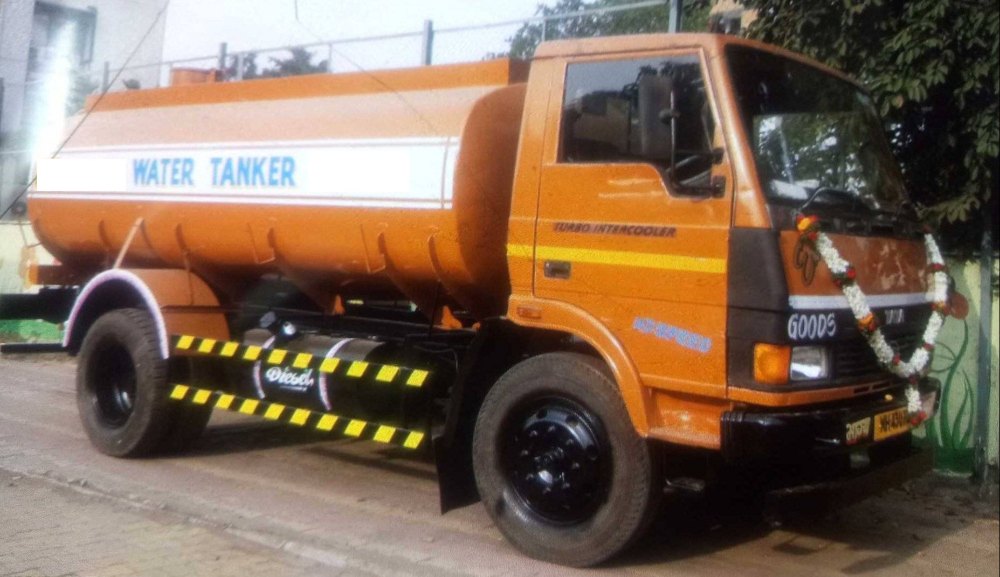
Pune: PMC To Introduce SOP For Water Tankers, Tighten Grip On Overcharging And Irregularities
Renuka Suryavanshi
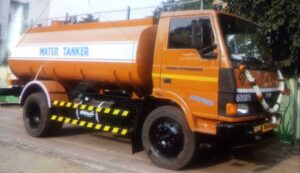
Pune, June 26, 2026: The Pune Municipal Corporation (PMC) is set to introduce stricter regulations to curb the exploitation of residents by water tanker operators amid the city’s ongoing water shortage. The move comes after concerns were raised over excessive charges being levied for tanker-supplied water.
During a Standing Committee meeting held on Thursday, committee chairman Shrinath Bhimale directed the civic administration to prepare a comprehensive Standard Operating Procedure (SOP) to make tanker-based water supply more transparent, safe and regulated.


The issue gained attention following reports alleging that water tankers filled at municipal filling stations for Rs 735 to Rs 1,156 were being sold to residents at inflated rates ranging between Rs 2,500 and Rs 3,000. The matter was discussed extensively during the meeting, prompting calls for tighter monitoring of the tanker supply system.
Bhimale instructed officials to submit detailed information on the number of municipal and private tankers operating in the city, the capacity of filling stations, approved water rates, driver qualifications, GPS tracking facilities, online booking mechanisms, accident records and water quality reports.
Under the proposed SOP, every tanker will be required to display an official rate chart and be equipped with GPS tracking systems. Residents will be able to monitor tanker movement through a mobile application, while online and helpline-based booking services will also be introduced. The civic body plans to implement a “first request, first supply” policy to ensure fair distribution.
Nandkishor Jagtap, head, water supply department, PMC said, “It is still being drafted. It will be put up to the Additional Commissioner for reviewing and further to the water tanker owners too.”
The SOP will further mandate regular medical examinations, alcohol and narcotics testing, and training programmes for tanker drivers. Safety equipment on vehicles, routine water quality testing, chlorination measures, registration of private tankers and fitness certification will also be compulsory. Authorities have additionally decided to maintain a blacklist of operators found violating regulations.
PMC has also been directed to establish a dedicated helpline for citizens and ensure that complaints are resolved within 24 hours. Essential services such as hospitals, schools, police stations and fire stations will receive priority water supply under the new system.
Key Features of the Proposed SOP:
* Mandatory official rate cards for all water tankers
* GPS installation and rate display boards on every tanker
* Mobile app-based tanker tracking
* Online and helpline booking facilities
* “First Request, First Supply” policy
* Regular water quality monitoring
* Medical screening and training for drivers
* Blacklisting of rule-violating tanker operators