Pune Records Warmer Nights As Rising Minimum Temperatures Signal Winter’s End
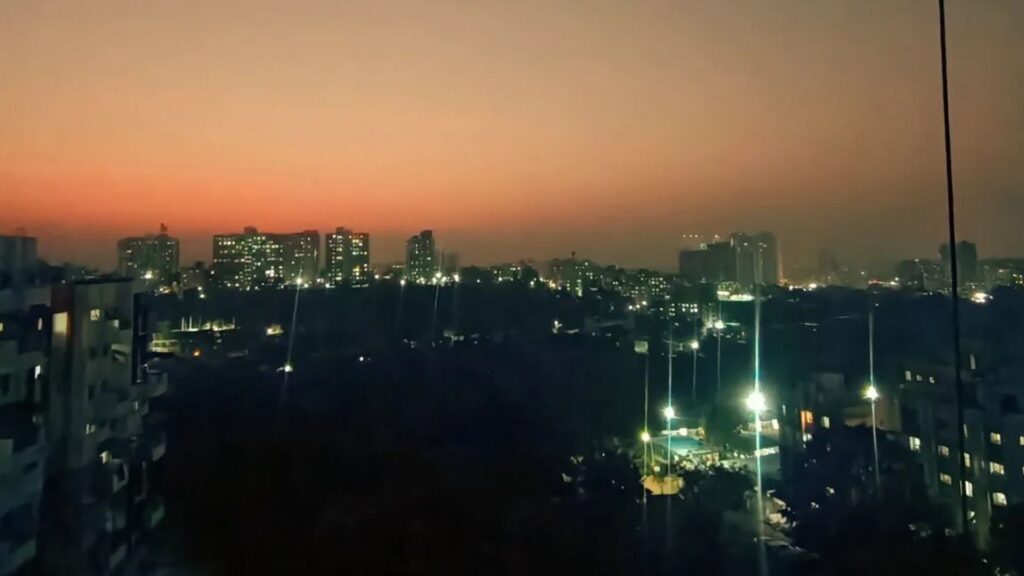
Pune Records Warmer Nights As Rising Minimum Temperatures Signal Winter’s End ( Representative Image )
Pune, January 31, 2026: Pune is witnessing a noticeable rise in night-time temperatures, indicating a gradual shift towards the end of the winter season. Weather experts say the increase in minimum temperatures is being driven by multiple active weather systems influencing conditions across the country.
Data from the India Meteorological Department (IMD) shows a sharp jump in minimum temperatures across several parts of the city over the past few days. At Shivajinagar, the minimum temperature climbed from 15.1°C on January 29 already above the seasonal average to 18.2°C on January 30, marking a significant departure from normal levels.
The warming trend was even more pronounced at Lohegaon, where the minimum temperature touched 19.6°C, a deviation of 8.3°C above normal. IMD officials said this was the highest positive departure recorded anywhere in Maharashtra on that day.

Other areas of Pune also experienced unusually warm nights. Chinchwad recorded a minimum temperature of 21.5°C, Magarpatta reported 21.4°C, and Koregaon Park logged 20.9°C. According to IMD records, these are the highest minimum temperatures observed in these localities since November 2025. Overall, Pune’s minimum temperature on January 30 stood at 18°C, remaining above the seasonal average.
The IMD has forecast a further rise of two to three degrees Celsius in minimum temperatures across Maharashtra over the next three to four days, suggesting that warmer nights are likely to persist in Pune and surrounding regions.
Meteorologists attribute this trend to the combined effect of several large-scale atmospheric systems. As per the IMD bulletin issued on January 30, a western disturbance in the form of a cyclonic circulation is active over northeast Iran at mid-tropospheric levels. Additionally, a strong subtropical westerly jet stream, with wind speeds of around 110 knots at approximately 12.6 km altitude, is prevailing over northwest India. Upper-air cyclonic circulations over the south Kerala coast and the Comorin region are also contributing to the changing weather pattern. Together, these systems are leading to a steady rise in night-time temperatures across the state.
As per IMD Pune, the city is expected to witness mostly clear skies over the next 48 hours, with the possibility of partial cloud cover during the afternoon or evening. “Some areas may also experience fog during the early morning hours,” he added.