Pune Shivers as Winter Intensifies: Single-Digit Temperatures Trigger Surge in Respiratory Ailments
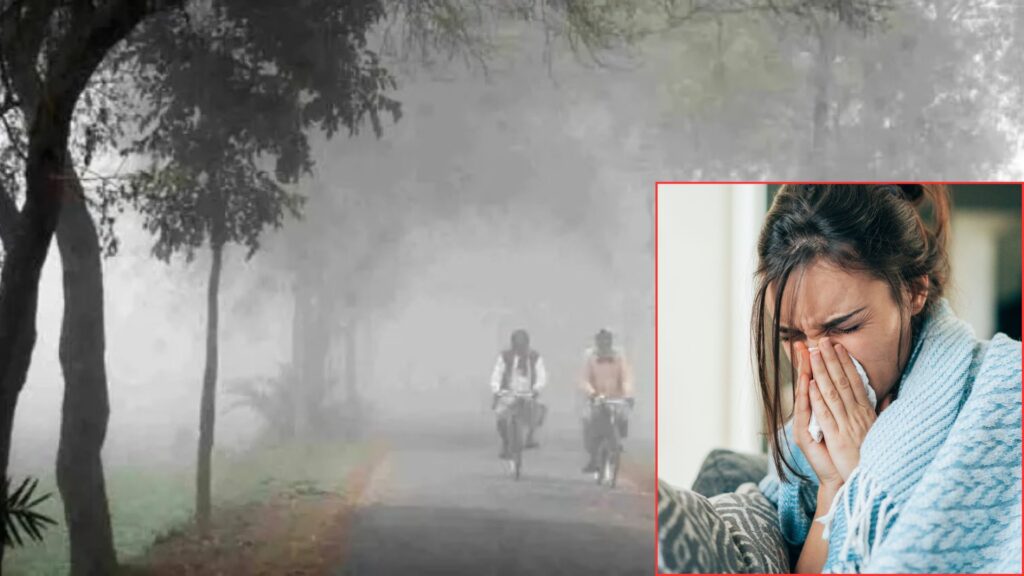
Pune Shivers as Winter Intensifies: Single-Digit Temperatures Trigger Surge in Respiratory Ailments
District records 9.7°C on Saturday, second consecutive day of single-digit readings, health experts report increased asthma complaints as cold wave continues
Pune experienced its second consecutive day of single-digit temperatures on Saturday as winter tightened its grip on the city. The district recorded a minimum temperature of 9.7°C, accompanied by foggy mornings that marked the intensifying chill across the region.
Temperatures in Pune have been falling steadily since November 6, dropping from 18.6°C to 11.2°C within a week. This sharp decline has brought not just weather changes but also health concerns for residents.
Cold wave to persist for four days

Weather officials expect the cold spell to continue for the next four days, with more single-digit minimum temperatures likely across the district. After this phase, temperatures may climb by 3 to 4 degrees Celsius, offering slight relief from the biting chill.
The foggy mornings have become a regular feature as winter settles over Pune. Visibility during early hours has been affected, impacting morning commuters and outdoor activities.
Respiratory problems on the rise
The fluctuating temperatures have led to a noticeable increase in respiratory problems among Pune residents. Health experts have reported a surge in complaints, particularly regarding asthma and other breathing difficulties.
Medical professionals attribute the rise in respiratory ailments to the sudden temperature drops and changing weather patterns. The shift from moderate to cold conditions within a short period has affected people with existing respiratory conditions and those with weaker immunity.
Health experts have advised residents to take necessary precautions during this cold phase. They recommend staying warm, especially during early morning and late evening hours when temperatures drop to their lowest levels.
People with pre-existing respiratory conditions like asthma should be particularly careful and keep their medications readily available. Avoiding early morning outdoor exposure when fog is dense can help reduce respiratory irritation.