Pune’s Air Quality to Worsen This Diwali as PM2.5 Levels Set to Soar, Forecast Shows
Pune’s Air Quality to Worsen This Diwali as PM2.5 Levels Set to Soar, Forecast Shows
Pune, October 18, 2025: As the festive season lights up across India, a smoky haze may soon follow. The Indian Institute of Tropical Meteorology (IITM) has predicted a sharp rise in air pollution across several major cities, including Delhi, Mumbai, Pune, Bengaluru, Hyderabad, Ahmedabad, and Kolkata. The air quality is expected to worsen rapidly around October 21, just as Diwali celebrations reach their peak.
Air Pollution to Spike Around Diwali
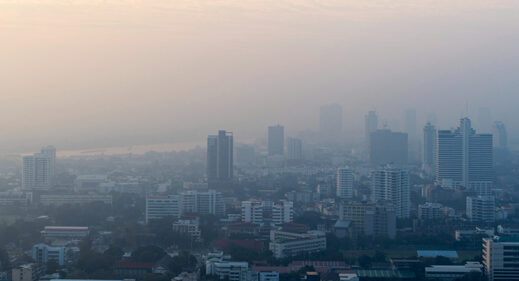
According to IITM’s latest air quality forecast, fine particulate matter (PM2.5) levels will rise significantly due to a mix of weather conditions and festive activities. The burning of firecrackers, combined with cooler temperatures and slower wind speeds, will likely trap pollutants near the ground, making the air thick and hazy.

The forecast shows that PM2.5 levels could reach their highest point on October 21, coinciding with Diwali celebrations. This means people in many cities may be celebrating under a blanket of smog, with the air turning “very poor” or even “severe” in quality in some regions.
Delhi’s Air May Slip to ‘Very Poor’
In Delhi, the situation already looks grim. As of Friday, the city’s PM2.5 level had climbed to 140 μg/m³, more than double the safe limit of 60 μg/m³. The air quality is currently in the “poor” category but is expected to worsen further. IITM models indicate that after October 20, Delhi’s air could fall into the “very poor” range, touching around 400 AQI, especially during the early morning hours when temperatures dip and winds weaken.
The bursting of firecrackers during Diwali will only add to emissions from vehicles and biomass burning, pushing pollution levels even higher. Without a change in weather patterns, the smog could linger for several days after the festival.
Western Cities Like Pune and Mumbai Also at Risk
The forecast isn’t much better for cities in western India. In Pune and Mumbai, PM2.5 levels are expected to jump from around 50 μg/m³ to 250–300 μg/m³ around October 21. This would mark a severe deterioration from the current “moderate” air quality status.
In Pune, the air has already worsened over the past few days, partly due to cooler nights and occasional firecracker use before Diwali. Experts have warned that unless strong winds or rainfall help clear the pollutants, this could be one of the most polluted Diwalis in years.
Southern and Eastern Cities Not Spared
The pollution spike will not be limited to northern or western India. Hyderabad and Kolkata have already seen their PM2.5 levels climb to 170 μg/m³ and 172 μg/m³, respectively—both falling in the “poor to very poor” category. These numbers are also expected to rise after Diwali night, as weather conditions across southern and eastern India may trap pollutants near the surface.
Will Rain Bring Some Relief?
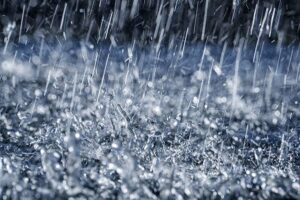
There is still a small ray of hope. Weather models suggest a low-pressure area may form over the southeast Arabian Sea around October 18, possibly moving toward the Kerala and Karnataka coasts. If the system strengthens and brings moderate rainfall, it could help wash away some of the pollutants from the air.
However, current forecasts for cities like Pune and Mumbai show only light drizzle or cloudy skies over the next few days. Unless there’s a stronger spell of rain, the smog and poor visibility could persist through and beyond the festival week.
With limited chances of rain and heavy use of fireworks expected, this Diwali could bring a thick layer of haze over many Indian cities. Experts suggest avoiding outdoor activities during peak pollution hours, using masks, and reducing firecracker use to help minimise emissions.
Disclaimer: This article is based on the Indian Institute of Tropical Meteorology’s forecast and weather data. Air quality conditions may change depending on local weather developments.